SAEDNEWS: The natural and normal structure of the breast is often lumpy and nodular. However, if you feel a lump in your breast that remains after your menstrual period, or if a breast lump grows or changes, you should see a doctor immediately.
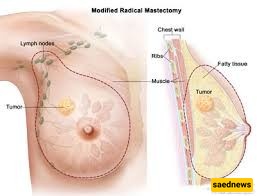
According to Saed News Sports Service and Rokna, breast cysts are a condition many women experience. Fortunately, these cysts are usually not dangerous or cancerous. Below is a complete overview of this condition.
Breast cysts are fluid-filled sacs that form inside the breast and are typically non-cancerous. Women may have one or multiple cysts in one or both breasts. These cysts are often round or oval-shaped with well-defined borders. They may feel like a small grape or a water-filled balloon, although sometimes they can feel slightly firm.
In most cases, breast cysts do not require treatment unless they become large, painful, or cause discomfort. In such situations, draining the fluid from the cyst can help relieve symptoms.
Breast lumps are common in women before menopause, typically between the ages of 35 and 50. However, they can occur at any age. They are also sometimes seen in postmenopausal women who are undergoing hormone therapy.
Breast cysts may appear in one or both breasts. Common symptoms include:
A soft, movable lump that is round or oval with distinct edges
Nipple discharge that may be clear, yellow, or light/dark brown
Breast pain or tenderness in the area of the lump
Increase in lump size and breast sensitivity before menstruation
Reduction in lump size and symptom improvement after menstruation
Having breast cysts does not increase the risk of breast cancer. However, their presence can sometimes make it more difficult to detect new lumps or other changes in breast tissue. It is important to become familiar with your normal breast condition to notice any changes early.
Breast tissue is normally lumpy or textured. However, if you feel a lump that remains after your menstrual cycle or notice a lump that grows or changes, you should consult a doctor immediately.
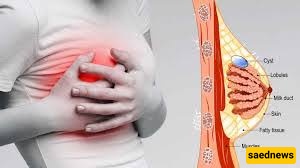
Each breast contains lobes of glandular tissue that resemble flower petals. These lobes are divided into smaller units called lobules, which produce milk during pregnancy and breastfeeding. The supporting tissue of the breast is made of fatty and fibrous connective tissue.
Breast cysts form due to fluid accumulation inside the breast glands. Their exact cause is not fully understood, but they are believed to be related to hormonal changes during the menstrual cycle. Some evidence suggests that higher estrogen levels may stimulate breast tissue and contribute to cyst formation.
Microcysts: Very small cysts that are usually only visible through imaging tests such as mammography or ultrasound.
Macrocysts: Larger cysts, typically 2.5 to 5 cm in size, that can be easily felt. These may press on surrounding tissue and cause pain or discomfort.
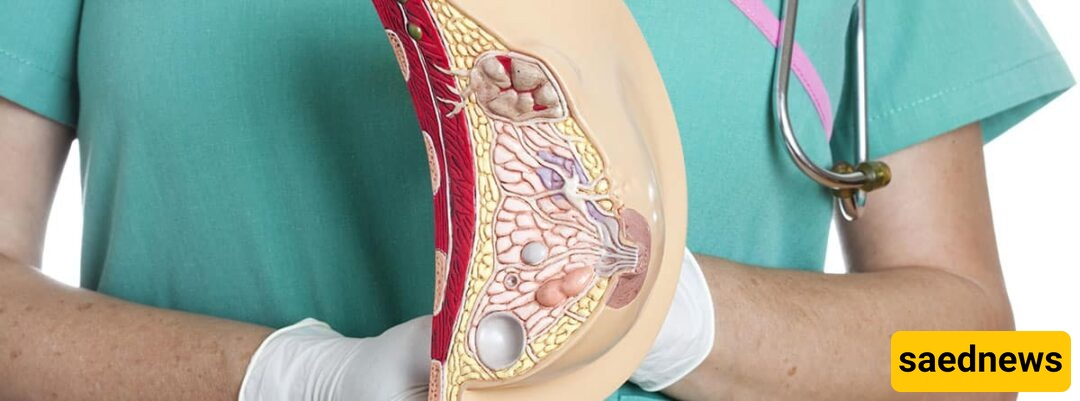
Several approaches may help reduce discomfort associated with breast cysts:
Wear a well-fitted, supportive bra to reduce pain and improve comfort
Use warm or cold compresses to relieve pain and swelling
Limit caffeine intake, as some women report symptom improvement after reducing it
Reduce salt intake, which may help decrease fluid retention and improve symptoms
Use over-the-counter pain relievers such as acetaminophen or anti-inflammatory drugs (e.g., ibuprofen or naproxen), but only after consulting a doctor
Breast cysts are generally benign and manageable, but medical evaluation is important when changes occur or symptoms persist.