SAEDNEWS: Ardabil is known among many Iranian tourists for its unique natural landscapes and pleasant climate, but few may know that one of the most fascinating historical sites in the country is located in this region.
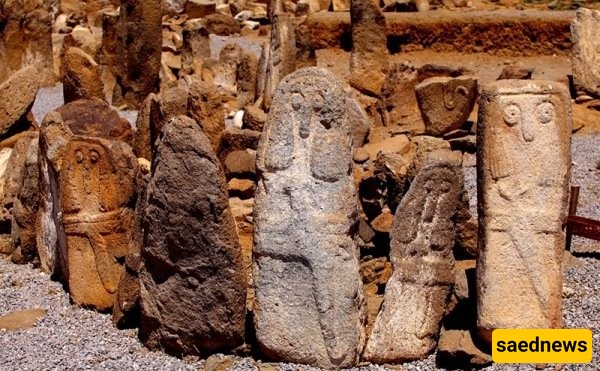
According to Saed News, as reported by Tebyan: The ancient area known as Shahr Yeri is located northwest of the village of Pirazmian, 31 kilometers east of Meshgin Shahr, beside the Qarasu River. The site covers an area of about 400 hectares and is divided into three main sections: a military fortress, a temple complex, and Qusha Tappeh. The fortress and temple are dated to around 1450 BCE, while Qusha Tappeh is believed to date back to the 7th millennium BCE.
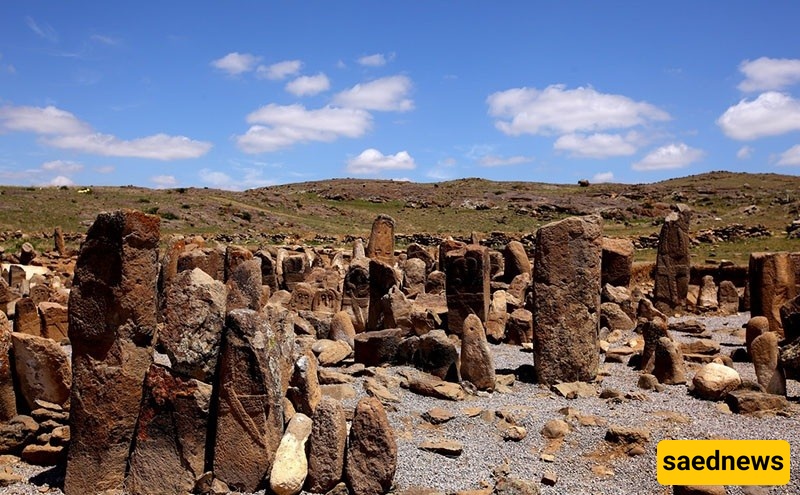
The Shahr Yeri site was first identified and studied in 1978 by a team led by Charles Burney. He suggested that some of the remains could date as far back as the third millennium BCE, including evidence from the Iron Age and grey, buff, and orange pottery traditions.
Burney dated most of the graves at the site to the second and first millennia BCE and even proposed that some could extend back to the third millennium BCE. However, he did not find clear evidence of Bronze Age settlement and remained cautious about this theory. Later excavations conducted by Dr. Nobari’s team in December 2003 uncovered valuable artifacts from the graves, which are now preserved in the Khalkhal Archaeological Museum.
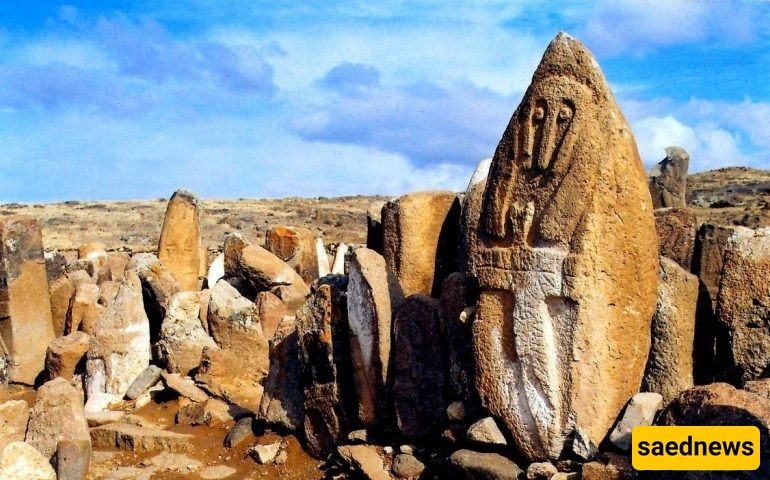
Some archaeologists estimate that the site could be as old as 9,000 years. They also believe that stone carvings depicting human figures from around 7,000 BCE exist in the area.
The Pirazmian archaeological landscape lies along the Qarasu River, where numerous engravings have been carved into surrounding rocks using precise strikes with hard stones, animal bones, and metal tools. These carvings include representations of wild goats, human figures in various poses, and other unidentified symbols, although they are relatively limited in number.
Nearby, there are also stone graves featuring uniform carvings of human faces without mouths. These tombstones vary in size from 40 centimeters to 2 meters, with more than one hundred examples identified. In total, around 450 graves have been discovered at the site, ranging in size from 3.2 to 8.2 meters.
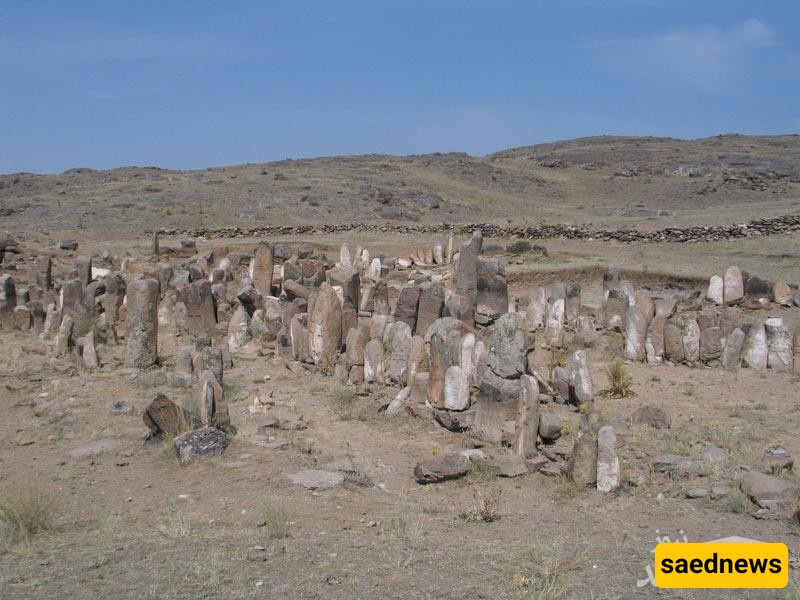
In addition to graves, the area includes a large stone-built defensive fortress using dry masonry techniques, ritual spaces, a cave, and multiple hills from different historical periods. Archaeologists have spent significant time studying these remains.
In recent years, natural forces have threatened the site. Strong winds and storms have damaged parts of the archaeological complex, including the destruction of sections of the temple and the collapse of protective shelters.
Despite earlier promises from cultural heritage authorities that the site would be registered nationally and internationally and receive proper protection, archaeological research was halted in 2006, and planned conservation structures were never fully implemented. Today, extreme winter cold and harsh weather conditions continue to pose serious risks to the preservation of the carved stones and ancient remains at Shahr Yeri.