Saed News: High cholesterol is one of the common health problems in today’s societies that, if not controlled, seriously affects cardiovascular health.
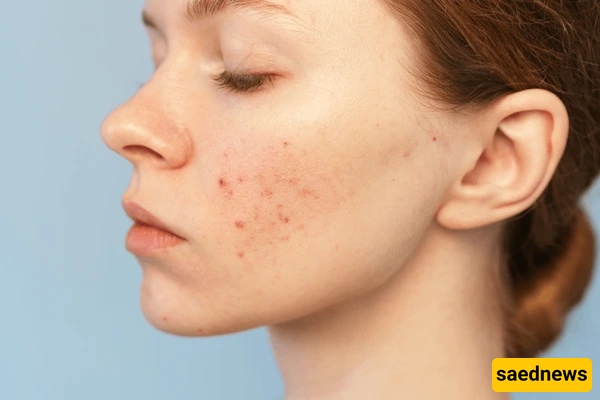
According to SAEDNEWS, this condition refers to an increase in cholesterol levels in the blood and can lead to the formation of fatty deposits in the walls of the arteries, blocking blood flow.
In most people, high cholesterol remains inactive and is not diagnosed until later in life when arterial blockage occurs.
In general, high cholesterol is not accompanied by any symptoms, but its level can be monitored through a simple blood test. However, some signs of high cholesterol can be identified through visible changes in the skin.
If you pay close attention to your health, you will notice that nature shows subtle signals that allow you to observe signs of high cholesterol on your skin.
One of these signs is the appearance of a net-like pattern in blue or purple on the skin. This usually appears in cold weather, but it can also be a sign of a condition called cholesterol embolism syndrome, which indicates blockage of blood arteries.
The next skin sign is eyelid fat or “xanthelasma.” It appears as yellowish-orange bumps around the corners of the eyes due to cholesterol deposits under the skin.
The third case is “xanthoma.” This sign is similar to xanthelasma, but these bumps can also appear on the back of the legs and palms. Controlling cholesterol can help eliminate these spots.
Psoriasis can also be a sign of high cholesterol. Several medical studies have pointed to a link between psoriasis and elevated cholesterol levels, also known as hyperlipidemia.
Another sign that may seem more ordinary is changes in skin color and increased skin dryness. High cholesterol levels can reduce blood flow under the skin, resulting in insufficient nutrients reaching skin cells and causing changes in skin color.
According to the Hindustan Times, in addition to the above, wounds on the foot or leg that do not heal quickly can also be a sign of this dangerous condition. In people with high cholesterol, these wounds may recur because there is not enough blood supply for healing.
If you are in a high-risk group, be sure to visit a general physician or internal medicine specialist for regular check-ups.