SAEDNEWS: Ashraf’s Intrigue Fuels Rumor of Soraya’s Dominance Over the Court and Exclusion of the Shah’s Mother and Sisters
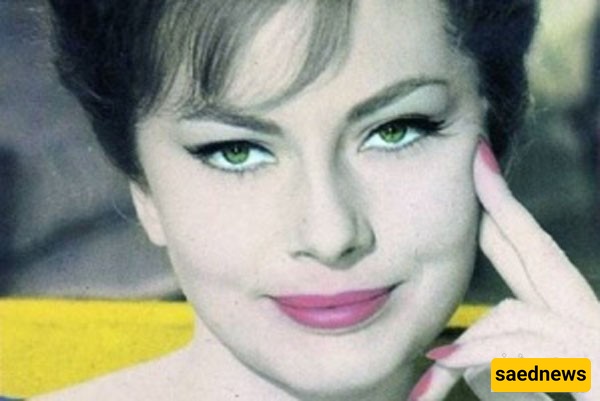
According to the social affairs service of Saed News Agency, quoting Simorgh, Soraya Esfandiary-Bakhtiari was the second wife of the Shah of Iran. Due to difficulties in becoming pregnant, she was forced to divorce Mohammad Reza Pahlavi.
Soraya Esfandiary-Bakhtiari, the second wife of Mohammad Reza Shah, was born on July 1, 1932, at the English Missionary Hospital in Isfahan. Her father, Khalil, was the son of Esfandiar Khan, Sardar Asad Bakhtiari, and her mother was a German woman named Eva Karl. After Soraya’s birth, the family moved to Berlin due to poor sanitary conditions in Iran, but returned to Isfahan in 1937.
Soraya first studied German at the “Madame Elli Mental” school and learned French from a private tutor. She completed her primary education at Behesht Aein School in Isfahan and studied there until the fourth year of secondary school. In 1947, the Bakhtiari family migrated to Switzerland.
She grew up between two extreme cultural influences—tribal traditions and European lifestyle. This cultural duality is said to have shaped her nervous and anxious psychological state. It is suggested that this led her to present a strong outward image while feeling emotionally unstable inside. Her early interest in acting and her marriage to a 32-year-old Shah at the age of 18 are presented as reflections of this psychological condition.
The story of Soraya’s introduction to the Pahlavi family began when her aunt, Forough Zafar, showed her photographs to the royal family. Soraya was invited to Tehran and married Mohammad Reza Pahlavi on February 12, 1951, becoming Queen of Iran. The marriage also had political dimensions, linked to resolving tensions with the Bakhtiari tribe and its influence in the oil-rich southern regions of Iran.
Her entry into the royal court coincided with major political events, including the nationalization of the oil industry under Prime Minister Mohammad Mossadegh, his overthrow in the 1953 coup, and the Shah and Soraya’s return after leaving Iran.
During a trip to Italy, Soraya met a journalist named Patricia Lari, who was allegedly a political agent tasked with relaying American messages to the Shah during the coup against Mossadegh. According to CIA documents and Soraya’s own statements, she encouraged the Shah to remove Mossadegh and sign the decree appointing General Zahedi as Prime Minister. Alongside politics, Soraya also engaged in charitable work by establishing a welfare organization.
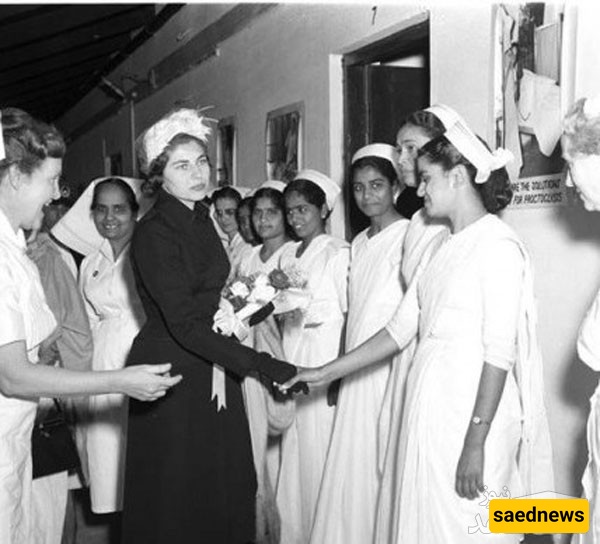
In 1954, Mohammad Reza’s full brother Alireza died in a plane crash. After his death and political pressure from Queen Mother Tadj ol-Molouk and Princess Ashraf, the issue of succession became serious, as Soraya had not given birth to an heir.
She underwent medical treatments in Europe and the United States, but none were successful.
In 1957, rumors spread that Soraya was giving undue influence to the Bakhtiari family at court, increasing tensions with the royal family. Discussions about succession intensified. Soraya suggested either the Shah step down or appoint a half-brother as heir, but the Shah refused.
Later, the Shah proposed taking another wife solely to have children, which Soraya rejected and declared her decision to separate.
In February 1958, Soraya left for Switzerland, and on March 14, 1958, their divorce was officially announced.
The divorce agreement included significant financial and honorary terms, such as payment of double her dowry, a monthly pension, the title of royal princess, and diplomatic passport privileges. Mohammad Reza Shah also allocated her substantial wealth and monthly income.
After the divorce, Soraya lived a luxurious and traveling lifestyle. She briefly pursued acting, appearing in the film Three Faces of a Woman. She was passionate about the Persian language and literature, especially the Rubaiyat of Omar Khayyam, and wrote several works, the most famous being My Story and The Palace of Solitude.
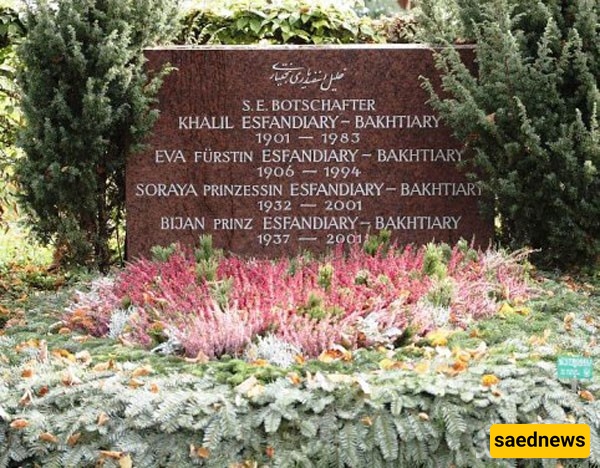
Soraya, who later converted to Christianity, died on November 4, 2001, in her luxury apartment due to cardiac arrest. She was buried in Munich in the family tomb of the Esfandiari family.
She reportedly wished for her belongings to be auctioned and the proceeds donated to French orphan charities, the French Red Cross, and organizations caring for stray dogs.