SAEDNEWS: A treasure trove of around 1,000 silver coins discovered in 2019 beneath the floor of a church in northeastern Poland is set to be exhibited at the Archdiocesan Museum of Warmia in the city of Olsztyn. The coins will be displayed alongside a glazed ceramic cup in which they were originally buried.
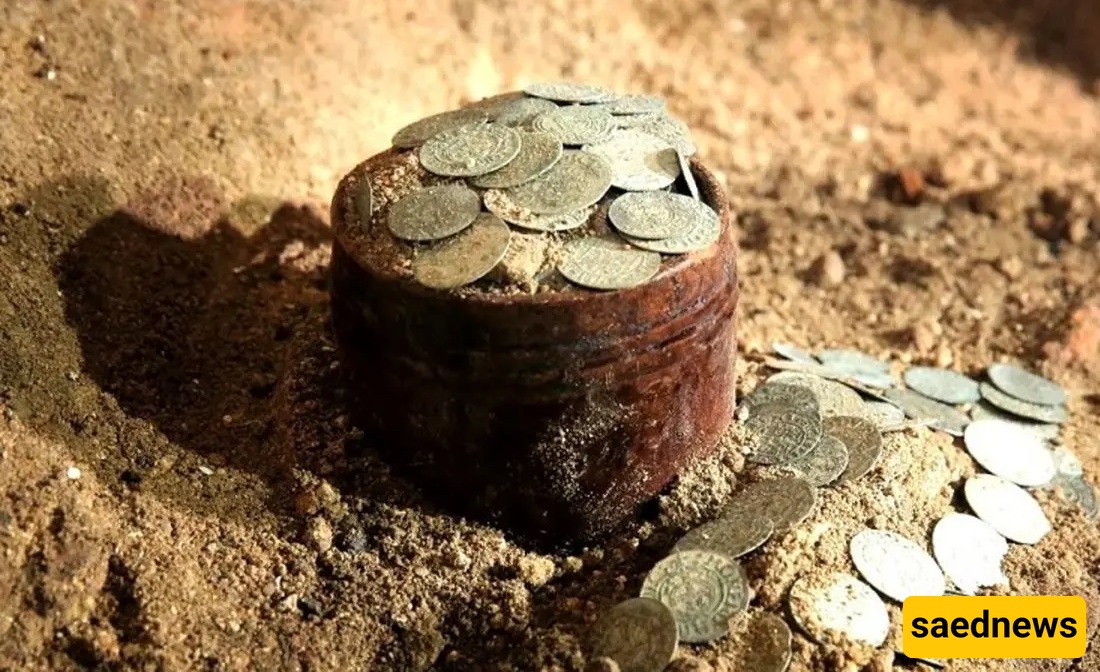
According to the Society desk of Saed News, the coins date back to the late 16th and early 17th centuries and include silver groschen from the reign of King Sigismund III, shillings from the Duchy of Prussia, as well as coins from Riga and Lithuania.
The oldest coins trace back to the reign of King John I Albert, while the most recent ones are dated 1628.
At the time the treasure was buried, the church functioned as a monastery, and it is likely that the monks themselves concealed it. The town of Barczewo was, during that period, a site of military conflicts among various powers, including during the Polish–Swedish wars. Such instability may explain why the coins were hidden.
Although the monastery survived fires and wars, diseases associated with wartime conditions claimed the lives of many monks.
According to researchers, the small face value of the coins suggests they were gradually collected over time, likely as alms. The hoard may have formed gradually starting in the 1620s or within a shorter period between 1625 and 1628. After 1628, no additional coins were added, which is likely connected to the death of the person responsible for collecting them.
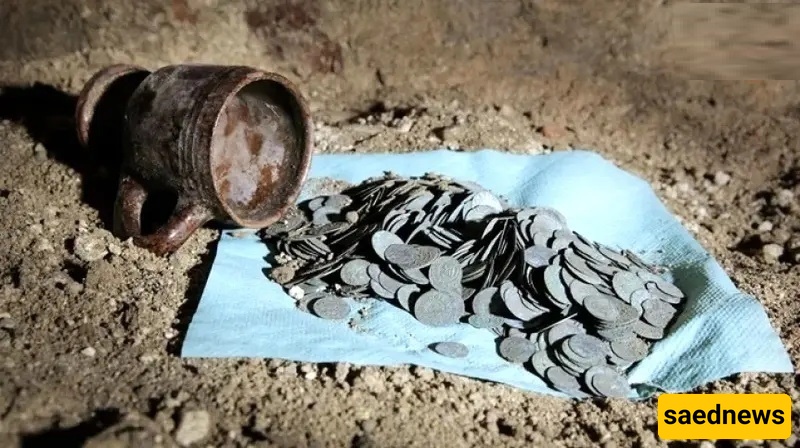
Under the strict rules of the Franciscan order, this money did not belong to any individual but was considered a communal collection of charitable donations. The total value of the coins is estimated at around 815 groschen—enough to cover the food expenses of an adult man for approximately 242 to 243 days.
Researchers suggest that the individual managing the coins was likely alive in 1628 and may have died by 1629 at the latest. Among several candidates, the most probable figure identified is Adrian of Kaunas, who served as the monastery’s administrator.