SAEDNEWS: Archaeologists Discover 1,100-Year-Old Graves in Hungary Belonging to a Father and His Sons Buried with Golden Weapons
According to a report from the Saed News analytical news service, the soils of Hungary have, after centuries of silence, uncovered the secret of a military and family tragedy. Archaeologists have discovered the remains of three elite warriors who were buried around 1,100 years ago with full ceremonial honors, along with decorated weapons and their horses.
This discovery is not merely an ordinary archaeological find. Genetic testing shows that the three individuals were biologically related and were most likely a father and his two teenage sons, laid to rest together.
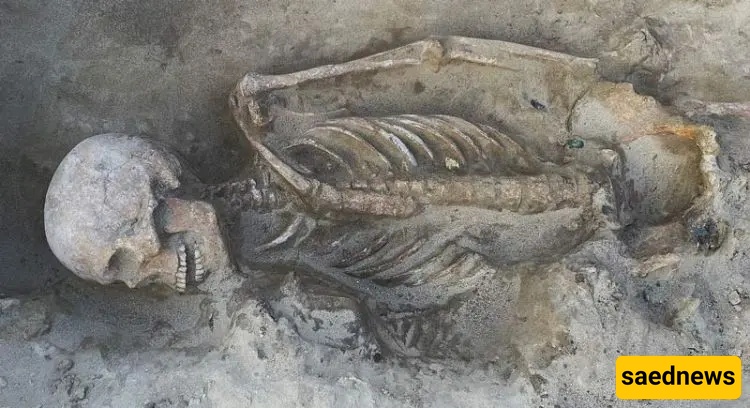
The graves were found near the village of Akasztó, located about 92 kilometers from Budapest. The excavation was carried out by a team of volunteers and experts from the Katona József Museum. Dating results indicate that the individuals were buried in the 920s or 930s AD.
DNA analysis provides a detailed picture of their relationships. The eldest individual was a man aged approximately 30 to 35. Alongside him were two adolescents, one aged 17–18 and the other 15–16.
Genetic results confirm that all three shared a paternal lineage. This suggests they were likely a father and two sons, or possibly two brothers and a nephew, all members of a high-ranking military unit.
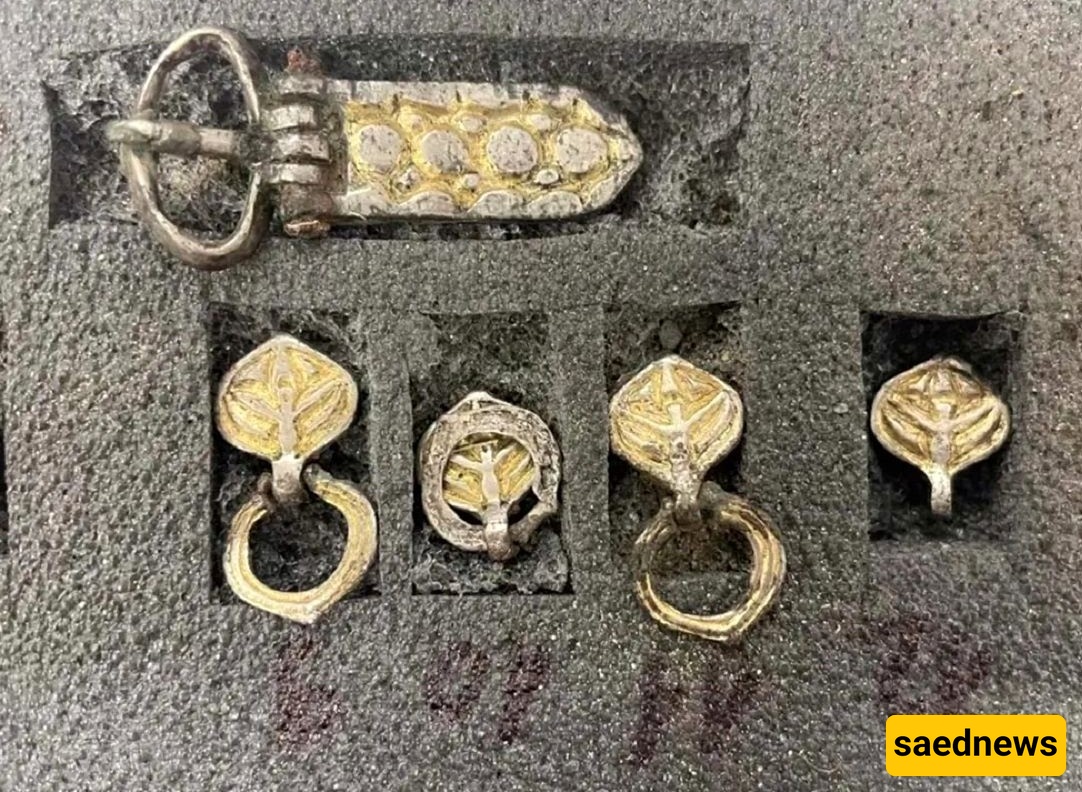
What makes these graves especially remarkable are the valuable objects buried with the bodies. The 17-year-old warrior wore a belt decorated with silver-gilt ornaments and carried a special leather pouch known as a sabretache with a silver plate.
His left hand was adorned with a gold ring set with a blue glass stone, and silver anklets were placed on his legs. Such luxury clearly indicates their extremely high social status.
The 15-year-old was buried with a quiver containing seven arrows and a bow. Interestingly, the bow’s ends and grip were covered with antler plates, suggesting a custom-made and expensive weapon.
A total of 81 coins were found in the graves, most of them originating from northern Italy and the reign of King Berengar, who ruled parts of Italy between 888 and 924 AD.
Archaeologists believe these coins were war spoils or souvenirs from military campaigns. At the time, the Hungarians had formed their kingdom, and their warriors frequently participated in military expeditions into northern Italy.
Isotopic analysis of the bones also shows that their diet was rich in animal protein, confirming their status as members of a military elite. Although the exact cause of their deaths remains unknown, the elaborate burial clearly reflects their high rank and honor in society at the time.