SAEDNEWS: Civilizations don’t vanish from threats alone. A nation rooted in millennia of culture, language, and memory endures. Iran has faced history’s storms and risen from the ashes, stronger each time.
According to SaedNews , war casts its shadow first on the human spirit, long before it reaches the land and walls. Even before the sound of an explosion is heard, words like “attack,” “threat,” and “destruction” circulate in society, targeting the hearts of millions of ordinary people. For them, war is not just the sound of weapons; it is living under the constant anxiety that could ignite at any moment with a single piece of news. An anxiety no one may speak aloud, yet it flows through silent homes and worried glances.
Among all, the heaviest burden of this anxiety falls on fathers and mothers. Parents who may have been brave in their own lives, who may have faced life’s hardships for years, feel their hearts tremble a thousand times over when their children are involved. The instinct to protect a child is one of the oldest and strongest human drives. In every home, parents hide their worries, smile, and try to let their children see the world as safe, bright, and trustworthy.
Yet alongside this human truth, there is an even larger reality—one that rises from history itself. A nation that has written its story through hardship does not vanish under threat.
Those who speak today of “destroying a civilization” may not truly understand what civilization is. It is not merely a collection of buildings, roads, and infrastructure that can be consumed by fire. Civilization lives in the collective memory of a people—in a culture passed down through generations, in a language preserved over centuries, in poems, stories, beliefs, and in the people who never forget who they are, even in the hardest moments.
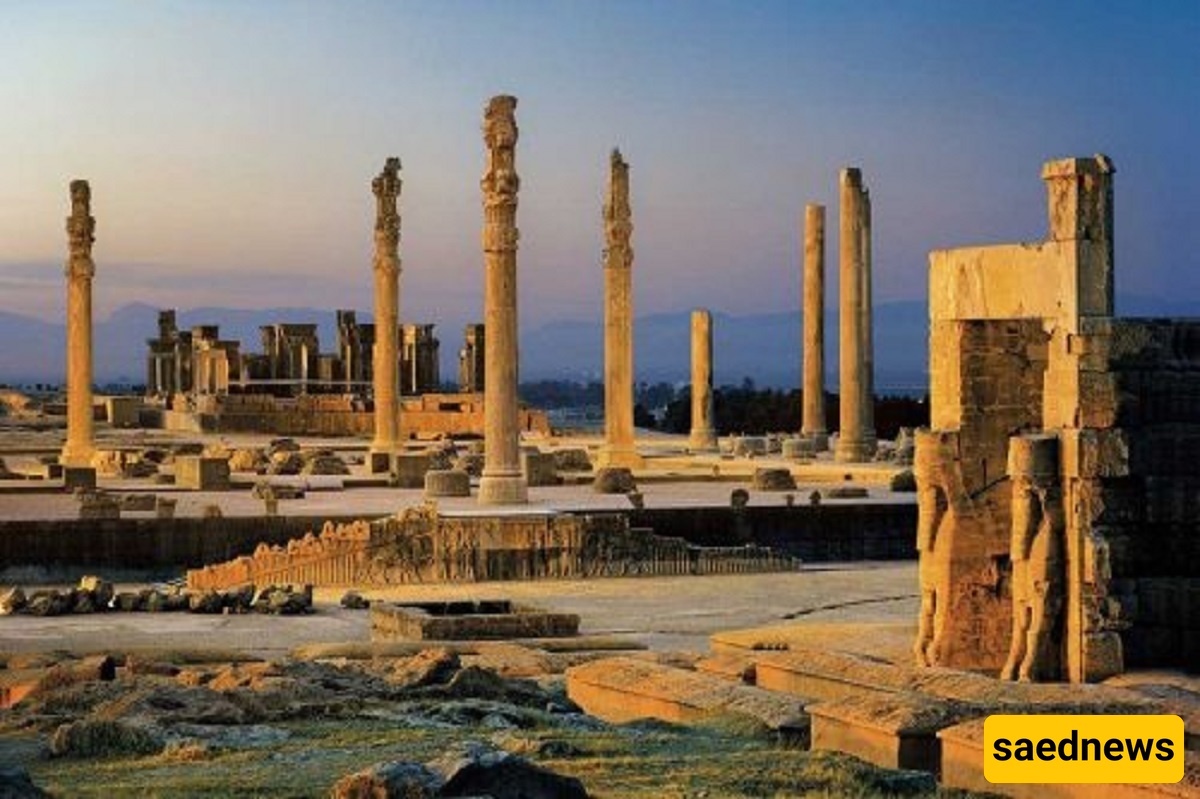
Iranian civilization has flowed for thousands of years, like a river cutting through history. This land has faced repeated attacks, the fire of war has touched it many times, yet it has never been erased from the world’s memory. Storms from outside may have damaged cities, bitter days may have come to the people, but from that same soil, life has always risen again.
The history of Iran is a history of resilience. It is the story of a people who have repeatedly risen from ruins, rebuilt cities, revived culture, and planted hope in the hearts of future generations. No nation reaches history without suffering, and Iran is one of those nations that has transformed hardship into strength and creation.
Iranians, like all humans, know fear—it is part of human nature. But what has set this nation apart over centuries is the ability to rise after every storm. Fear may linger for a moment in the heart, but the will to continue, to build, and to keep life alive has always been stronger.
For the people of Iran, this land is not just a point on a map. It is part of their identity, memory, and soul. Mountains, plains, cities, and villages are not merely geography—they are part of the story of a nation, and people so deeply connected to their land do not break easily.
Some may speak from afar about “the destruction of a civilization,” yet history has repeatedly shown that Iranian civilization cannot be extinguished by threats. This land has burned many times, yet each time it has risen from its ashes like a phoenix—stronger, wiser, and more determined than before.
Iran’s true strength lies not in its borders or cities, but in the hearts of its people, who stand shoulder to shoulder in difficult times. People who have learned to keep the light of hope burning even in the darkest nights.
Iran cannot be measured only by buildings; it exists in the spirit of a people who have stood for thousands of years, endured suffering, yet never abandoned the path forward. As long as this spirit lives in the hearts of its people, no threat will ever have the power to extinguish it.