SAEDNEWS: Researchers exploring caves for wildlife in 2022 and 2023 encountered a bizarre sight: seven cheetahs naturally mummified across five caves near the city of Arar in Saudi Arabia.
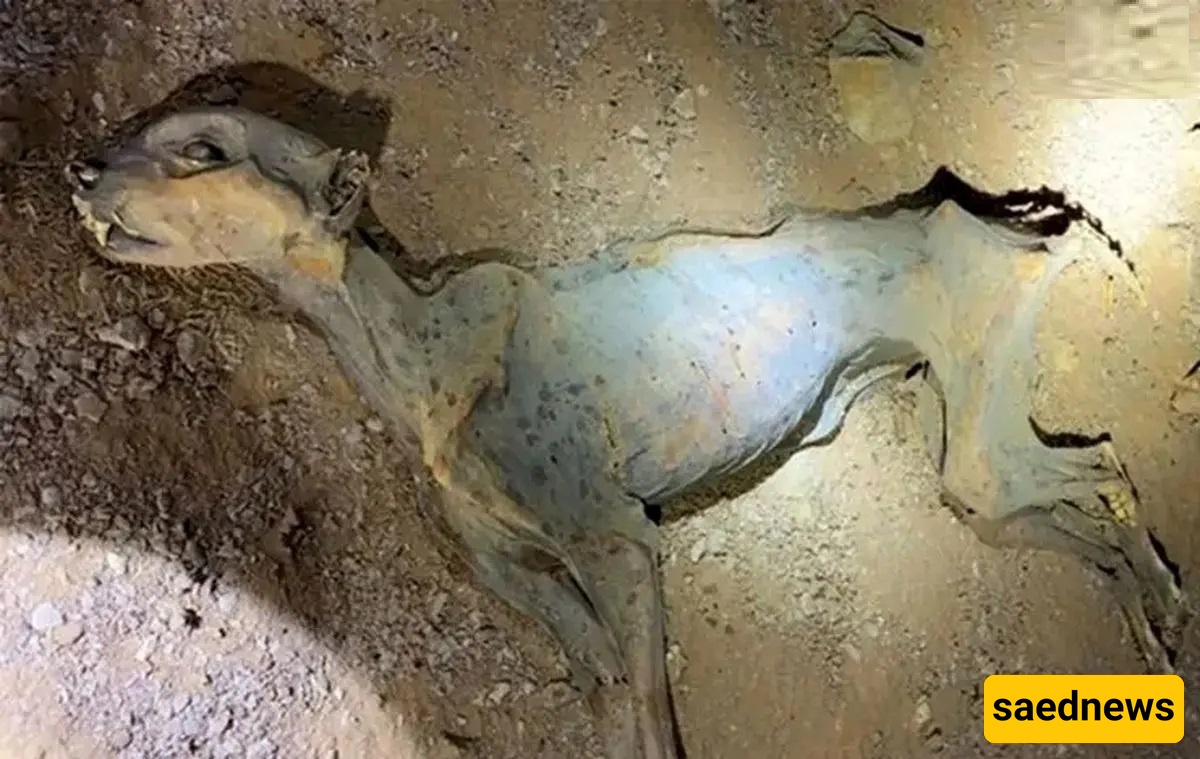
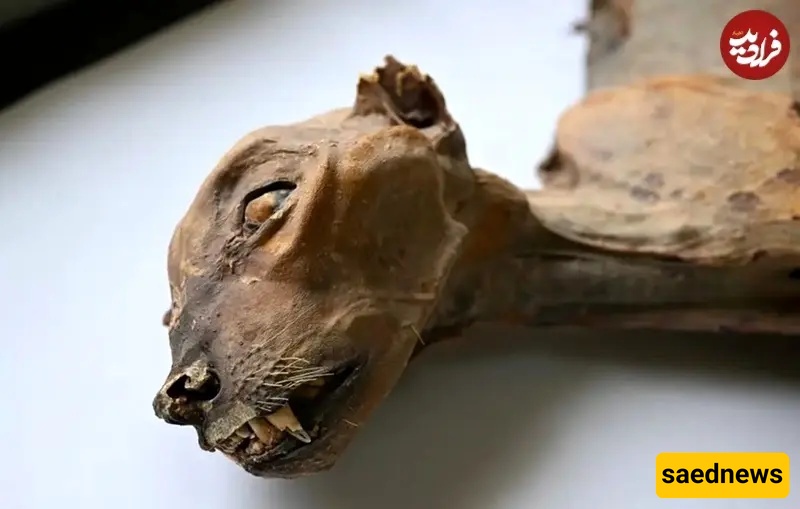
According to Saed News’ Society Desk, when scientists from the National Center for Wildlife in Saudi Arabia were surveying caves for wildlife in 2022 and 2023, they encountered a remarkable discovery: seven cheetahs naturally mummified in five caves near the northern city of Arar. The remains were largely intact, with soft tissue and skeletons well-preserved. DNA analysis of three of these mummies has now revealed insights that researchers say could aid in reintroducing cheetahs to the Arabian Peninsula.
Cheetahs once roamed wide areas of Africa and parts of Asia, but today they occupy only about 9 percent of their historic range. The Asiatic cheetah, Acinonyx jubatus venaticus, was previously thought to be the only subspecies to have inhabited Saudi Arabia. This subspecies is now classified as “critically endangered,” with a small surviving population in Iran’s wilds. Across the Arabian Peninsula, cheetahs were considered locally extinct by the 1970s.
However, when researchers analyzed three of the mummies, they found that two of the older specimens were genetically closer to Acinonyx jubatus hecki, known as the Northwest African cheetah.
These findings suggest that at least two cheetah subspecies once lived on the Arabian Peninsula. This discovery could inform reintroduction efforts, as scientists now have a clearer understanding of which lineages historically thrived in the region.
Ahmed Albuq, the study’s lead author and an ecologist, said, “This is astonishing. This is the first documented case of natural mummification in cheetahs and the first physical evidence of cheetah subspecies in the Arabian Peninsula. Moreover, the use of caves by cheetahs is extremely unusual, making both the discovery and its context entirely unexpected.”
Researchers are investigating why cheetahs used these caves, and they do not believe it was random or solely for isolation near the end of life. Still, Albuq notes that the dry cave environment likely played a key role in preserving the mummies.
Alongside the seven mummified cheetahs, researchers found skeletal remains of 54 other felids in the caves. The team dated five of these remains, with the oldest estimated at around 4,000 years old. The two analyzed cheetah mummies are between 130 and 1,870 years old. Scientists plan to continue examining the mummies and other skeletal fragments to identify additional subspecies.
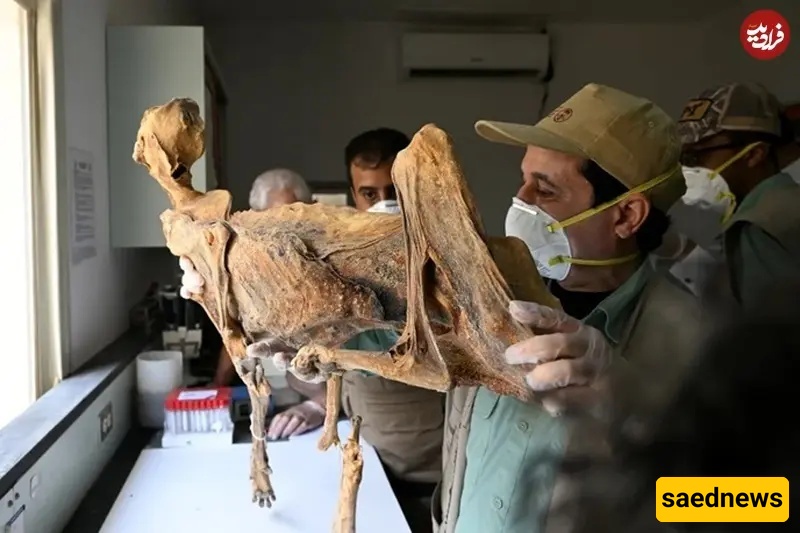
Albuq explained, “This discovery is significant because it represents the easternmost record of an African cheetah subspecies and confirms that northern Saudi Arabia hosted multiple cheetah lineages over millennia. Overall, these findings refine our understanding of cheetahs’ use of the landscape, clarify the timeline of their regional extirpation, and provide greater insight into the historical subspecies present in the area.”
The remains include both juvenile and adult animals, suggesting that cheetahs were not merely passing through—they reproduced and thrived in these landscapes. In other words, these areas once supported fully functioning cheetah populations, particularly alongside prey species such as gazelles, which are now being successfully reintroduced in Saudi Arabia.
The cheetah remains in the five caves were largely intact, with soft tissue and skeletons well-preserved.
Albuq notes that wildlife populations across the Arabian Peninsula had previously declined due to human activities such as overhunting and habitat conversion. Today, however, with extensive protected areas across the Middle East, many major threats—habitat destruction, human disturbance, and competition with lions—have diminished. As a result, Albuq believes Saudi Arabia is well-positioned to support the revival of a species that once roamed widely across the region.