SAEDNEWS: Al Jazeera reported that the countries of the Gulf Cooperation Council, in light of recent security and political developments in the region, are seeking to open a new path of understanding with Iran.
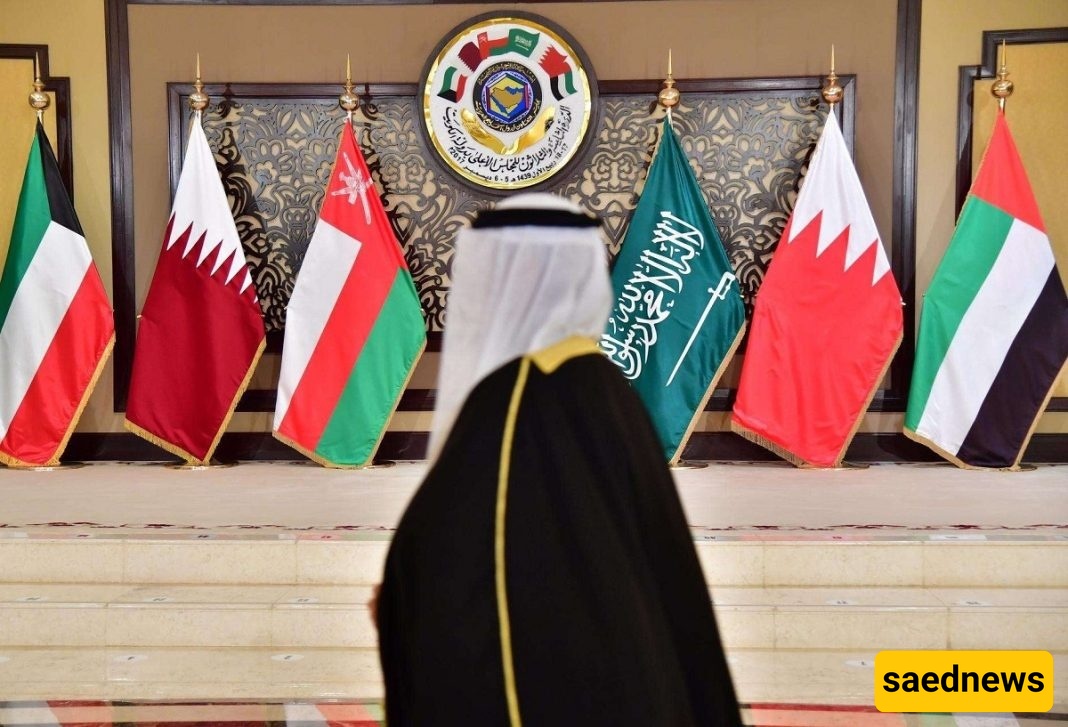
According to a political report from the Saed News Agency, citing ISNA, there is growing evidence that Gulf Cooperation Council (GCC) countries, in light of recent security and political developments following the latest regional tensions, are seeking to open a new path of understanding with Iran. Assessments suggest that these countries are increasingly committed to reducing regional tensions and avoiding any direct confrontation.
Saleh Al-Mutairi, head of the Al-Madar Center for Political Studies, believes that discussions about the possibility of reaching an understanding between GCC states and Iran remain tied to the trajectory of relations between Tehran and Washington. In particular, he questions whether the current ceasefire will lead to a broader framework agreement or a lasting truce.
Al-Mutairi told Al Jazeera that GCC countries have historically been known for respecting the principles of good neighborliness and international law, and that they understand the importance of geopolitical realities and the need to maintain regional stability.
On the other hand, Mahjoob Al-Zweiri, a West Asia political analyst, argues that the timing of dialogue on potential understandings between GCC states and Iran carries significant political implications, especially amid escalating regional crises and pressures on GCC countries to become involved alongside the United States and Israel.
Al-Zweiri explained that GCC states have chosen to distance themselves from the conflict and avoid being drawn into war, based on the belief that regional stability requires maintaining communication channels with Iran as an important neighbor whose geopolitical reality cannot be ignored.
He added that maritime security in the Strait of Hormuz and shared economic interests are key motivations for GCC states to pursue understanding with Tehran. He emphasized the need for a regional cooperation framework that reduces dependence on external powers and establishes new forms of security and political coordination.
Analysts believe these recent statements—particularly amid concerns over the consequences of any escalation for energy security, shipping routes, and the economies of GCC countries—indicate a broader move toward containing tensions with Iran through dialogue and regional understanding.