SAEDNEWS: Whispers of Renewed Iran–U.S. Tensions Rise Again as Kayhan Sees Confrontation as Likely
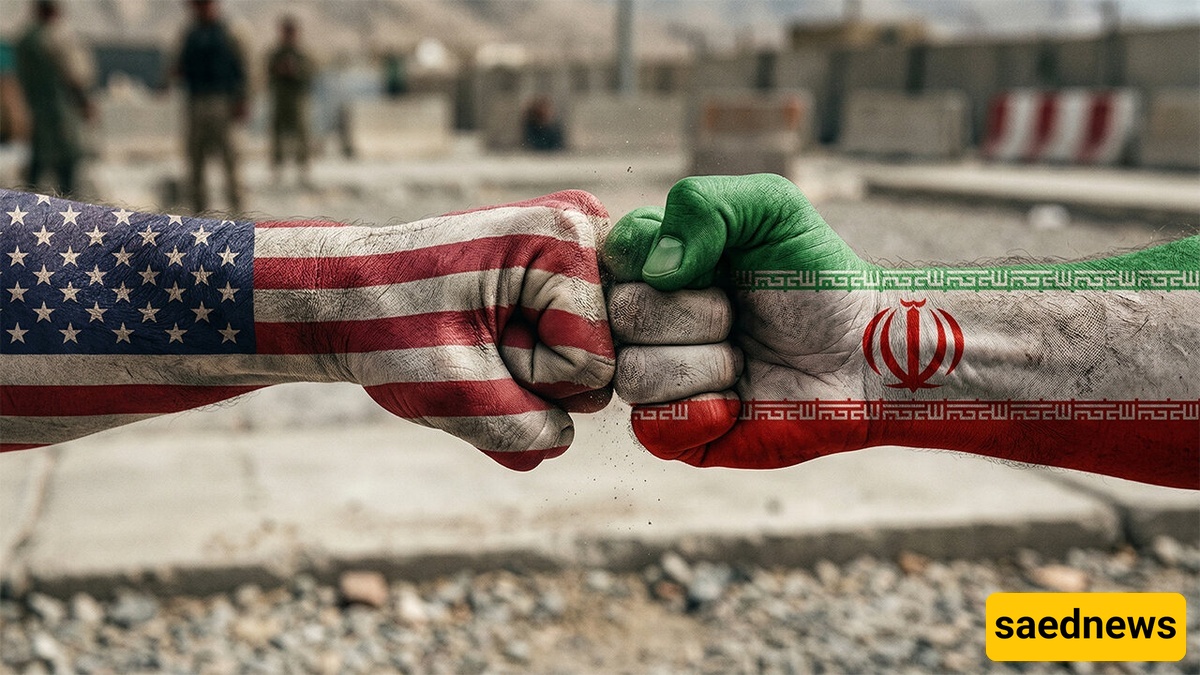
According to Saed News Agency’s political service, the newspaper Kayhan raises the question of whether, given that the objectives of the imposed wars of June and Ramadan were not achieved, Israel and the United States will enter a new war or not.
To answer this question, several key points must be considered:
First, the continuation of the conditions that led to the outbreak of the previous two wars can justify the possibility of a new war. Second, the persistence of the factors that caused the failure of the aggressor forces in those two wars makes their repetition in the near future irrational. Third, the continued existence of adversaries who previously engaged in ineffective and self-destructive actions makes the repetition of such decisions and behavior possible.
These three propositions suggest that the possibility of a renewed war remains uncertain, while at the same time indicating that its likelihood in the not-too-distant future is relatively high.
But if war were to resume, which side would have the upper hand?
Unlike the previous question, this one is easier to answer—and why?
Re-establishing unity across different fronts after two defeats would be extremely difficult for the enemy. Deep divisions within the US Congress and American society—reflected in the evenly split pro- and anti-war votes in Congress on Friday—as well as signs of political fragmentation in the UAE and the potential weakening of the state structure under the name “United Arab Emirates,” suggest that Israeli, American, and Arab fronts would face major difficulties in re-coordinating. Meanwhile, operational unity on the so-called “resistance front” would, if a new war begins, be almost certain, and the adversary is aware of this.
The outcome of the Ramadan war led to a significant increase in national and systemic self-confidence in Iran. The Iranian government has managed internal governance effectively, its military has managed the battlefield efficiently, and the public has handled daily life and social stability well. Therefore, although Iran seeks a permanent end to war, it is also prepared to face it again to achieve further levels of victory.
The Israeli regime understands that it cannot enter a direct war with Iran without US involvement. On the other hand, the United States has likely realized that any war with Iran would not be a short, limited, or few-day conflict. Therefore, a renewed decision for war would require far greater preparation than in the previous conflict. Current trends do not indicate such readiness, although it is not impossible.
If war resumes, it would again become a war of attrition. In such a scenario, the side with stronger and more complete ground presence would have the advantage.
The Ramadan war strengthened Iran’s internal and external position while weakening the United States’ global position. If war resumes, these opposing trends are likely to accelerate further.