SAEDNEWS: Following the presentation of Iran’s 14-point proposal, which was conveyed to the American side through a Pakistani mediator, Araghchi held extensive consultations with several of his counterparts and briefed them on Iran’s initiatives to end the imposed war by the United States and Israel and to establish peace in the region.
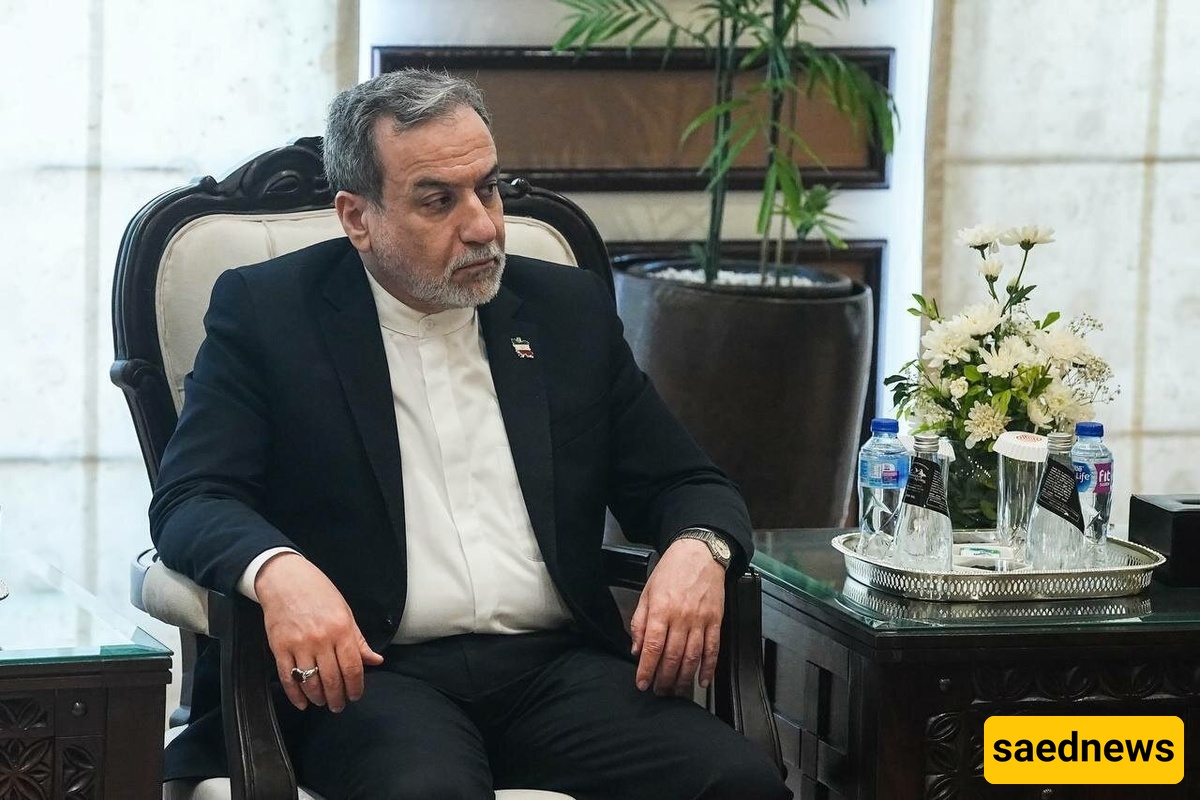
According to the politics service of Saed News Agency, Fars News Agency reported that on Tuesday, April 28, following visits by Iran’s Foreign Minister Seyed Abbas Araghchi to Pakistan, Oman, and Russia, CNN cited informed sources saying that the Pakistani mediator expects to receive a revised Iranian proposal in the coming days aimed at ending the war.
Since talks held in Islamabad—reportedly involving Mohammad Bagher Ghalibaf, Speaker of Iran’s Parliament, and U.S. Vice President JD Vance with Pakistani mediation—various proposals have been exchanged between the two sides, including a three-phase plan. More recently, media reports also described a phased agreement in which Iran would reopen the Strait of Hormuz in the first stage, while the U.S. would lift its maritime blockade, and both sides would formally end the war. In the second phase, nuclear negotiations would begin to build confidence regarding Iran’s nuclear program in exchange for sanctions relief.
After Araghchi’s recent visit to Islamabad, he described the trip on X as highly productive, stating that he had outlined Iran’s position on a practical and workable framework to permanently end the war against Iran, while questioning whether the United States truly has the political will to advance diplomacy.
Some media outlets later reported that Iran’s new proposal was transmitted to the United States via Pakistan on Thursday, May 1, and that CBS, citing Pakistani officials, confirmed the delivery of Iran’s revised response to recent U.S. conditions for ending the war.
According to informed sources, the 14-point response was drafted in reaction to a 9-point U.S. proposal. Iran’s plan reportedly emphasizes its core red lines while presenting a structured roadmap to end what it describes as an imposed war. The transfer was conducted through formal diplomatic channels following approval from relevant Iranian institutions.
Axios also reported, citing two informed sources, that Iran’s proposal includes a one-month deadline for negotiations aimed at reaching a final agreement with Washington.
The Iranian plan reportedly sets goals such as reopening the Strait of Hormuz, ending maritime blockades, and permanently stopping the conflict involving Iran and Lebanon. It also states that no new nuclear negotiations would begin unless such an agreement is reached.
Following the announcement of the proposal, Foreign Minister Araghchi held extensive phone consultations with regional counterparts, including the foreign ministers of Turkey, Egypt, Qatar, Saudi Arabia, Iraq, and Azerbaijan, informing them of Iran’s latest diplomatic initiative.
He also spoke with Oman’s Foreign Minister Badr bin Hamad Al Busaidi, as well as Russia’s Foreign Minister Sergey Lavrov, who reaffirmed Moscow’s readiness to assist in efforts to end the conflict and restore regional peace.
Araghchi also briefed European officials, including EU foreign policy chief Kaja Kallas, French Foreign Minister Jean-Noël Barrot, and Italian Foreign Minister Antonio Tajani. While EU officials expressed concern over continued regional instability and emphasized diplomatic solutions, Araghchi criticized what he described as unconstructive European positions on Iran’s nuclear issue.
Additionally, he held discussions with the foreign ministers of Japan and South Korea, as well as earlier consultations with officials from Switzerland, Poland, Kenya, India, and the Speaker of Lebanon’s Parliament, updating them on diplomatic developments aimed at ending the conflict.