SAEDNEWS: Amid Lack of Seriousness in Iran–US Talks, Two Internal and External Issues Risk Escalating Into a Crisis
According to the political desk of Saed News analytical website, former diplomat Kourosh Ahmadi wrote in Shargh:
Uncertainty and suspension have once again become the dominant condition in the country. Unemployment and the shutdown or reduced activity of economic enterprises, along with war-induced inflation, could—if the shadow of a third war persists and hopes for negotiations fade—create a vicious cycle of further unemployment waves and higher inflation. According to official statistics, the recession had already begun in the first quarter of 1404 (2025), before the 12-day war.
At the same time, due to the suspension of fertilizer and related raw material transit through the Strait of Hormuz, the world—especially the Global South—faces the risk of a serious food and financial crisis.
This note focuses on U.S. efforts to portray Iran as responsible for a global food and financial crisis in the Global South. Iranian officials should be aware that the problems arising from the closure of the Strait of Hormuz are less impactful for the United States and Europe and far more damaging for developing countries.
In the energy sector, Israel and the United States are not dependent on Gulf oil. Israel supplies its relatively modest oil and gas needs from Azerbaijan, Kazakhstan, and other sources, while the United States—after increasing shale oil production—is no longer dependent on Gulf oil.
In fact, the United States has benefited from recent oil and gas shortages. Its crude oil exports have risen to 5.48 million barrels per day. While in the same period last year U.S. exports were equivalent to 27 large oil tankers, this year 70 large tankers have loaded oil from the United States. U.S. oil exports to Asia have increased by 30% in the past two months, whereas Asian markets have traditionally depended on Gulf oil. Europe’s reliance on U.S. petroleum products—especially jet fuel and gas—is also rapidly increasing.
The food and financial sector is more complex. The halt in fertilizer exports and raw materials from the Gulf, combined with rising fuel prices used in agriculture, has increased the risk of inflation in coming months and is likely to push central banks toward higher interest rates to control it. Rising interest rates will, in turn, weaken investment and development prospects in both the West and the rest of the world. While American voters are traditionally sensitive to gasoline prices, and a 25–30% increase has already hurt Republicans in congressional elections, the larger issue remains inflation and rising interest rates.
However, the United States still has structural advantages compared to other regions. Only about 15% of fertilizers used in the U.S. depend on Gulf production, with the rest supplied domestically or from Canada and Trinidad. Additionally, many American farmers had already stockpiled essential inputs before the crisis. Still, because the fertilizer market is global, price increases will affect the U.S. as well.
The key difference is that while for the United States the issue is mainly inflation and interest rates, for much of the world—especially Asia and the Global South—it could manifest as a humanitarian and food security crisis. Weak domestic production, poor management, and lack of social safety nets in developing regions could worsen the impact.
At the same time, Donald Trump reportedly believes the U.S. is insulated from the crisis and may even benefit from it. He also considers any retreat without concessions on issues such as Iran’s 60% enriched uranium and zero enrichment demands as political suicide. As a result, in the absence of immediate economic pressure on the U.S. from the Strait of Hormuz closure, a U.S. withdrawal is unlikely. He is instead focused on domestic political considerations such as elections and the World Cup, viewing the political cost of retreat without gains from Iran as comparable to continuing conflict.
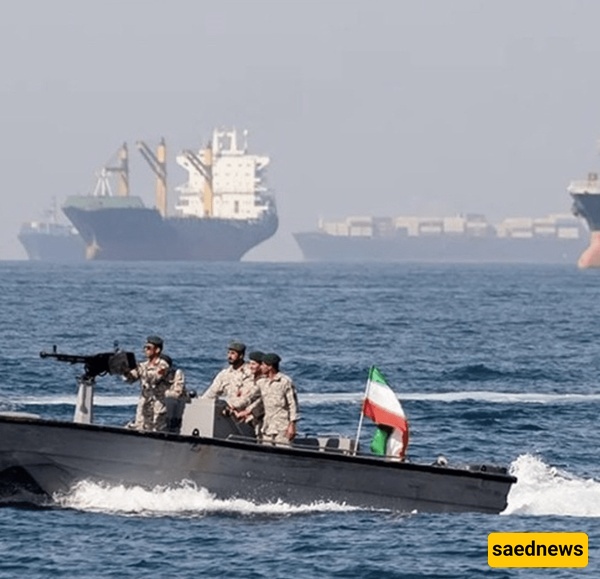
Whether Iranian officials fully recognize the domestic and international dimensions of this crisis is crucial. Iran had the right to take measures in the Strait of Hormuz in response to aggression, but prolonging such actions—like prolonged hostage situations or the Iran–Iraq war—would not ultimately serve Iran’s interests and would also significantly harm the Global South. After the brief optimism created by the Ghalibaf–Vance talks, it appears the situation has reverted to previous patterns. A combination of economic blockade, domestic economic pressures, and global consequences calls for new strategic thinking by Iranian authorities.