SAEDNEWS: Iran reinstated restrictions on vessel traffic through the Strait of Hormuz on Saturday, while Israel carried out strikes against targets in Lebanon—moves that undermined expectations of an imminent peace agreement previously suggested by U.S. President Donald Trump.
According to the political desk of Saed News, citing Bloomberg, the Islamic Republic has informed vessels that the waterway is closed to maritime traffic, and one supertanker has reportedly come under fire. This information was provided by shipowners in the المنطقه who requested anonymity due to security concerns.
Unrest in the Strait of Hormuz—through which roughly one-fifth of the world’s oil and liquefied natural gas passed before the outbreak of war between the United States and Israel against Iran—intensified just one day after Tehran had announced the waterway would be open to commercial shipping. Earlier in the day, Iran rejected a U.S. request to maintain the naval blockade until a deal is signed, calling it “piracy.”
There were also signs that the ceasefire in Lebanon—linked to Iran’s decision to allow passage through Hormuz—might be deteriorating. The Israeli military stated that it had targeted “saboteurs” approaching its forces in violation of the truce. These developments undermined growing optimism that the United States and Iran were close to a broad agreement to end a seven-week war that has left thousands dead and disrupted energy exports from the Persian Gulf.
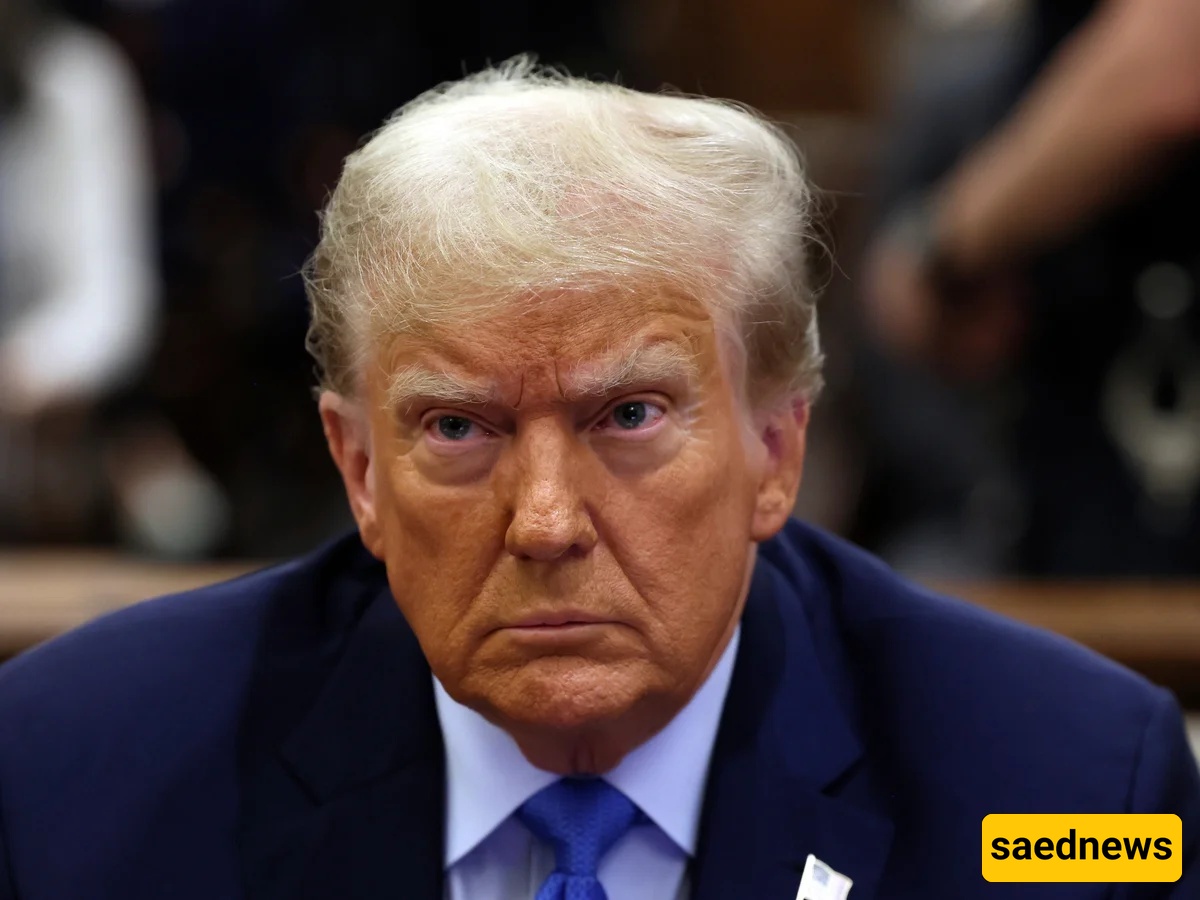
On Friday, President Trump said a deal with Iran could be imminent, adding that the U.S. would cooperate with Tehran to address the country’s “nuclear dust.”
However, Iranian Foreign Ministry spokesperson Esmail Baghaei told state television that enriched uranium is “as sacred to us as Iran’s soil and will not be transferred under any circumstances.”
This material—said by the U.S. to have been buried deep underground following last year’s bombing of Iranian nuclear facilities during a 12-day war—remains central to efforts to resolve the conflict, and its fate is a key issue in any broader agreement.
Hopes for a lasting peace had been rising, with Tehran stating on Friday that Hormuz was open to commercial shipping. But by Saturday, divisions re-emerged as Iran criticized the continued U.S. blockade.
Shortly afterward, the British Navy reported that a tanker had been approached by fast boats belonging to Iran’s Revolutionary Guard and then fired upon, though it added that the vessel and its crew were safe.
Ayatollah Mojtaba Khamenei, Iran’s new leader, said in a statement marking National Army Day that the country’s navy is “ready to make دشمنان taste the bitter flavor of new defeats.” It was unclear whether his remarks were a direct response to the Hormuz developments.
Several oil tankers turned back on Saturday after appearing to intend passage through the narrow waterway, though the reason for their change in course was not immediately clear.
Others, however, continued to take advantage of Friday’s announcement. The very large crude carrier FPMC C Lord, carrying oil from Qatar and Saudi Arabia, was moving south of Iran’s Larak Island toward the Gulf of Oman, declaring Fujairah in the UAE as its destination.
Additional tankers were also heading toward the strait. Earlier, three LNG carriers and one refined-products tanker—some under U.S. sanctions—had moved eastward into the Gulf of Oman, followed by a Pakistan-flagged product tanker. More LNG vessels were approaching the strait.
Bloomberg Economics analysts, including Jennifer Welch, wrote in a report: “While a deal appears within reach that could end the current round of U.S.–Iran hostilities and calm energy markets, it is unlikely to result in complete or lasting peace. Our assessment is that any agreement will be limited and fragile.”
In a phone interview on Friday, Trump said Iran had agreed to indefinitely suspend its nuclear program and that “most key points” in the talks had been finalized.
He also rejected claims that the U.S. would release frozen Iranian assets—one of Tehran’s main demands—which he has long opposed.
Speaking separately while returning to Washington from an event in Phoenix, Trump said of a potential deal: “I just think it’s something that should happen. It’s something that makes sense. And I think it will happen. We’ll see what happens. I think it would be very beneficial for everyone. The main thing is that Iran will not have a nuclear weapon.”
The president also warned that attacks on Iran could resume after the current ceasefire ends next week. “Maybe I won’t extend it. In that case, the blockade remains, and unfortunately we’ll have to start bombing again,” he said.
Trump’s remarks and Tehran’s announcement on Hormuz on Friday were the latest signs that both sides are working behind the scenes on an agreement, after the first round of direct talks in Pakistan last week failed to yield results.
The war has seen Iran retaliate against U.S. bases across the region and attack oil and gas infrastructure belonging to U.S. allies in the Persian Gulf, triggering a global energy crisis.
Oil, fuel, and natural gas prices fell amid hopes that recent developments would lead to the end of the war and safer energy transit through Hormuz. Brent crude dropped 9% on Friday to about $90 per barrel, erasing much of the gains recorded since the war began. Diesel prices in the U.S. and Europe also declined.
In a notable shift, physical oil prices also dropped significantly alongside news-driven futures. On Friday, dated Brent—the world’s most important physical oil benchmark—fell below $100 per barrel for the first time since March 11. Stocks continued to rise amid speculation that the war may soon end.
According to a report by Axios citing U.S. officials and sources familiar with the talks, one proposal under consideration involves releasing $20 billion in frozen Iranian assets in exchange for Tehran giving up its enriched uranium stockpile.
Trump rejected the idea in the phone interview, repeatedly answering “no” when asked whether he would release the funds.
Pakistani and U.S. officials said another round of negotiations is being considered. Asked whether he would travel to Pakistan to sign a deal, Trump replied: “Maybe.” Iran said it has not yet agreed to another round of talks.
Many traders and analysts remain skeptical about a rapid resumption of significant oil flows. The U.S. has stated that the blockade imposed earlier this week on vessels traveling to Iranian ports remains in place.
Trump also said that U.S.–Iran negotiations are “completely separate” from the Lebanon ceasefire. However, Israel’s military campaign in southern Lebanon against Hezbollah, an Iran-backed proxy, remains a major obstacle to a broader agreement.