SAEDNEWS: The Times of Israel, in an analytical note, has criticized Benjamin Netanyahu, Israel’s Prime Minister, for his unconditional trust in Donald Trump. It emphasizes that Trump’s recent statements suggesting a deal with Tehran is near represent the third blow Trump has delivered to Israel’s back in the past year.
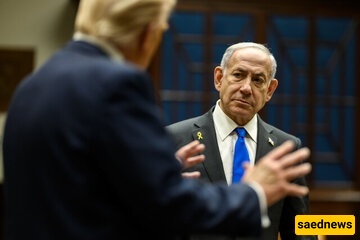
According to the political service of Saed News, The Times of Israel reported that recent developments in U.S.-Israel relations highlight a deepening rift and a troubling pattern for Israeli officials. While Benjamin Netanyahu and his cabinet repeatedly emphasized the “Trust the Plan” strategy over the past year and considered Donald Trump an unwavering ally against regional threats, recent events suggest that this trust has come at a high cost to Israel’s security.
For the third time in a year, Trump has left his longtime ally vulnerable at a critical moment—just as Israel was preparing for decisive strikes—by suddenly pivoting toward diplomacy and deals with Israel’s adversaries.
The report notes that the slogan “Trust the Plan,” once a source of reassurance in Israeli political circles, has now become a symbol of surprise and frustration.
Israelis had believed that, unlike his predecessors, Trump would not be fooled by Tehran’s delaying tactics. Yet the announcement of “constructive” negotiations to fully resolve hostilities and delay attacks on Iran’s energy infrastructure has sent shockwaves through Israel’s military analysts.
By claiming that regime change had effectively occurred with the removal of certain leaders, Trump paved the way for hasty diplomatic exits—moves that leave Israel alone in the face of Iran’s nuclear and missile threats.
Recent months have shown that, to ease domestic pressure and avoid the political costs of war, Trump is willing to accept agreements that disregard Israel’s interests. A clear example, The Times of Israel notes, was the surprising May agreement with Yemen’s Houthis, which secured only the safety of U.S. vessels while leaving Israel exposed to missile attacks from the group.
Similarly, at the end of the June conflict, Trump directly rebuked Netanyahu and halted the Israeli Air Force mid-operation to prevent further escalation. This pattern demonstrates that for Trump, ending conflicts at any cost takes precedence over advancing Israel’s strategic goals.
Israel now faces a crisis of uncertainty. Netanyahu, who once praised Trump’s courage and judgment, must confront the reality that his main ally may block a ground operation in Lebanon against Hezbollah. Pressure from U.S. regional partners to prevent an incursion, combined with Trump’s tendency to sidestep challenges or pass them to future administrations, has left Israel in a strategic limbo.
The primary cost of this trust has been Israel’s operational independence. By embracing Trump’s plan, Israel has effectively accepted U.S. command on the battlefield—even if this command comes at the expense of existential threats to its security.
Ultimately, the report emphasizes, the alliance with Trump has proven a double-edged sword, with its sharp edge now threatening Israel’s vital interests.