SAEDNEWS: Clear, radiant skin can be achieved by following a few simple habits at the start of the day. In this article, we explore the essentials of a complete morning skincare routine, from cleansing to applying sunscreen.

According to Saednews, Clear, radiant skin is something many people hope to achieve. In today’s busy world, factors such as air pollution, stress, and insufficient sleep can take a toll on our skin. That is why following a consistent and well-structured skincare routine can make a meaningful difference.
It may be surprising, but the difference between healthy, glowing skin and a dull, tired complexion often comes down to simple habits we practice every morning. A thoughtful morning routine not only helps maintain freshness but also prepares the skin for the rest of the day’s skincare and environmental challenges.
In this guide, we’ll walk through a practical morning skincare routine step by step. The goal is to help you build simple, consistent habits that support healthy-looking, smooth, and radiant skin.

While you sleep, your skin goes through its natural renewal process. Oil, sweat, and dead skin cells can accumulate on the surface. If they are not gently removed in the morning, they may contribute to clogged pores, breakouts, and a dull appearance.
During the day, your skin is also exposed to sunlight, air pollution, and environmental stressors. A good morning routine acts as a protective layer, helping prepare your skin for these daily challenges.
For anyone looking to maintain a clearer and healthier complexion, a morning skincare routine is more than a beauty habit. It is a simple way to support your skin’s long-term health.
Cleansing is the first step in a morning routine. Choose a cleanser according to your skin type—whether it is oily, dry, combination, or sensitive.
If you have oily or blemish-prone skin, a lightweight gel cleanser may be suitable. Dry skin generally benefits from a creamy cleanser that does not leave the skin feeling tight or stripped.
Use lukewarm water rather than hot water, as excessive heat can contribute to dryness and irritation. After cleansing, gently pat your face dry with a soft towel instead of rubbing the skin.
This simple step removes overnight buildup and creates a clean surface for the rest of your skincare products.
Toner can be a useful addition to a skincare routine, particularly when you choose a formula designed to hydrate or soothe the skin.
Hydrating ingredients such as hyaluronic acid can help the skin feel more comfortable and moisturized. Rather than relying on toners that contain high amounts of alcohol, people with dry or sensitive skin may prefer gentle, fragrance-free formulas.
Apply the toner with clean hands or a cotton pad, depending on the product’s instructions. Allow it to absorb before moving on to the next step.
A toner is not essential for everyone, but it can provide an additional layer of hydration and comfort.
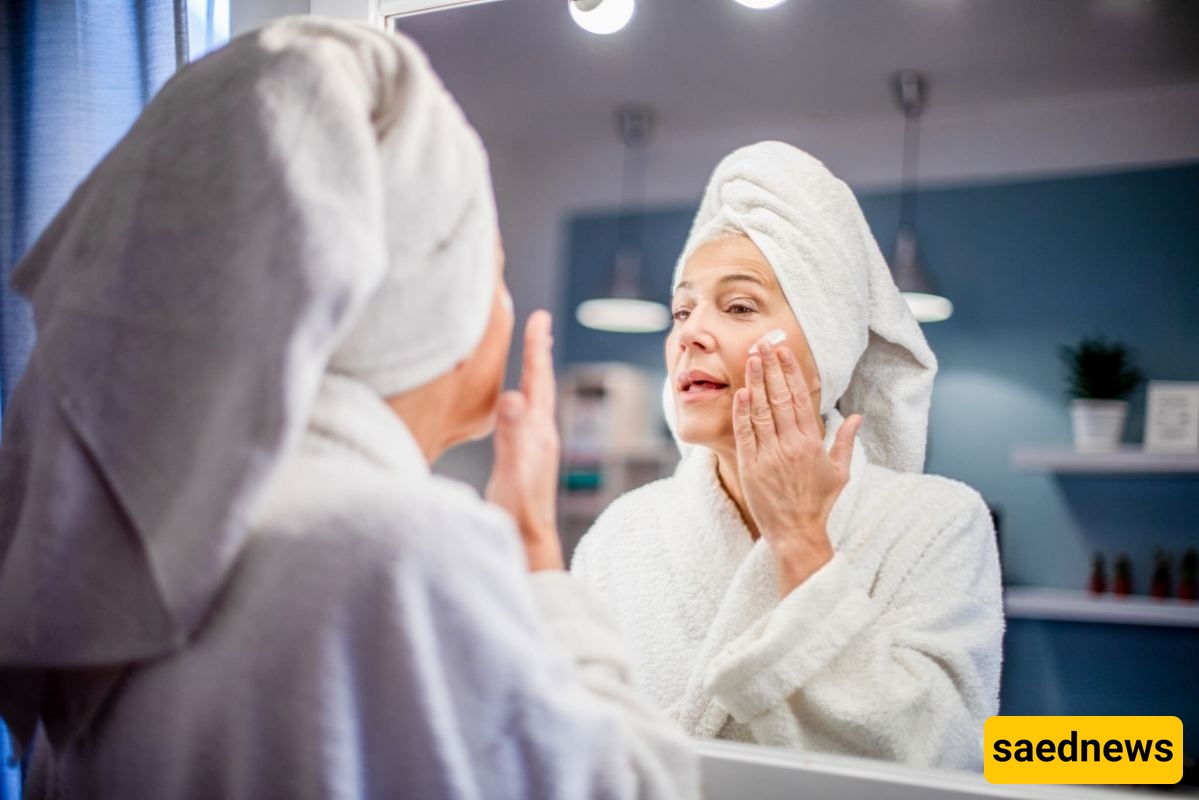
Vitamin C is a popular morning skincare ingredient because of its antioxidant properties. It can help protect the skin from environmental stress and support a brighter, more even-looking complexion.
With consistent use, vitamin C may also help improve the appearance of dark spots and support collagen production.
Apply a few drops to clean, dry skin after cleansing or toning, depending on your routine and the product instructions. Give it a moment to absorb before applying your moisturizer.
Vitamin C can complement sun protection, but it does not replace sunscreen. Daily sunscreen remains essential.
The skin around the eyes is particularly delicate and can show signs of tiredness more noticeably. Lack of sleep, stress, and dehydration can contribute to the appearance of puffiness and fine lines.
If you use an eye cream, apply a small amount with gentle tapping motions. Avoid rubbing or pulling the delicate skin.
Products containing caffeine are commonly used in morning routines to help temporarily improve the appearance of puffiness.
An eye cream is optional, but it can be a pleasant addition if it addresses a concern you specifically want to target.
Keeping the skin moisturized is essential for maintaining a comfortable, smooth-looking complexion. Even people with oily skin can benefit from a suitable moisturizer.
When choosing a daytime moisturizer, look for a texture that works well with your skin type. Lightweight, non-comedogenic formulas may be particularly comfortable for oily or acne-prone skin.
Moisturizers help reduce water loss from the skin and support its protective barrier. Applying moisturizer after your serum can also help maintain hydration throughout the day.
The key is consistency and choosing a formula that your skin tolerates well.

Sunscreen is the most important protective step in a morning skincare routine.
Ultraviolet radiation can contribute to premature skin aging, uneven pigmentation, and other forms of skin damage. Broad-spectrum sunscreen helps protect against both UVA and UVB radiation.
Choose a sunscreen with an SPF of at least 30 and apply it generously to exposed areas of the skin. Remember areas such as the neck and ears when appropriate.
If you spend extended periods outdoors, reapply according to the sunscreen’s instructions and your level of sun exposure.
Sunscreen is not simply an optional beauty product. It is a fundamental part of protecting your skin during the day.
Skincare products are only one part of maintaining a healthy complexion. Everyday lifestyle habits can also influence how your skin looks and feels.
Drinking enough fluids throughout the day supports overall health. Rather than focusing on a specific amount for everyone, drink regularly according to your individual needs and activity level.
Sleep gives your body time to recover and recharge. Maintaining a regular sleep schedule can help you feel and look more refreshed in the morning.
A varied diet containing fruits, vegetables, healthy fats, protein, and other nutrient-rich foods supports overall health, including the normal function of the skin.
Limiting excessive amounts of highly processed foods and added sugars may also be beneficial as part of a balanced lifestyle.

Regular physical activity supports healthy circulation and overall well-being. Exercise can also contribute to a healthy-looking complexion.
There is no single skincare routine that works perfectly for everyone. Your routine should reflect your skin’s needs and how it responds to different products.
Choose a gentle cleanser and lightweight, non-comedogenic moisturizer. Products containing salicylic acid may be useful for some people with blemish-prone skin, but they should be introduced carefully to avoid irritation.
Avoid unnecessarily heavy products if they make your skin feel greasy or congested.
Look for gentle, fragrance-free cleansers and moisturizers that support the skin barrier. Ingredients such as ceramides can be helpful for maintaining skin comfort and hydration.
Avoid overly harsh cleansing and introduce active ingredients gradually.
A gentle cleanser and lightweight moisturizer can work well for combination skin. If different areas of your face have different needs, you can adjust the products or amount you use accordingly.
Even a well-designed routine can become less effective when certain habits work against your skin.

Washing your face excessively can leave the skin feeling dry, tight, or irritated. For many people, cleansing twice a day is sufficient, although individual needs can vary.
More products do not necessarily mean better results. A simple routine that you can follow consistently is often easier to maintain.
UV exposure occurs even when the weather is cloudy. If you are spending time outdoors, sunscreen remains an important part of daytime protection.
Adding multiple new products simultaneously can make it difficult to determine which product is responsible if irritation occurs. Introducing new products one at a time makes it easier to monitor how your skin responds.
A morning skincare routine does not need to contain a long list of products. The basic structure can be surprisingly simple:
Cleanse → Treat → Moisturize → Protect
You can add optional steps, such as toner or eye cream, depending on your preferences and skin concerns.
The most important factor is consistency. Give your routine time to work, avoid constantly switching products, and pay attention to how your skin responds.
Clear, radiant-looking skin does not happen overnight. It is usually the result of consistent care, healthy habits, and choosing products that suit your individual skin.
A simple morning routine—starting with gentle cleansing and finishing with daily sun protection—can provide a strong foundation for maintaining healthy-looking skin.
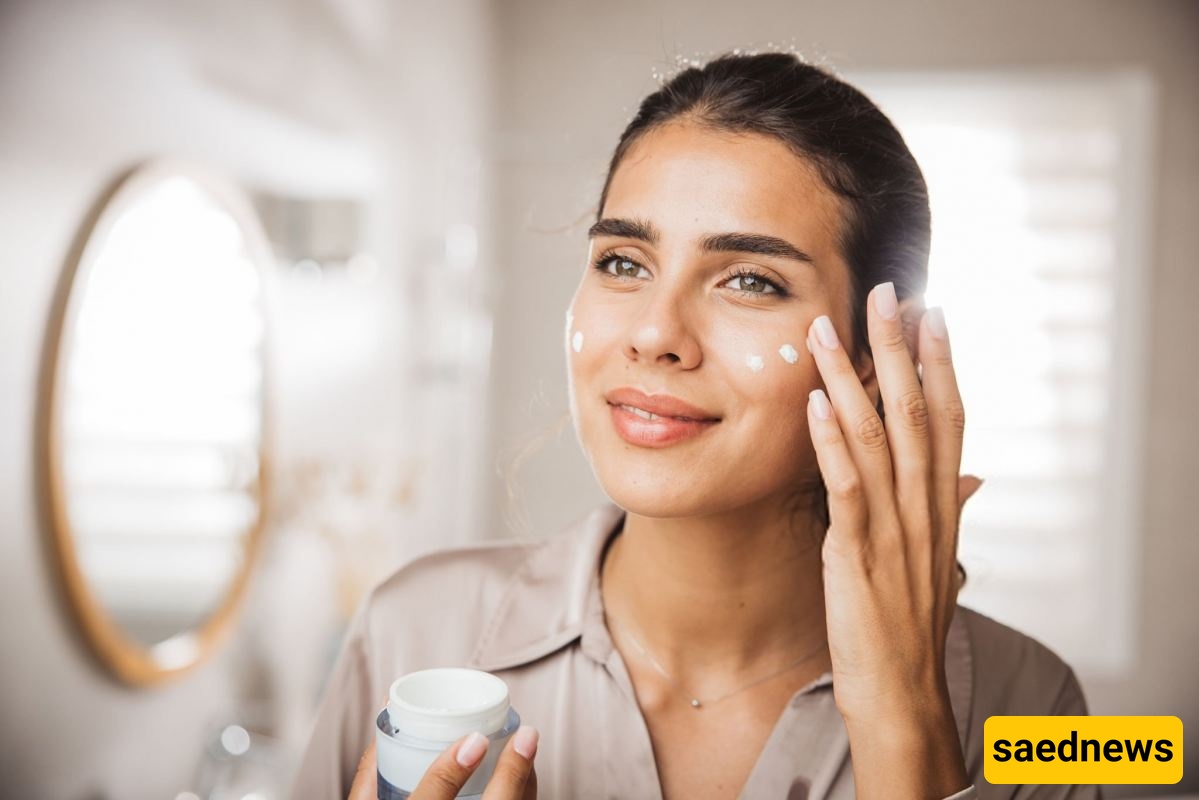
You do not need an elaborate collection of products to get started. Focus on the basics, introduce new products gradually, and adjust your routine when your skin’s needs change.
With patience and consistency, those few minutes of mindful skincare each morning can become a valuable part of your daily routine.