SAEDNEWS: The culture of Rajasthan in India is one of the richest and most colorful cultural traditions in the world. Known as the “Land of Kings,” Rajasthan reflects a powerful blend of royal history, desert life, artistic expression, and deep-rooted traditions that continue to thrive today.
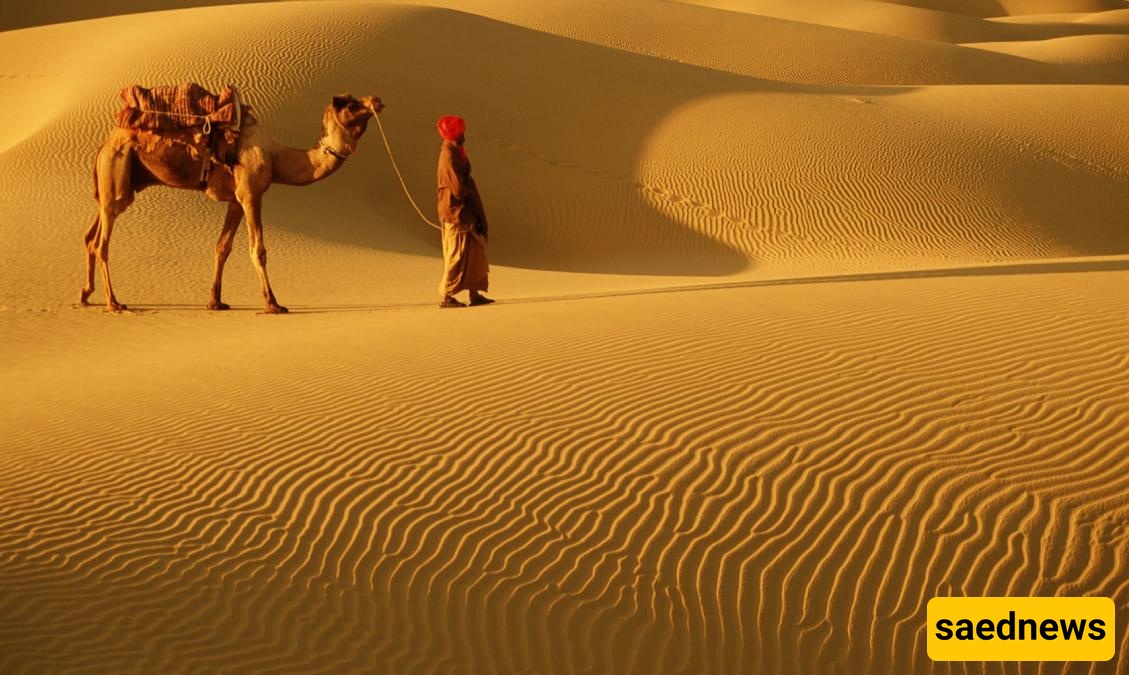
According to Saednews, Rajasthan has a long history of Rajput kingdoms, famous for their bravery, honor, and elaborate palaces. Cities like Jaipur, Udaipur, and Jodhpur are filled with forts and palaces that showcase architectural brilliance and royal luxury. Structures such as Amer Fort and City Palace reflect centuries of royal legacy and artistic excellence.
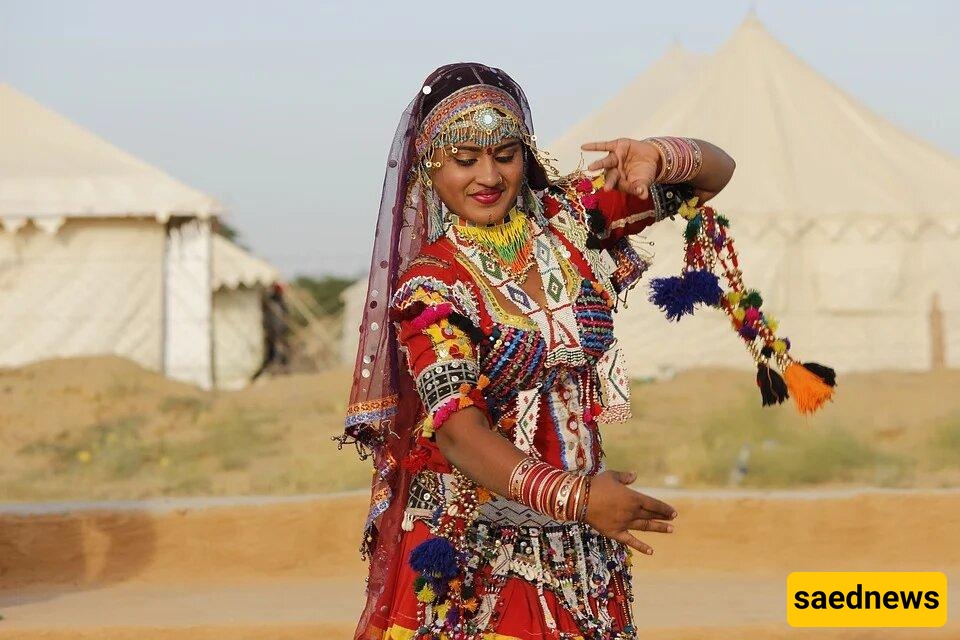
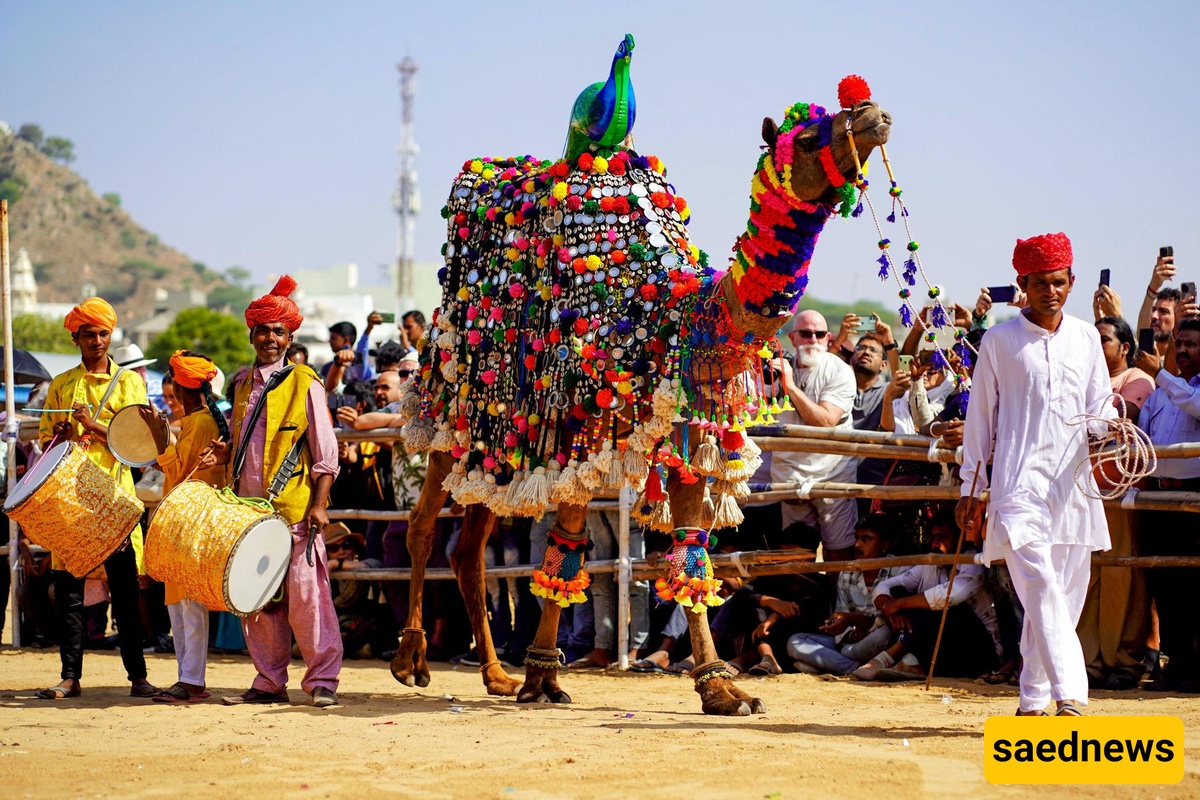
Rajasthani attire is bright, colorful, and adapted to the desert climate. Women often wear ghagras (long skirts), cholis (blouses), and odhnis (veils), while men wear dhotis, kurtas, and colorful turbans called safa. The colors often represent different regions, communities, and occasions.
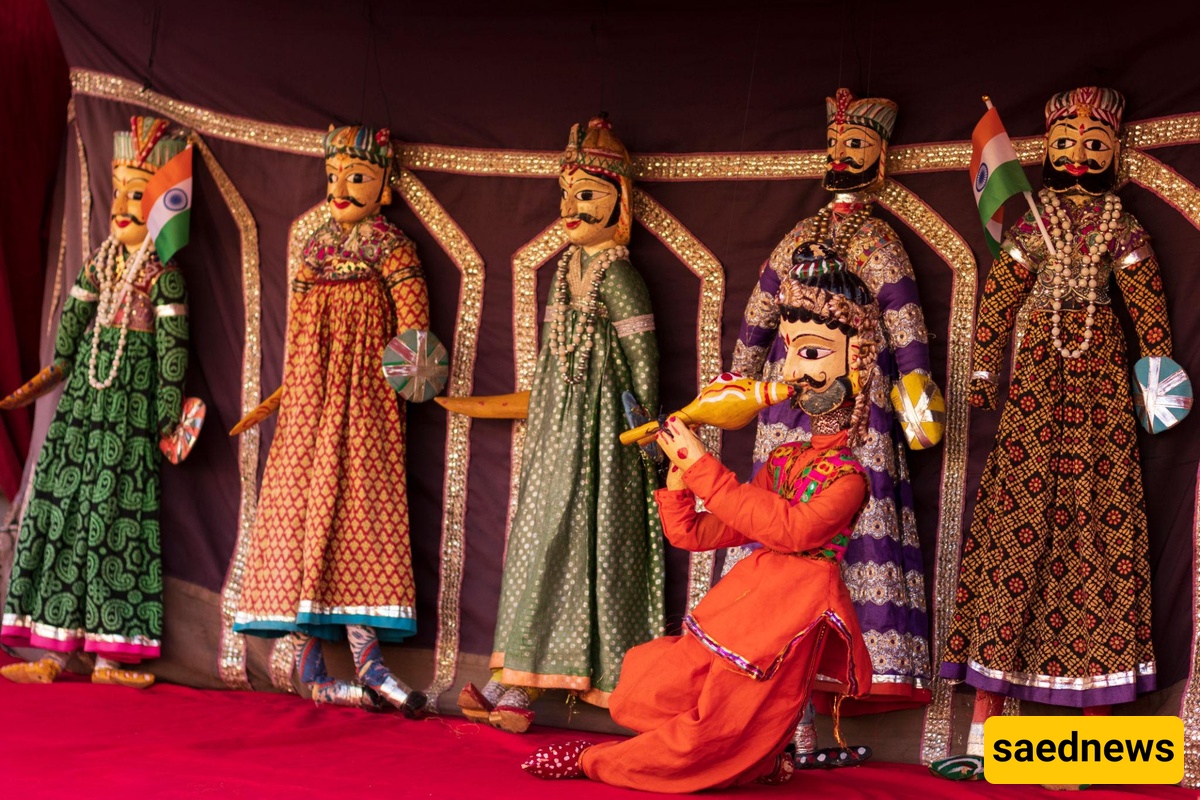
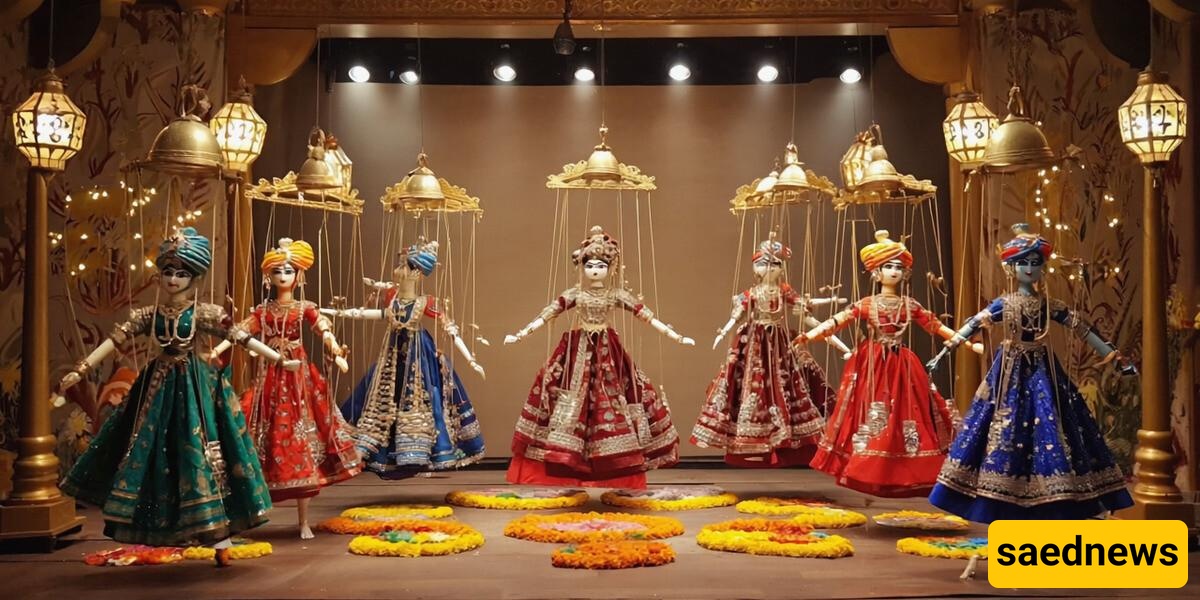
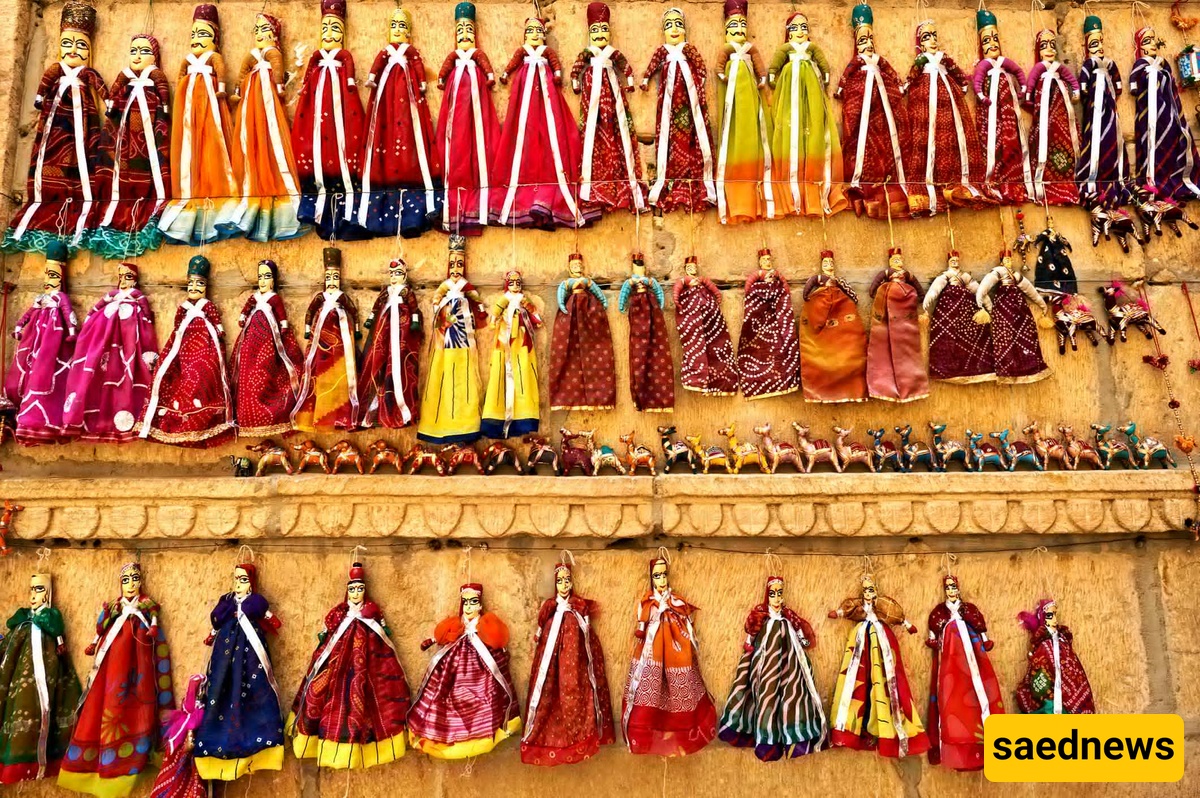
Music and dance are central to Rajasthani culture. Folk dances like Ghoomar and Kalbelia are performed during festivals and celebrations. The music often features traditional instruments such as the sarangi, dholak, and kamayacha. Kathputli, the traditional puppet art, is also a famous cultural symbol of Rajasthan.
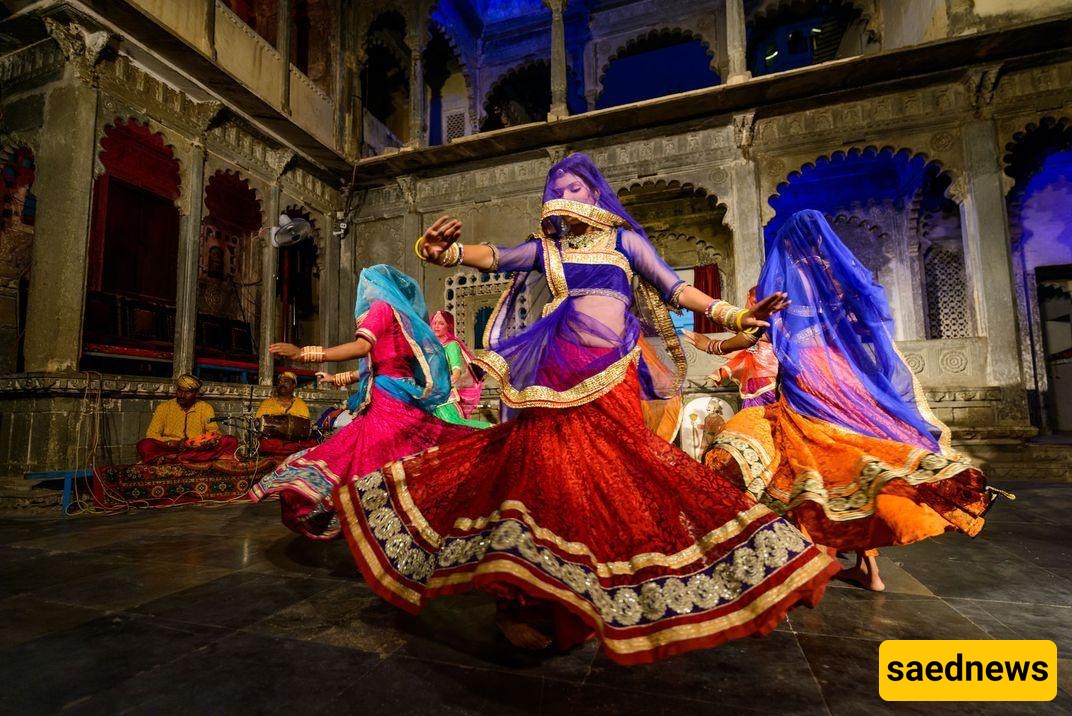
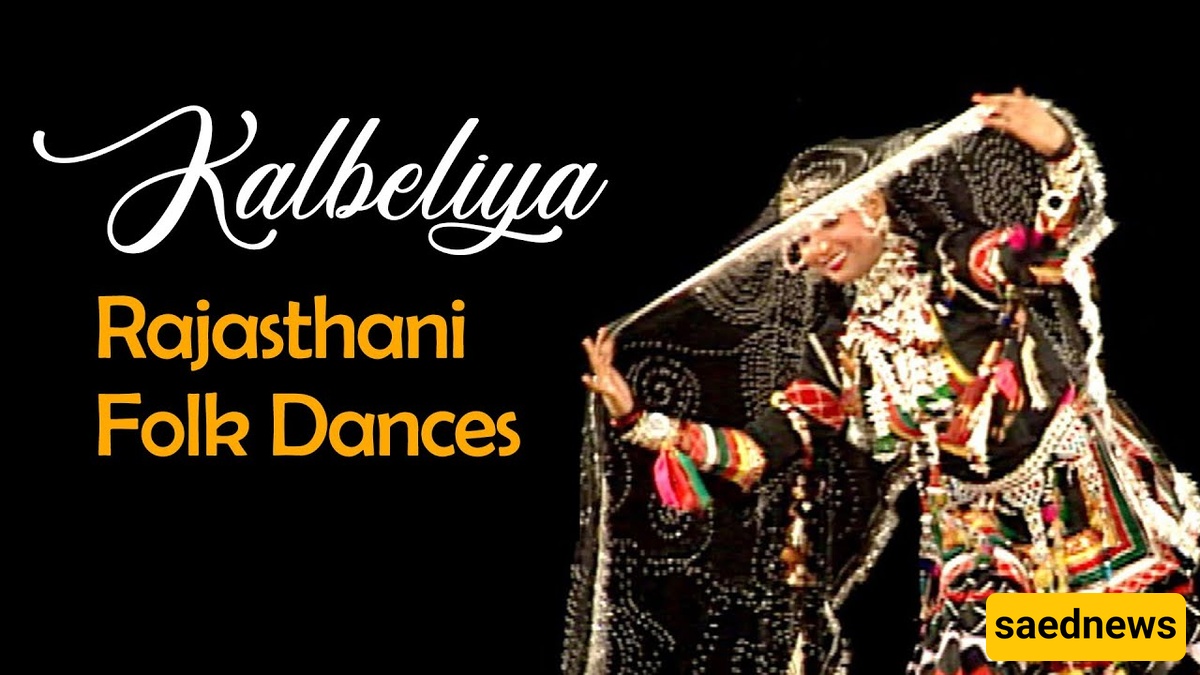
Rajasthan celebrates festivals with great enthusiasm and grandeur. Diwali, Holi, Teej, Gangaur, and the Desert Festival are celebrated with traditional music, dance, and rituals. These festivals highlight the strong community spirit and cultural pride of the people.
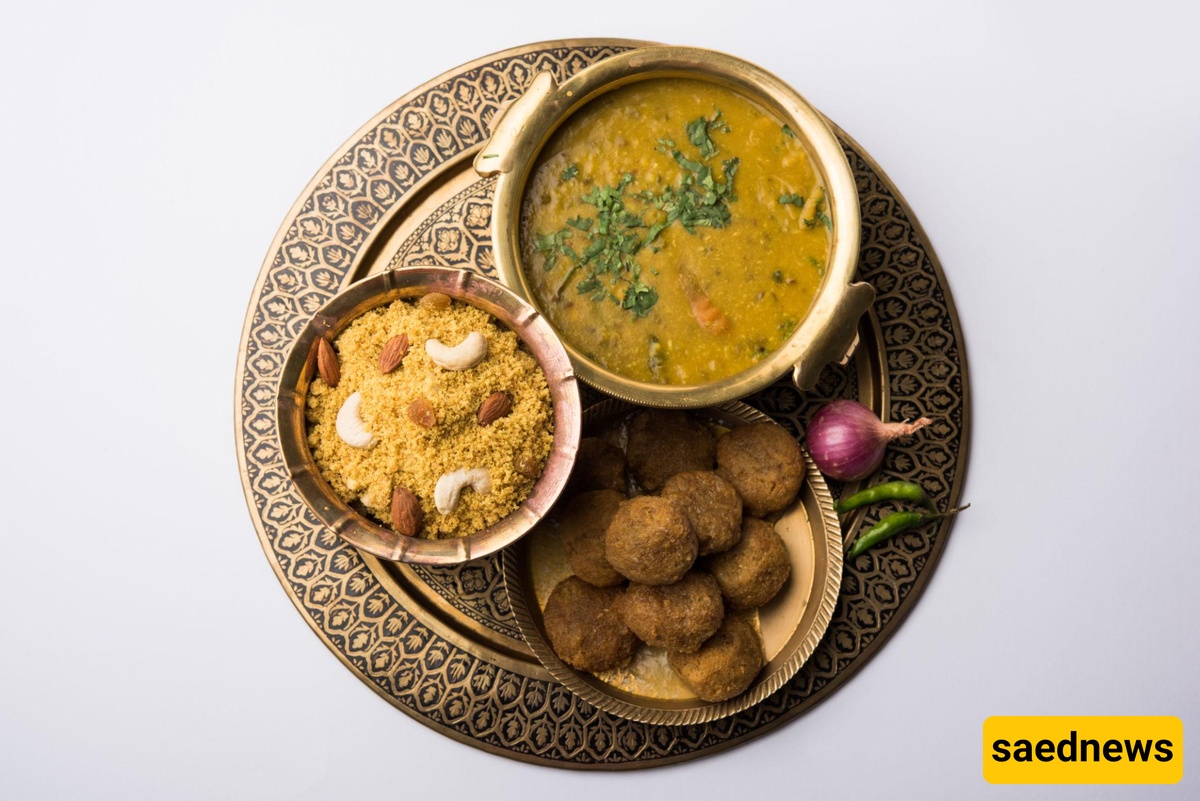
Rajasthani food is known for its bold flavors and long shelf-life dishes, suitable for desert conditions. Popular dishes include Dal Baati Churma, Gatte ki Sabzi, Ker Sangri, and Laal Maas. The cuisine is rich, spicy, and deeply traditional.
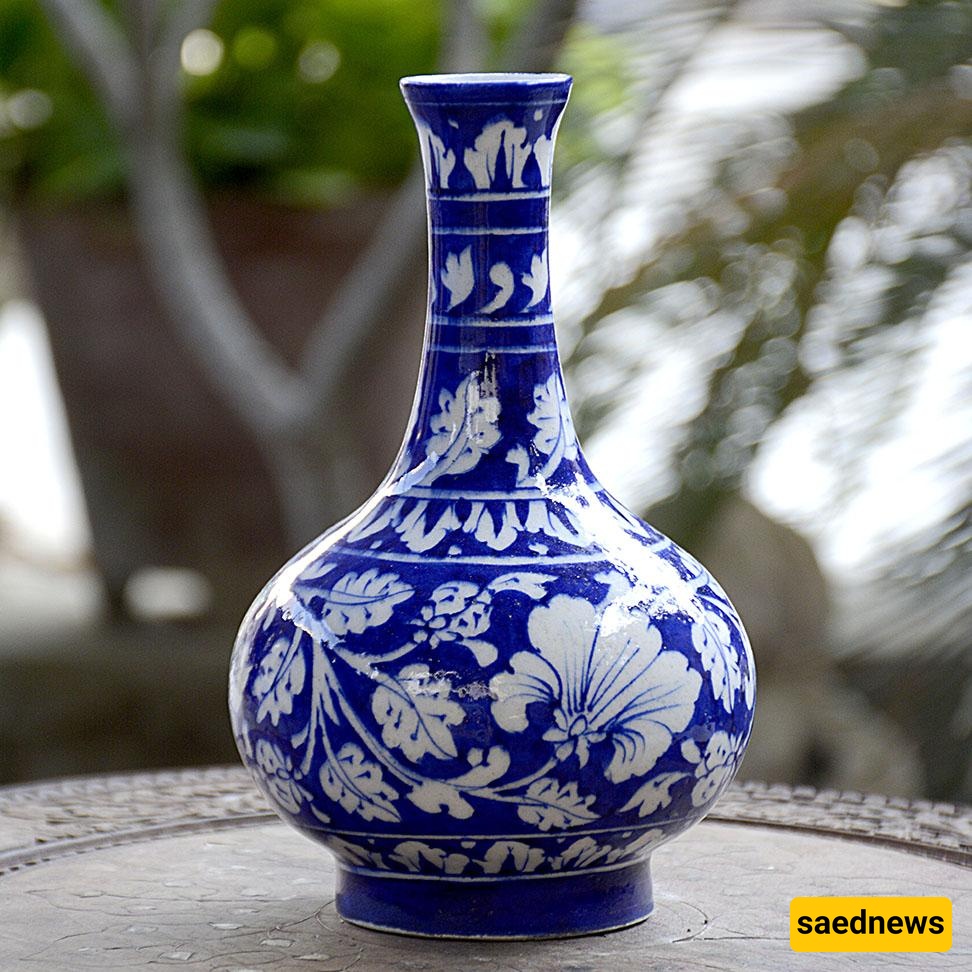
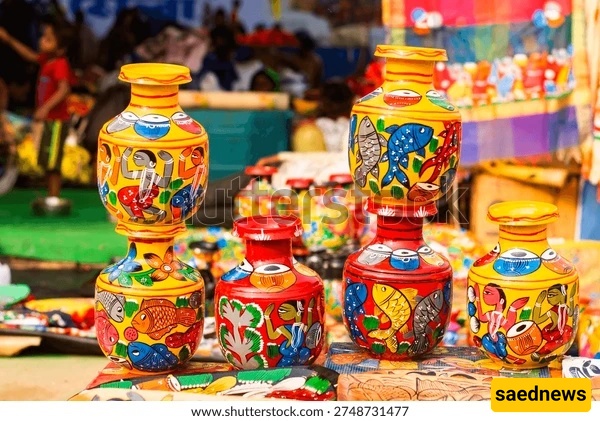
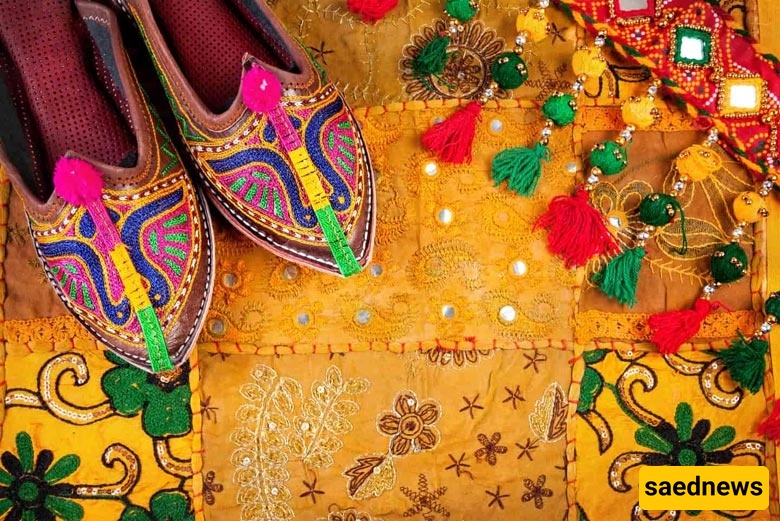
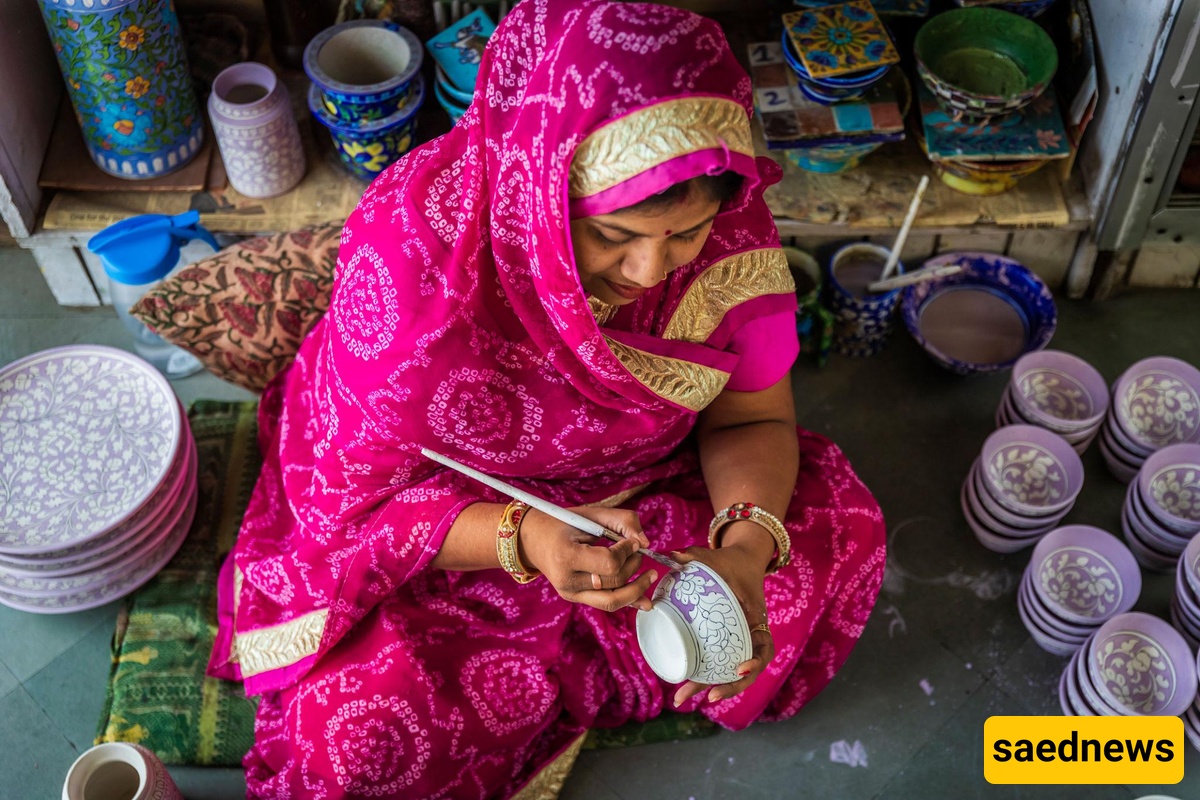
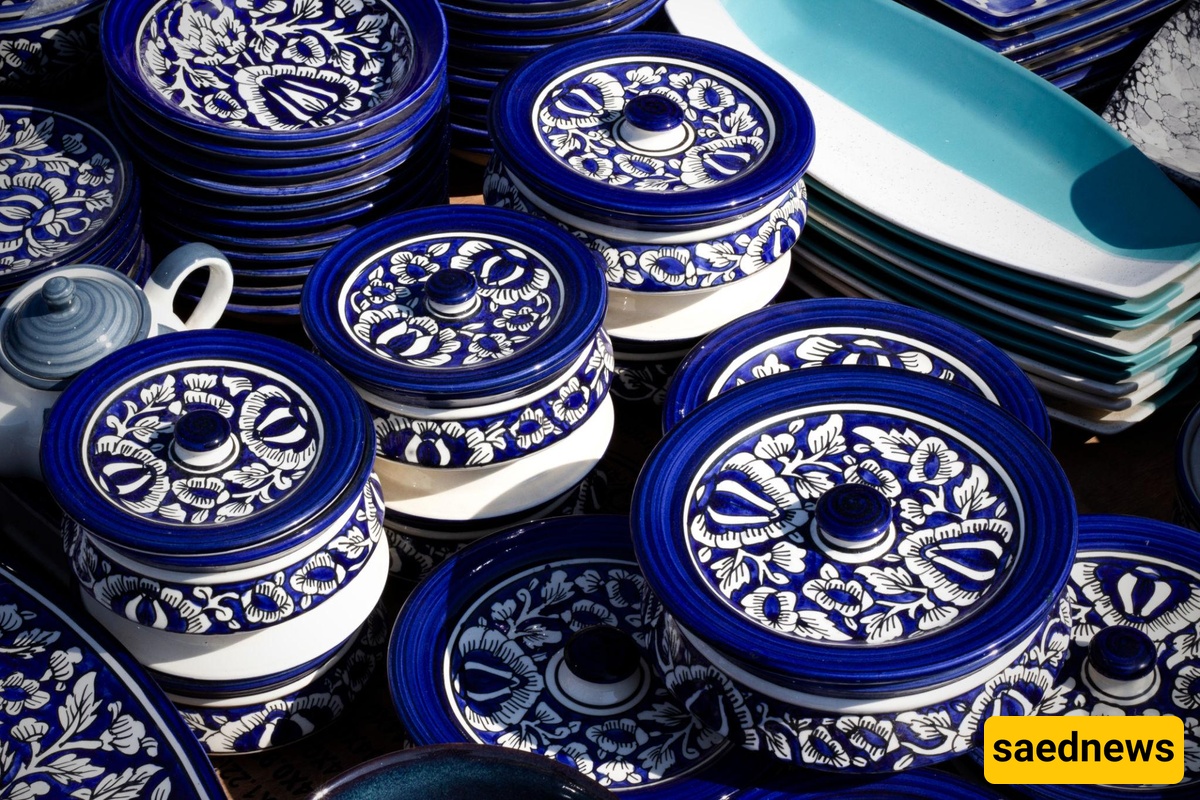
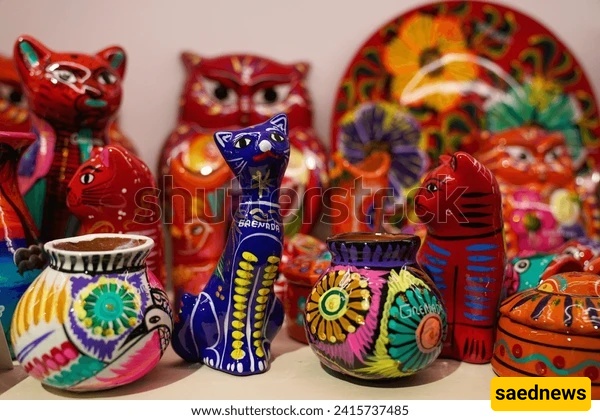
The state is also famous for its handicrafts such as block printing, blue pottery, leatherwork, jewelry, and miniature paintings. These crafts are not only artistic expressions but also an important part of the local economy.
Rajasthani culture is a living example of tradition, resilience, and artistic beauty. From majestic forts to colorful festivals and folk traditions, it represents a unique cultural identity that continues to inspire people around the world.