SAEDNEWS: Recent years of research have shown that art can have a significant impact on patients by improving communication, helping them overcome stress, and enabling them to explore different aspects of their personality.
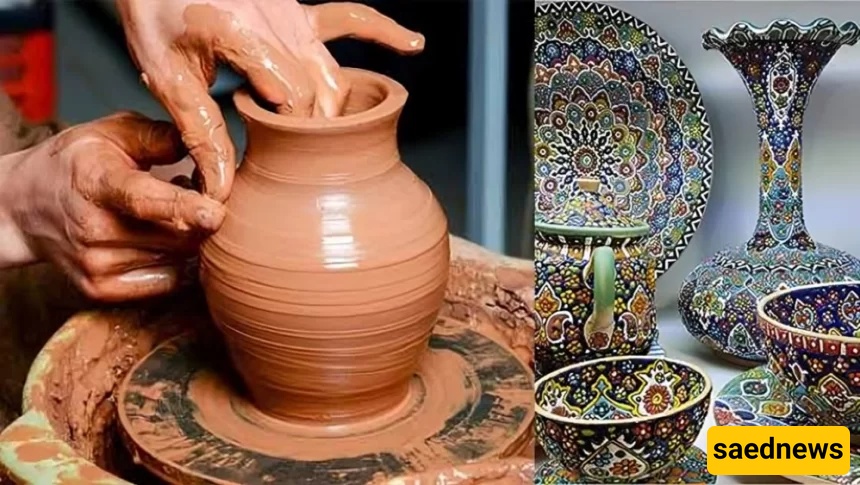
According to SAEDNEWS, A closer look at all Iranian arts shows that art therapy is not limited to just a few artistic disciplines. In fact, many forms of art may provide therapeutic benefits for patients with mental and psychological disorders.
A ceramic artist believes that the primary mission of art is to express inner pains and beauties in various forms. He adds that art is manifested through thought and artistic objects, and this forms the foundation of the evolution of modern global art.
“Iraj Golzari Jamil” says that pottery, as one of the earliest prehistorical craft-arts in the world, holds a special position. Today, beyond its artistic and practical aspects, it is also used in many developed countries in the form of art therapy.
He explains that the ability to combine this art with other industries and use it in architecture is one of its key features, reflecting creativity and the manifestation of thought and ideas. The potter notes that using art is a reliable method for improving human health in today’s society, where people face numerous hardships and problems.
The Director-General of Cultural Heritage, Handicrafts, and Tourism of Hamadan Province describes the “Behبود Institute,” a rehabilitation center, as a suitable environment for art therapy in Alborz.
“Asadollah Biat” emphasizes that talented women at this institute suffer from mental, physical, and psychological conditions.
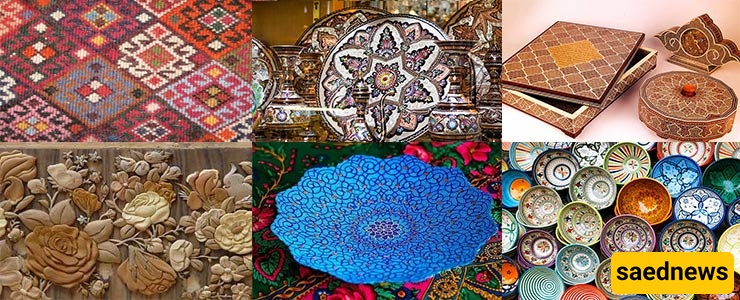
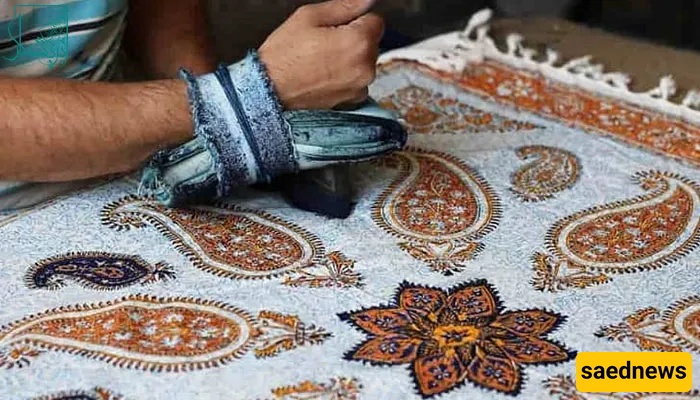
He explains that for two years, the Hamadan Cultural Heritage, Handicrafts, and Tourism Directorate has been teaching pottery, ceramic painting, leatherwork, knitting, and traditional embroidery at this center. He reports successful and impactful training programs and adds that, according to the institute’s officials, some of the women’s products are purchased by visitors who come to show support and sympathy.
He also notes that a booth is planned for national handicraft exhibitions to showcase the products made by these women.
He stresses that participation in handicrafts, especially pottery, has had a significant positive effect on improving the patients’ mental well-being.
The Director-General of Cultural Heritage of Alborz considers the treatment of schizophrenia patients in the province through relief-style pottery as one of the valuable initiatives of the department in 2012.
“Mohammad Reza Pouyandeh” says this initiative was implemented through a training agreement between the Alborz Handicrafts Department and the Rehabilitation Association, aimed at teaching certain handicraft skills to individuals under the association’s care.
He emphasizes that experts consider occupational therapy and art therapy among the most effective methods for the full recovery of schizophrenia patients. The Rehabilitation Association is responsible for caring for these patients.
He further explains that patients should not become isolated after treatment. Under this agreement, several handicraft disciplines that can support this goal are taught by instructors from the Handicrafts Department according to professional standards.
The director notes that in the first phase, training was conducted in relief pottery and traditional leatherwork.
He concludes that the goal of this agreement is to create suitable conditions for employment in society by teaching vocational skills, granting official certifications from the Handicrafts Department, and supporting the full recovery and social reintegration of these patients.