Saed News: In the human body, there are organs that are considered to have no real function, and their presence or absence would not make any difference in a person’s survival.
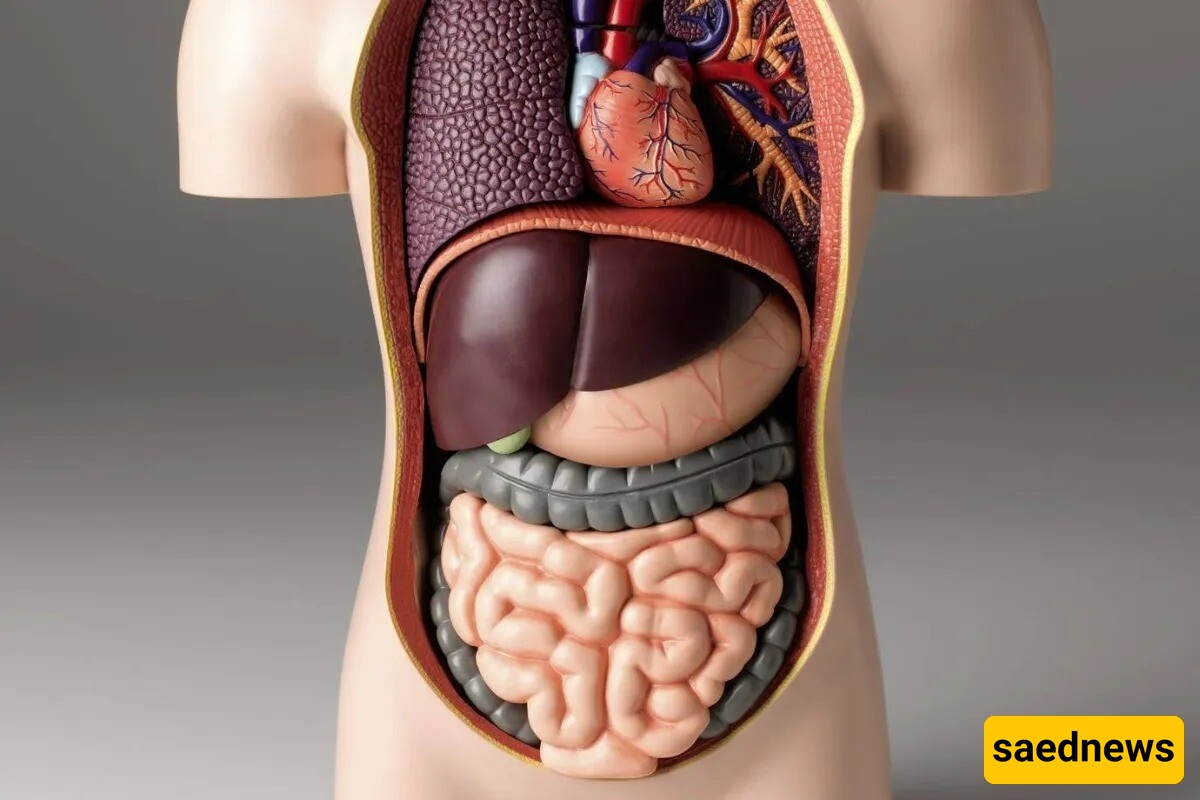
According to SAEDNEWS, some parts of our body that currently perform no specific function were useful for our ancestors. For example, the appendix is no longer considered an essential organ in modern humans. However, some studies suggest that the appendix may have played a role in storing beneficial gut bacteria. Today, when the appendix becomes inflamed or ruptured, it often needs to be surgically removed.
On the other hand, there are several other organs in the human body that were important for ancient humans but are no longer useful for us. Therefore, removing or lacking such organs does not affect a person’s quality of life. Dr. Dorsa Amir, an evolutionary anthropologist at Boston University, stated that some human organs were useful in the past but have lost their significant function due to evolution. However, their presence is not harmful. Below are 9 organs in the human body that have remained largely unused over millions of years:
Years ago, Gizmodo reported that the appendix was likely involved in digesting plant-heavy diets in early humans. While herbivorous vertebrates still rely on the appendix for digestion, in humans it is no longer considered part of the digestive system. Amir explains:
Since we began including meat in our diet, we no longer need a long and complex digestive system.
However, some evidence suggests that the appendix may still store beneficial gut bacteria, although it is unclear whether it currently serves this function or has taken on another role.
If you place the back of your wrist on a table and connect your thumb to your little finger, you may see a tendon in your wrist. This is called the palmaris longus muscle. Amir says this muscle helped our ancestors climb trees. According to Britannica, it was useful for early humans, but since we have been walking upright for about two million years, we no longer need it.
Today, food is soft enough that molars can handle chewing on their own, so wisdom teeth are no longer necessary as they once were.
Our ancestors had much more body hair than modern humans. The arrector pili muscle causes hair to stand up. In furry animals, this helps with insulation and making them appear larger. Humans no longer rely on this function.
The coccyx is a remnant of when our ancestors had tails. It helped with balance, but now serves no specific purpose. Rarely, babies are born with tails, which can be surgically removed.
According to Britannica, auricular muscles help animals move their ears to locate sounds. Humans generally do not need this ability, although some individuals can still move their ears.
This muscle helps tighten the abdominal line but has little functional importance. About 20% of people lack it entirely.
Under normal conditions, men cannot breastfeed because they do not have high levels of prolactin hormone. Therefore, male nipples serve no biological purpose in this context.
Birds, reptiles, and some mammals have a protective third eyelid that keeps the eye moist and protects it from dust. Humans have only a small remnant of it, and its exact evolutionary loss is unclear.