Saed News: Many of us consider depression to be only a simple mood fluctuation, but recent research shows that some symptoms of depression go beyond ordinary sadness and may serve as a precursor to dementia.
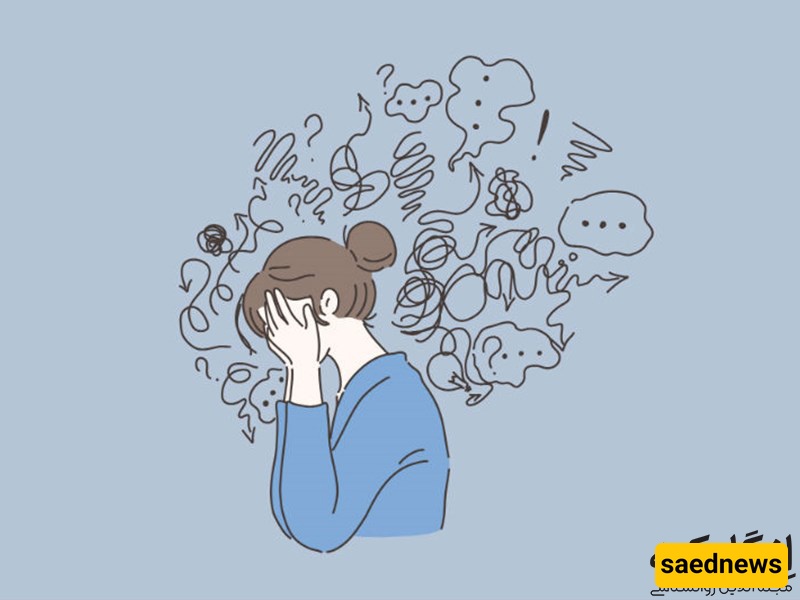
According to SAEDNEWS, depression is no longer viewed solely as a mental disorder. Psychologists and neuroscientists now warn that this condition can act like a termite, gradually damaging the brain’s neural structures. According to the latest medical findings, there are specific symptoms in patients with depression that, if not taken seriously, may pave the way for dementia later in life.
1. Brain Fog and Difficulty Concentrating
One of the earliest and often overlooked signs is the inability to focus on daily tasks. Individuals who constantly feel as if their mind is trapped in a thick “fog” and cannot make decisions as before may be experiencing structural changes in the prefrontal cortex.
2. Reduced Self-Confidence and Social Withdrawal
Sudden loss of self-confidence and avoidance of social interactions is not merely an emotional reaction. This isolation reduces environmental stimulation for the brain and accelerates the decline of gray matter cells.
3. Chronic Tension and Irritability
Persistent nervousness and constant tension increase cortisol levels in the body. High cortisol over time is a major enemy of the hippocampus (the brain’s memory center) and can lead to shrinkage of this vital region.
4. Inability to Solve Problems and Chronic Dissatisfaction
When a person feels completely helpless when facing even minor problems or experiences constant dissatisfaction with how tasks are done by themselves or others, their executive brain function is impaired. This is considered one of the most serious indicators of potential future dementia.
5. Emotional Coldness Toward Loved Ones
A lack of warmth and affection toward close people reflects changes in the brain’s reward system. This emotional numbness may indicate biochemical changes that can ultimately lead to dementia.
Conclusion: Recognizing these symptoms is not about fear, but about early intervention. Treating depression is not only about improving present mental health; it is also an investment in preserving cognitive function and memory in old age. If you notice these signs in yourself or your loved ones, consult a specialist before it is too late.