SAEDNEWS: Blast waves can cause severe damage to the ears, lungs, and internal organs. Following proper safety guidelines can significantly lower the risk of blast-related injuries.
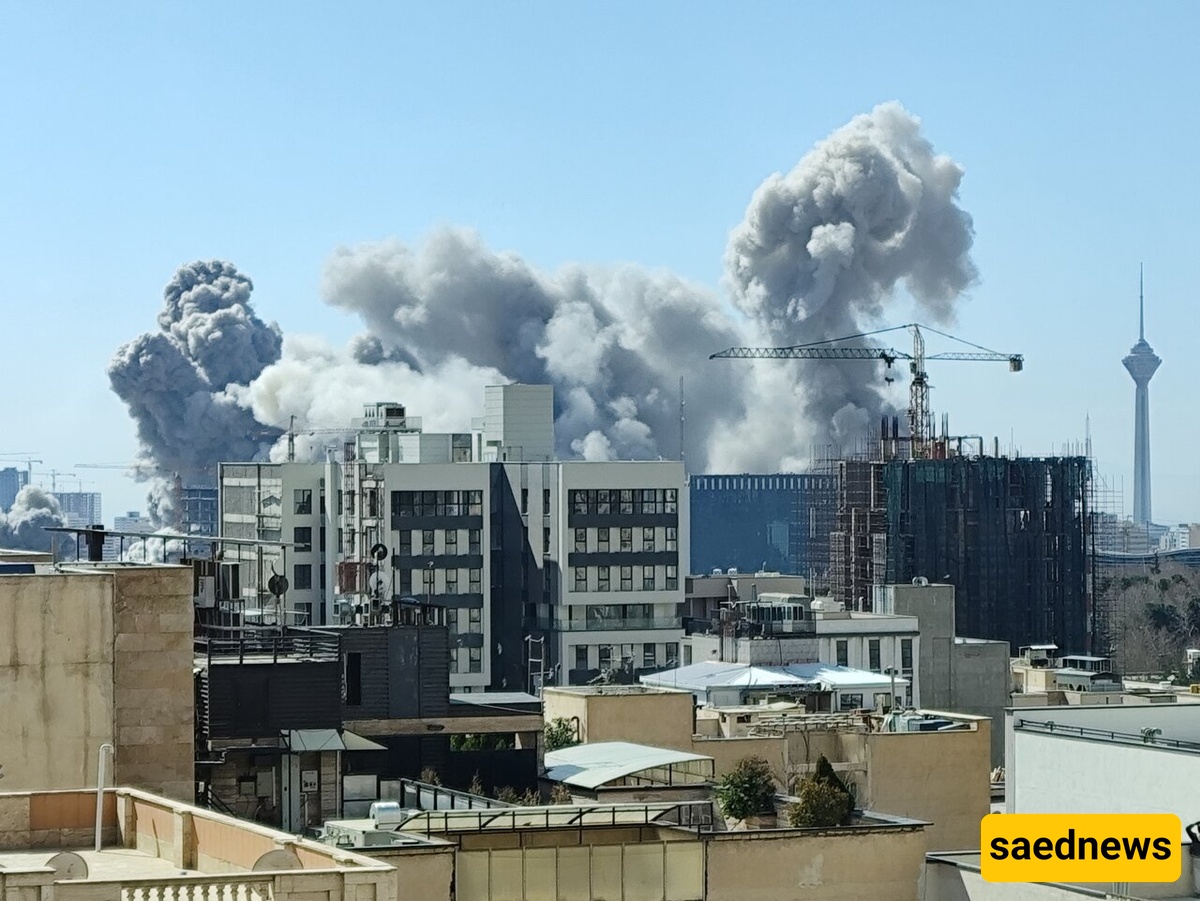
According to Saed News’ social report, as cited by Hamshahri, a blast wave is one of the most destructive consequences of any explosion, capable of causing extensive human and financial damage in a fraction of a second. Many injuries in explosive incidents occur not from flames or shrapnel, but from the sudden and intense pressure of the blast wave. Familiarity with this phenomenon and following safety principles can play a crucial role in reducing harm.
Fararu explains: When an explosion occurs, a large amount of energy is released in an extremely short time. This rapid release compresses the surrounding air, creating a powerful pressure wave that spreads rapidly through the environment. The wave initially causes a sharp rise in pressure, followed by a sudden drop. These rapid pressure changes are the main factors behind structural damage and injuries to the human body.
A blast wave can cause serious injuries even without direct contact with flames or shrapnel. Key dangers include:
Hearing Damage
The eardrum is highly sensitive to sudden pressure changes. Blast waves can rupture the eardrum, reduce hearing, or cause tinnitus.
Lung Injuries
The lungs are among the most vulnerable organs to pressure waves. Intense pressure can cause internal bleeding, tissue rupture, or severe respiratory problems.
Internal Injuries
Blast waves can harm internal organs such as the stomach and intestines without leaving external wounds. These injuries may be detected late but can be life-threatening.
Being Thrown
Pressure from an explosion can propel a person into the ground or surrounding objects, leading to fractures, concussions, or spinal injuries.
Structural Collapse and Shattered Glass
Blast waves commonly break glass and damage walls. Flying shards of glass can cause severe injuries.
Blast wave trauma refers to the injuries caused by exposure to the pressure wave of an explosion. These injuries may appear immediately or with delay. Anyone exposed to an explosion should undergo medical evaluation, even if no obvious symptoms are present.
Following a few simple safety measures can reduce the risk of injury:
Drop to the Ground Immediately
If you hear or sense an explosion, lie flat on the ground and cover your head with your hands. This reduces the chance of being thrown or sustaining head injuries.
Stay Away from Windows
Glass is highly vulnerable to blast waves. Move away from windows and take cover behind interior walls.
Keep Your Mouth Slightly Open
Keeping your mouth slightly open helps equalize pressure in your ears and reduces the risk of eardrum damage.
Take Cover Behind Solid Barriers
Concrete walls, sturdy columns, and heavy obstacles can absorb part of the wave’s energy.
Do Not Rush After an Explosion
Secondary explosions may occur. Do not leave the area until you are certain it is safe.
Blast waves are extremely dangerous and can cause serious injuries within seconds. Understanding the risks of blast wave trauma and practicing safety measures—such as taking cover, avoiding windows, and protecting the head and ears—can save lives. Awareness and preparedness are the most powerful tools for minimizing danger in critical situations.