SAEDNEWS: In times of war, how can we preserve our mental health, and what responsibilities do each family member—even extended relatives—have?
According to SAEDNEWS, citing Rokna, the sound of war always brings consequences. Yet, by paying attention to psychological well-being, this tense atmosphere can be managed. What do people do in such conditions? How can one remain calm when every sound from the outside world feels like a shock?
Many men feel they must “stay strong”—silent, unshaken, unemotional. But fear is a human reaction, not a masculine or feminine one. If you wake up suddenly at night, if every explosion gives you a headache, know that this is normal, not weakness.
To protect your mental well-being, a few things matter:
Maintain your daily rhythm.
Taking a shower, going for a short walk, eating a warm meal—these simple routines act like protective walls around your inner world.
Talk to someone.
Let someone hear what is in your heart. The noise outside is already loud enough; you should not face the noise inside alone.
In crises, women often become the center of care—caring for children, spouses, the home, and even monitoring the news. In doing so, they often forget themselves. And that is exactly where anxiety grows.
In such times, a woman must learn that she must stand first before lifting others.
Take a few minutes of silence each day. Write something. Play music. Take deep breaths. Simply look out the window and pause.
Women are often deeply connected to their emotions. Allow your heart a moment of rest.
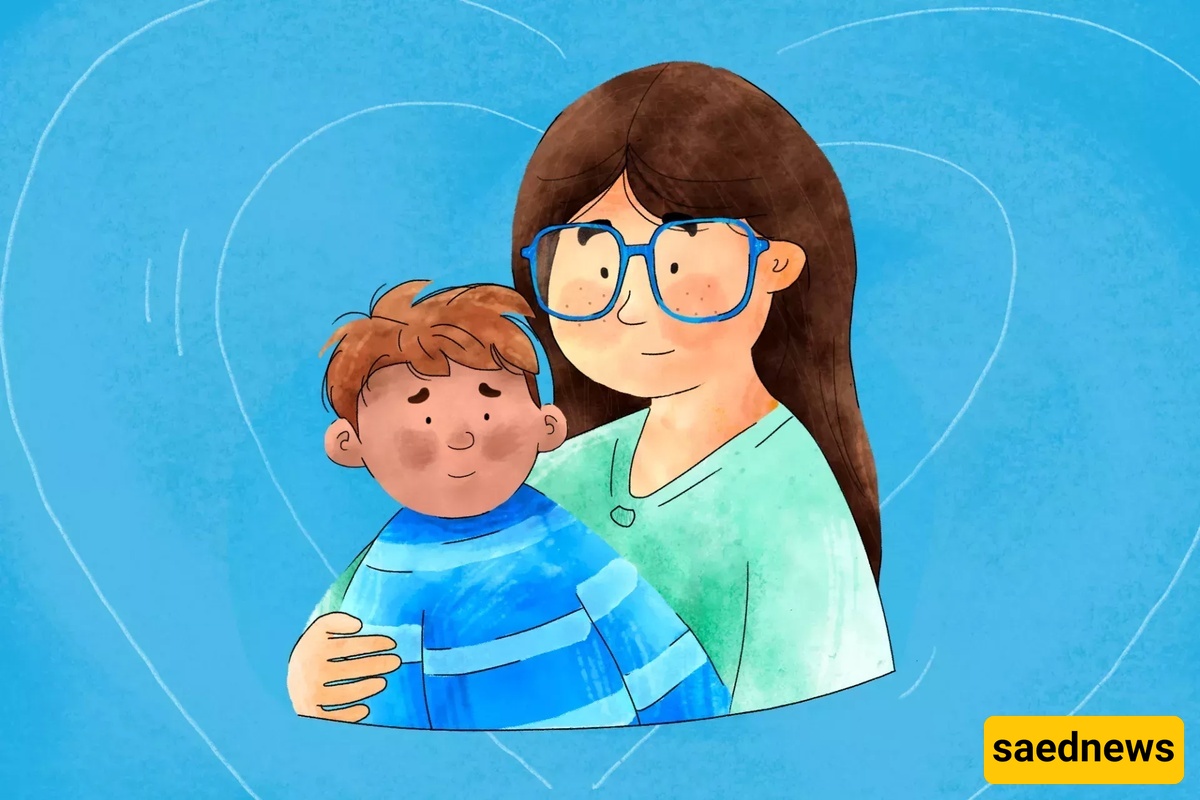
Children may not understand politics, but they sense everything:
A worried mother’s eyes. A father’s silence. A loud sound falling from the sky.
We often think we should say nothing—but silence can increase fear.
Speak to children in their own language:
“Sometimes you may hear scary sounds, but we are safe. This is our home, and it is our safe place.”
Stay beside them. Play. Draw. Let them express fear through colored pencils or toys.
Most importantly: when loud sounds happen, a child looks at your face.
If you remain calm, they will feel calmer.
Some individuals—due to temperament (such as anxiety-prone personalities), past trauma, or existing mental health conditions like generalized anxiety disorder, obsessive-compulsive disorder, or post-traumatic stress disorder (PTSD)—may react more intensely and persistently to environmental triggers like explosions or gunfire.
In such cases, loud sounds may suddenly reactivate traumatic memories and trigger the sympathetic nervous system—the same survival response the brain uses in real danger, even if no immediate threat exists.
The key is to accept these reactions as natural protective responses of the body, not as weakness or exaggeration.
Movement is essential.
Even simple actions—walking inside the house, stretching, practicing deep breathing—can help shift the brain out of a “psychological freeze” state.
From a psychological perspective, individuals with depression often have difficulty regulating negative emotions using internal resources such as motivation, meaning, or hope.
What becomes vital is starting with the smallest acts of self-care:
Staying awake during daylight hours
Drinking enough water
Maintaining contact with one trusted person
Opening a window
These seemingly small actions represent “behavioral activation,” a scientifically validated approach in depression treatment—especially effective during crisis situations.
We can learn to care for ourselves—together.
To protect our minds. Our hearts.
Not through slogans. Not through heroism.
But through small acts of kindness, warm voices, and empathy.