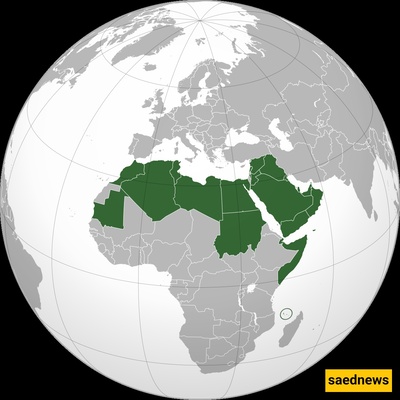
SAEDNEWS: A high-level trilateral meeting in Tehran brought together Iran, Saudi Arabia, and China to follow up on the Beijing Agreement, highlighting efforts to advance diplomacy beyond traditional Western-led frameworks.
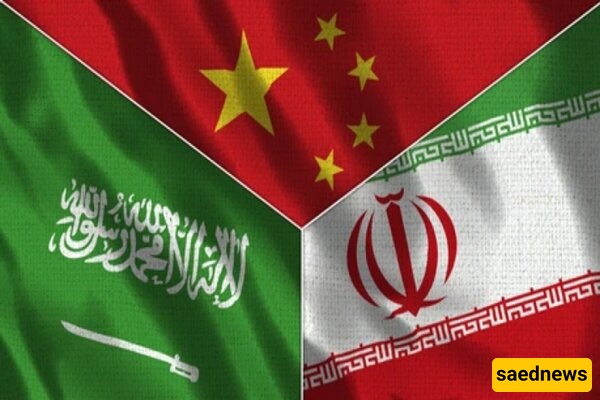
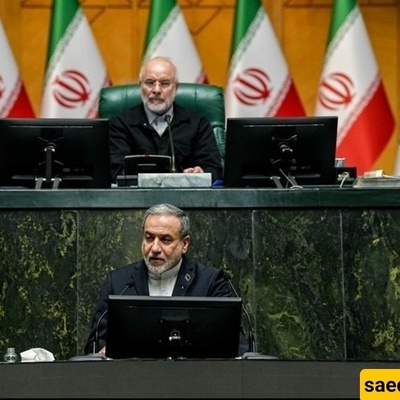
The third joint trilateral committee meeting of Iran, Saudi Arabia and China was held in Tehran on Tuesday, focusing on the follow-up and implementation of the Beijing Agreement — the accord that restored diplomatic relations between Tehran and Riyadh under Beijing’s mediation. The meeting took place amid heightened Western pressure on Iran, including economic sanctions and diplomatic campaigns, yet Tehran continues to pursue active diplomacy with regional and global partners outside Western frameworks. The trilateral format highlights Iran’s commitment to dialogue, regional cooperation and structured engagement with influential actors.
The trilateral meeting between Iran, China and Saudi Arabia in Tehran represents more than a routine diplomatic encounter; it reflects a gradual evolution in how regional and extra-regional actors approach dialogue and cooperation frameworks in West Asia. Over recent years, the geopolitical environment of the region has been marked by periods of tension, fragmentation and external intervention. The emergence of trilateral and multilateral formats indicates a growing recognition among regional states that sustainable stability requires structured dialogue and diversified partnerships.
China’s participation in the Tehran talks highlights Beijing’s expanding diplomatic profile in the Middle East. Traditionally perceived primarily as an economic partner, China has increasingly positioned itself as a facilitator of dialogue and a supporter of political solutions to regional challenges. For Iran and Saudi Arabia, engaging within a trilateral format offers an opportunity to address common concerns while maintaining national priorities and strategic autonomy.
The session was chaired by Iranian Deputy Foreign Minister Majid Takht-Ravanchi, with participation from Saudi Deputy Foreign Minister Waleed al-Kharaji and Chinese Deputy Foreign Minister Miao Deyu.
In a later meeting, Iranian Foreign Minister Abbas Araghchi highlighted Iran’s dedication to strengthening relations with neighboring countries, particularly Saudi Arabia, while appreciating China’s constructive role in promoting stability, multilateralism, and the rule of law.
China reaffirmed its readiness to support Tehran and Riyadh in expanding cooperation across political, economic, cultural, and security fields. Saudi and Chinese delegates praised Iran’s hospitality and expressed their countries’ willingness to further develop bilateral relations in all areas.
The trilateral meeting in Tehran addressed a range of critical issues, including the follow-up on the Beijing Agreement, strengthening bilateral and regional cooperation, promoting political coordination and structured dialogue, enhancing economic, cultural, and consular exchanges, and reaffirming the commitment to sovereignty, security, and regional stability. China’s mediation role was acknowledged, and all parties emphasized the importance of peaceful conflict resolution, multilateral engagement, and maintaining stability across West Asia.
A joint statement was issued at the conclusion of the meeting, reaffirming the commitment of Iran and Saudi Arabia to all provisions of the Beijing Agreement. The statement emphasized:
Respect for sovereignty, territorial integrity, independence, and security in line with the UN Charter, OIC Charter, and international law.
China’s continuous positive role in facilitating dialogue and monitoring the implementation of the accord.
Progress in consular coordination, enabling safe travel for over 85,000 Iranian Hajj pilgrims and more than 210,000 Umrah pilgrims in 2025.
Growing exchanges between Iranian and Saudi research centers, academic institutions, media organizations, and cultural bodies.
Support for a comprehensive political solution in Yemen under UN auspices.
Immediate halt to Israeli military operations in Palestine, Lebanon, and Syria, while condemning violations of Iranian sovereignty.
The meeting highlighted that the trilateral dialogue is not merely symbolic but aims to implement practical measures to advance regional stability, strengthen bilateral relations, and enhance multilateral cooperation.
During the trilateral meeting, Saudi Arabia and China condemned any act of aggression and violation of the sovereignty and territorial integrity of the Islamic Republic of Iran. All three countries expressed serious concern over military operations threatening regional stability and emphasized the importance of respecting international law and the UN Charter.
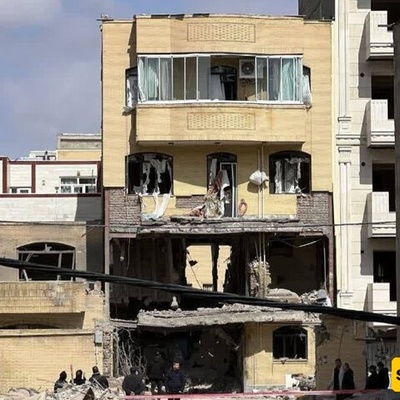
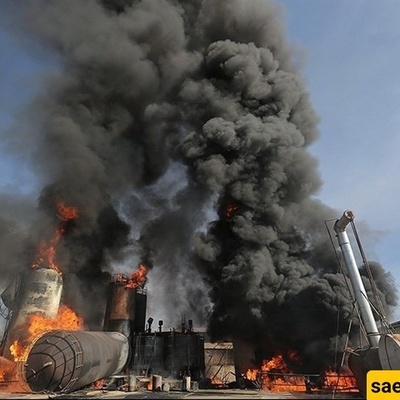
The joint statement highlighted Iran’s appreciation for the support and solidarity shown by Saudi Arabia and China during the Israeli military aggression in June, affirming a shared commitment to peaceful resolution of conflicts and the protection of territorial sovereignty.
This unified stance reinforces the trilateral framework as not only a diplomatic mechanism for implementing the Beijing Agreement but also a platform for regional coordination and collective defense of international norms.
The Tehran trilateral meeting carries significant implications for regional stability. It signals an emerging preference for structured multilateral diplomacy that goes beyond bilateral channels, reduces potential misunderstandings, and provides a mechanism for predictable dialogue. The presence of China as a neutral facilitator reinforces confidence in the process and enhances prospects for tangible outcomes.
By engaging within this trilateral format, Iran demonstrates its strategic autonomy while signaling to regional and global actors that constructive diplomacy is prioritized over isolation or unilateral pressure.
The trilateral talks highlighted the potential for broad economic cooperation between Iran, Saudi Arabia, and China. Potential areas for collaboration include trade expansion, infrastructure development, energy sectors (oil, gas, and renewables), logistics, and private-sector engagement.
China’s expertise in large-scale infrastructure and regional connectivity projects can enhance the feasibility and effectiveness of such initiatives, supporting both the implementation of the Beijing Agreement and the long-term strengthening of economic ties among the three countries.
The third trilateral meeting in Tehran reinforces Iran’s dedication to regional diplomacy and multilateral engagement. By following up on the Beijing Agreement and collaborating closely with China and Saudi Arabia, Iran signals that dialogue, regional cooperation, and adherence to international norms remain central pillars of its strategy. The meeting underscores a pragmatic, forward-looking approach to regional stability, peaceful cooperation, and constructive diplomacy, highlighting that even amid external pressures, sustainable regional solutions are achievable.