SAEDNEWS: Despite remarkable progress in medical science, cancer remains one of the greatest challenges. This disease, which appears in various forms, continues to evade a definitive cure due to its complexity and high adaptability.
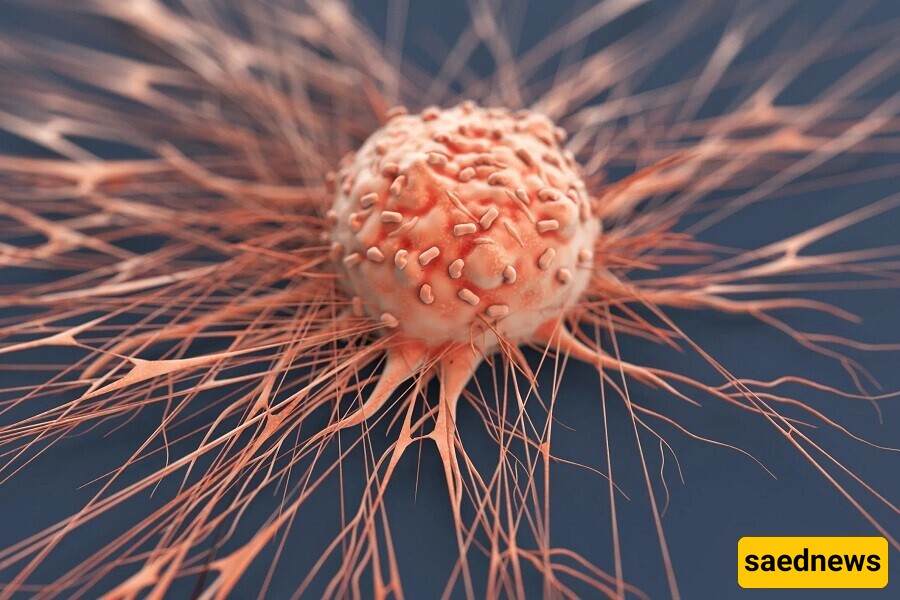
According to SAEDNEWS, cancer is a ruthless enemy that claims millions of lives each year, and it is one of the most complex biological phenomena medical science has ever faced. While scientists and researchers have made significant strides with treatments like chemotherapy, radiation therapy, and immunotherapy, a permanent cure for cancer still seems out of reach.
The reason for this lies in the biological complexity and high diversity of cancers. Cancer cells continuously mutate and build resistance to treatments, making it difficult for medications to remain effective. This article explores the main reasons behind this challenge, as well as the promising advancements in the fight against cancer.
The complete cure for cancer remains a major challenge for medical science, even with remarkable progress. The cause of this is tied to cancer's biological complexity, the diversity of its types, and its ability to adapt to treatments. Here are the key reasons for this challenge:

Cancer is not a single disease; it includes hundreds of different types. Each type of cancer starts in specific cells and has its own unique genetic and molecular characteristics. A treatment that works for one type of cancer might have no effect on another.
Cancers are caused by genetic mutations that cause cells to grow uncontrollably.
Cancer’s adaptability: Cancer cells can become resistant to drugs, especially if treatments are incomplete or if cancer is not detected early enough.
Ongoing mutations: Continuous mutations in cancer cells make treatments less effective over time.
In many cases, cancer does not show symptoms until it has reached an advanced stage. This delay makes it harder to treat the disease early when success rates are higher.
Cancer cells originate from our own normal cells.
Our immune system is designed to detect and fight foreign threats (like viruses) but not to attack our own cells.
This makes it harder for the immune system to effectively fight cancer.
Cancers involve not just cancerous cells, but also surrounding cells and supportive tissues.
The tumor’s “microenvironment” can shield cancer cells from drugs.
It may also contribute to cancer’s growth and spread.
One of cancer’s most dangerous features is its ability to spread to other parts of the body.
Treating cancer in its advanced stages is much more challenging because it may have spread to different organs.
Chemotherapy and Radiation: These treatments not only damage cancer cells but also harm healthy cells, leading to severe side effects.
Immunotherapy: Treatments that boost the immune system have been a significant breakthrough, but they are not yet universally effective or widely available.
Cancer research is both complex and costly. Fully understanding the molecular and biological pathways that lead to cancer will take time. However, recent advancements offer hope for the future.
Immunotherapy: Strengthening the immune system to recognize and attack cancer.
Targeted therapies: Drugs that focus on specific molecules in cancer cells.
Precision medicine: Designing treatments tailored to each patient’s genetic makeup.
Prevention and Screening: Early detection programs that have improved treatment success rates.
A complete cure for cancer may require a multifaceted approach: prevention, early detection, and treatments tailored to each individual. While we have not yet reached the ultimate solution, current progress suggests that we are on the right path.