SAEDNEWS: A proposal calling for a predetermined response to any assassination attempt against the Supreme Leader or senior officials has renewed focus on strengthening security deterrence to discourage high-risk actions by adversaries.
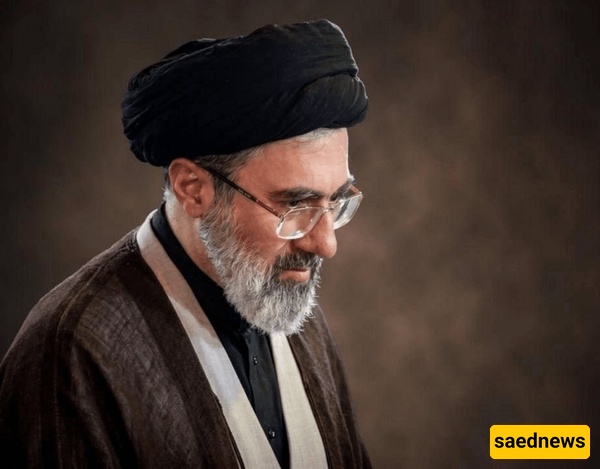
According to the political service of SaedNews, Kazem Gharibabadi stated early Monday, July 13, 2026, in a post on the social media platform X, that there is a need to establish a clear mechanism for responding to any assassination attempt against Iran’s Supreme Leader.
He wrote that, in line with maintaining a firm strategy of confronting any military aggression against the country, either the Supreme National Security Council or the Iranian Parliament should approve a practical regulation that would determine in advance a decisive and deterrent response by the state in the event of any assassination attempt or terrorist action targeting the Supreme Leader, as well as military and civilian officials.
Gharibabadi further emphasized: “No action against Iran should go unanswered.” He described the proposal as part of efforts to strengthen deterrence and establish a framework for responding to any attack against the country’s senior officials.
According to SaedNews’ analysis, from a deterrence perspective, announcing in advance the consequences of any assassination attempt or terrorist act against the country’s highest-ranking official could be considered part of a strategy to increase the costs for any party considering such an action. In national security terminology, clearly defined red lines and a specified response mechanism are regarded as tools for strengthening deterrence, as they signal to potential adversaries that the costs of a possible attack would outweigh any expected benefits. Therefore, the proposal to create a practical framework for responding to such scenarios can be viewed within the context of enhancing deterrence capabilities.
At the same time, announcing the existence of a predetermined response mechanism for any assassination attempt against the Supreme Leader or other senior officials could help prevent uncertainty during a crisis. In many countries, anticipating emergency scenarios and establishing response frameworks are considered part of security and defense planning. Based on this approach, the clearer the deterrence message and the more transparent the potential costs of hostile actions, the lower the likelihood of risky calculations and provocative actions by opponents.