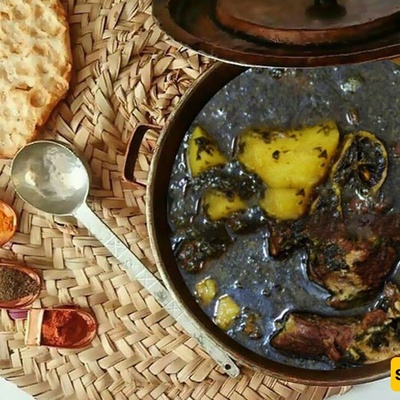
SAEDNEWS: In this article, we will introduce you to the best spice combination for Gheimeh stew. Stay with us as we explore the ideal blend of seasonings to enhance the taste and aroma of this traditional dish.
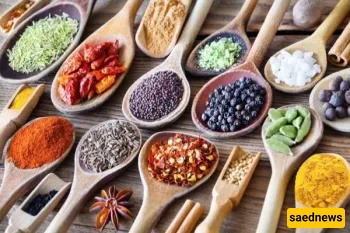
According to Saednews, One of the most beloved Iranian dishes is Gheimeh stew (Khoresh Gheimeh). This completely traditional Persian dish is known for its rich combination of ingredients and many nutritional benefits. Most Iranian families prepare it for gatherings, celebrations, and special occasions.
Gheimeh is usually prepared in two popular styles: one with crispy fried potatoes and another with eggplant. Both versions are delicious, but have you ever wondered why the flavor and aroma of this dish are not always the same? Sometimes it tastes richer and smells more appealing than usual.
The answer lies in the spices used to season Gheimeh. Since this stew is traditionally made with lamb, properly seasoning the meat is essential. If the meat is not seasoned correctly, its natural smell can become unpleasant. The right combination of spices can transform Gheimeh into one of the most flavorful Persian stews.
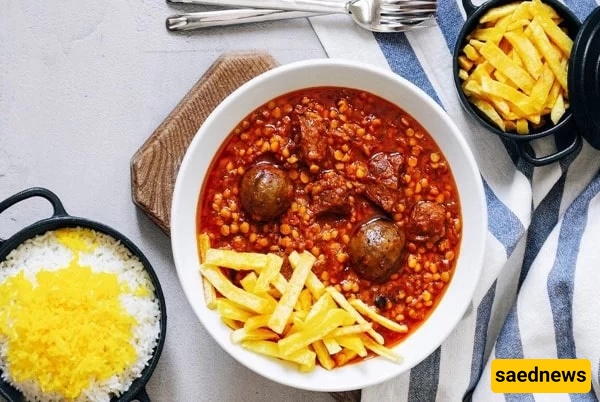
The spice mix for Gheimeh is made from several different spices. They can either be used separately during cooking or blended together to create a special seasoning mix.
Essential Spices for Gheimeh Stew
Many people believe that using fresh lamb and slow cooking are the main secrets behind a delicious Gheimeh, but the distinctive aroma and taste mainly come from the special spice blend. Just like Persian rice dishes, stews also have their own signature spices that create unforgettable flavors.
The seasonings used for Gheimeh can be divided into two categories:
Basic spices: Salt, turmeric, and black pepper
Special spices: Cinnamon, cardamom, nutmeg, saffron, and dried rose petals
Salt is the most important seasoning in both rice dishes and stews because it enhances the overall flavor. However, it should be used carefully to prevent the stew from becoming too salty or bland.
The amount of salt should always match the other ingredients. Using this basic seasoning properly helps improve the flavor and texture of the meat.
One of the most important base spices in Persian cooking, especially for Gheimeh, is turmeric. This golden spice, made from dried turmeric roots, can easily change the color, aroma, and flavor of the stew.
Turmeric can be used in many Persian dishes, including eggplant Gheimeh, lentil rice, and bean rice. It is also known for its antioxidant and anti-inflammatory properties.
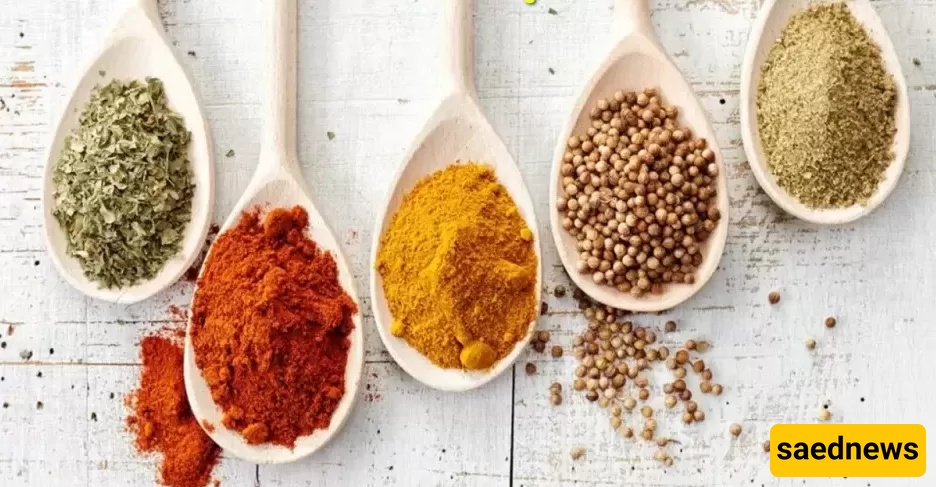
The small black pepper seeds add a mild but noticeable flavor that plays an important role in making the stew more delicious. Because of its warm aroma and taste, black pepper is considered one of the key spices for Gheimeh.
The amount of black pepper depends on personal preference and how spicy you like your food. It can also help stimulate digestion and increase saliva production.
Cinnamon powder or cinnamon sticks are among the most important spices for Gheimeh because they provide a wonderful aroma. Cinnamon is widely used in Persian cooking, including various stews, desserts such as Sholeh Zard, cinnamon sweets, and pastries.
If you use a cinnamon stick while cooking Gheimeh, it is better to remove it afterward to prevent the stew from becoming too dark. Be careful not to add too much cinnamon, as its strong flavor should not overpower the dish.
Cardamom, a green spice used either whole or ground, gives Gheimeh a warm and pleasant aroma that enhances its taste. When ground, cardamom becomes lighter in color.
The amount of cardamom used depends on personal preference because not everyone enjoys its strong and distinctive flavor.
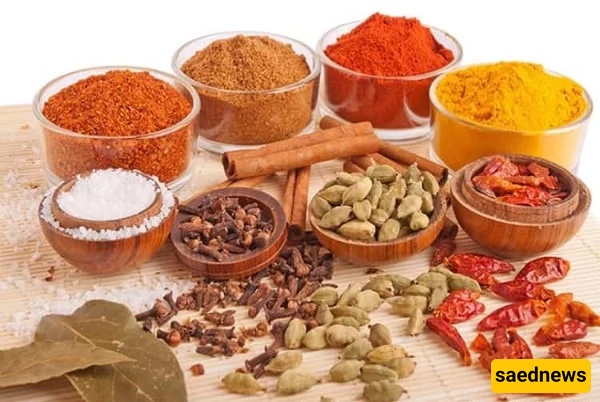
Nutmeg is a spice that requires careful use. Adding too much can create a strong flavor and make the stew taste bitter.
Nutmeg seeds, which have a grayish-brown color, are usually sold in powdered form for cooking. Despite its slightly sweet taste, nutmeg adds a unique depth and warmth to Gheimeh. However, its flavor may not appeal to everyone, especially for formal gatherings.
Saffron is the most expensive spice and adds an exceptional aroma, flavor, and beautiful color to Gheimeh.
For a special occasion Gheimeh, do not hesitate to use enough saffron to enhance the dish. The best time to add saffron is during the final stages of cooking. Adding it near the end allows the stew to maintain a stronger and more appealing aroma.
Dried rose petals, also known as Persian red rose, are among the most aromatic additions to Gheimeh. In some regions of Iran, a small amount is added to the stew to create a delicate fragrance.
This calming ingredient can also be used in desserts and traditional sweets. If dried rose powder is unavailable, rose water can be used as a substitute.
How to Make a Homemade Gheimeh Spice Blend
Instead of adding each spice separately every time you cook Gheimeh, you can prepare a homemade spice mixture. A balanced blend makes cooking easier and creates a consistent flavor.
For the best result, grind and combine the following ingredients:
Spice | Amount |
|---|---|
Black pepper | 1 teaspoon |
Cinnamon | 1 teaspoon |
Turmeric | ½ teaspoon |
Ground cardamom | ½ teaspoon |
Nutmeg | 1 teaspoon |
Dried rose petal powder | 1 teaspoon |
Saffron | 1 teaspoon |
Gheimeh spice blend is one of the main reasons behind the delicious taste of this traditional Iranian dish. Making it at home is recommended because freshly prepared spices release a much stronger aroma.
First, grind each spice separately. Then place all the spices in a bowl and mix them thoroughly.
Sift the mixture two or three times to remove any unwanted particles and create a smooth blend. Finally, grind the saffron separately and add it to the mixture.
Store the finished spice blend in a clean glass container and keep it in a cool place.
The Best Time to Add Gheimeh Spices
If you want the aroma of Gheimeh to fill your home, knowing when to add the spices is important.
One of the best times to add most spices is during the final stages of sautéing the onions and meat. The lamb and onions should be lightly fried with the spices for a few minutes to release their flavors.
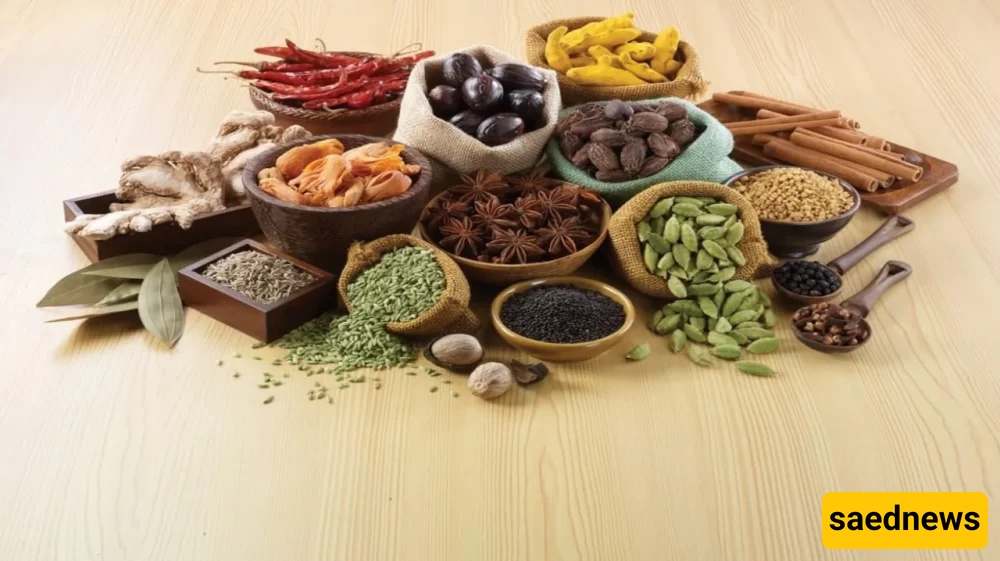
However, saffron is usually added during the last 20 minutes of cooking to preserve its aroma and color.
The spice blend used in Gheimeh contains several beneficial ingredients:
Black pepper: A powerful antioxidant
Cinnamon: May help regulate blood sugar and support metabolism
Turmeric: Beneficial for heart health and digestion
Cardamom: May help support healthy blood pressure levels
Nutmeg: Supports the immune system when used in small amounts
Saffron: Traditionally used to support mood and emotional well-being
Dried rose petals: Traditionally considered beneficial for heart and digestive health
The secret behind a flavorful Gheimeh stew is not only the meat and cooking method but also the careful balance of traditional Persian spices. A well-prepared spice blend can turn a simple homemade Gheimeh into an aromatic and unforgettable dish.