SAEDNEWS: When we think of ballistic missiles, most of us picture a large, cylindrical body striking the ground and triggering a massive explosion. But sometimes, a missile splits into hundreds of smaller fragments in the sky to cover a wide area. This is where terms like “rain warhead” and “cluster warhead” come into play.
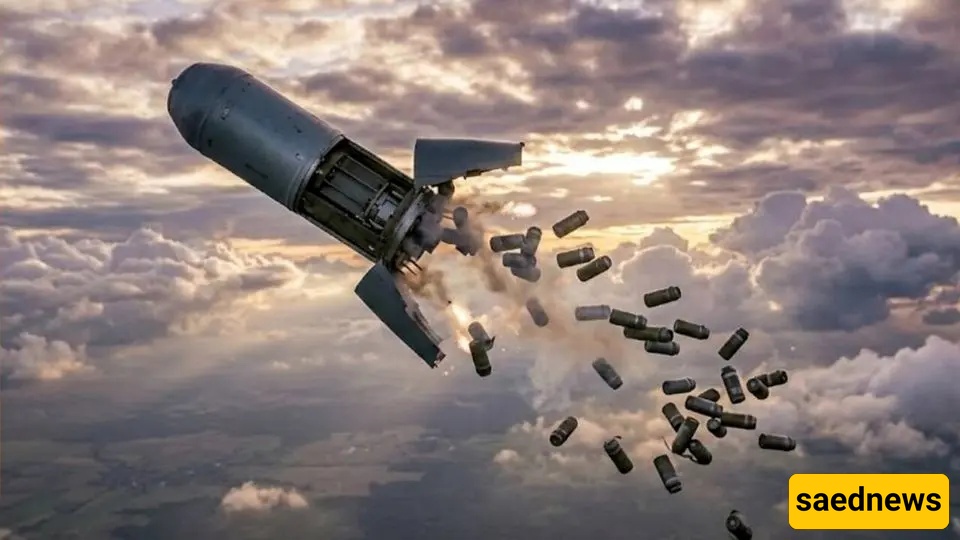
According to the Science and Technology desk of Saed News, this article offers a concise overview of rainfall (submunition payload) and cluster warheads:
Imagine watering a large garden. If you aim a hose at one spot, only that area gets wet—and the pressure might even damage the soil. But if you attach a sprinkler, water spreads evenly across the entire garden.
A rainfall warhead works in a similar way. Instead of a single large explosive, it contains hundreds or thousands of heavy metal fragments (such as pellets or steel cylinders). As the missile approaches its target, it detonates at high altitude, releasing these ნაწილ fragments downward like a “metal rain,” traveling at speeds several times faster than bullets.
The primary purpose of such warheads is to disable military vehicles, sensitive radar systems, aircraft on runways, and to create widespread fear over a large area. Importantly, these fragments do not necessarily explode—their lethality comes from their extreme velocity, allowing them to penetrate roofs and vehicle bodies like drills.
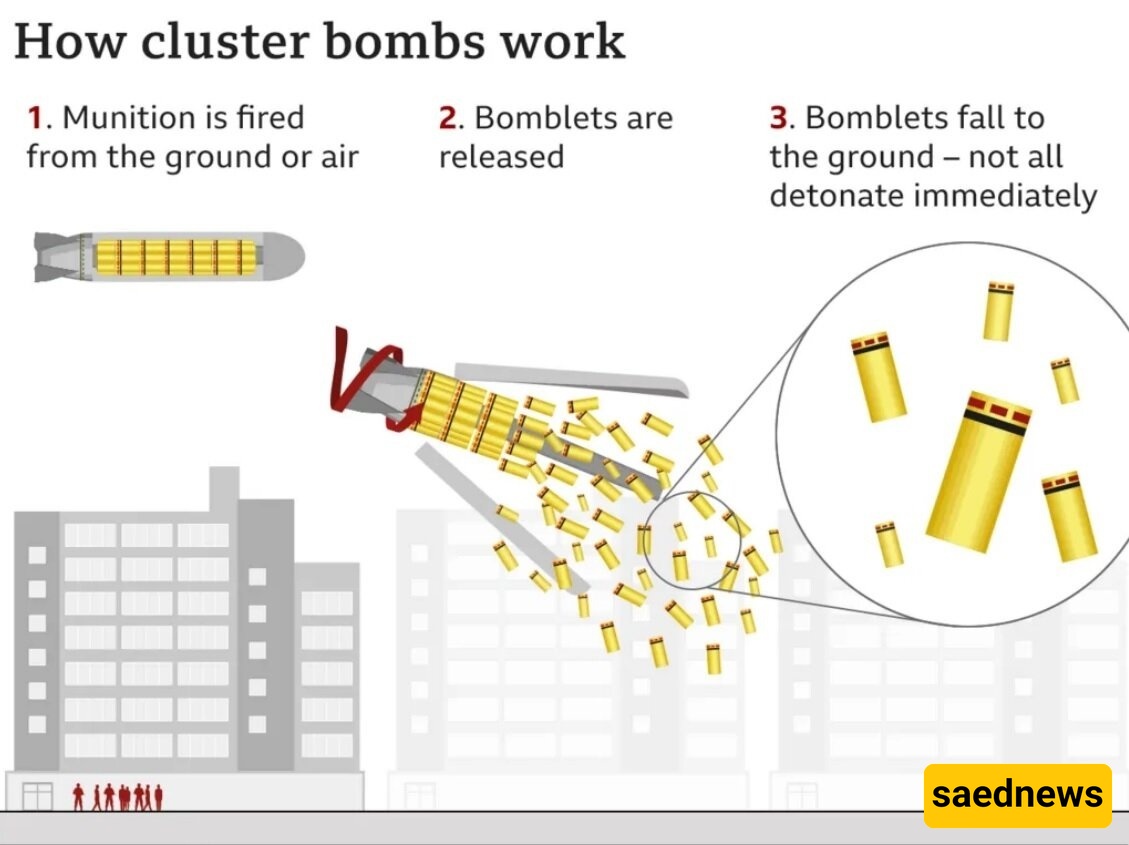
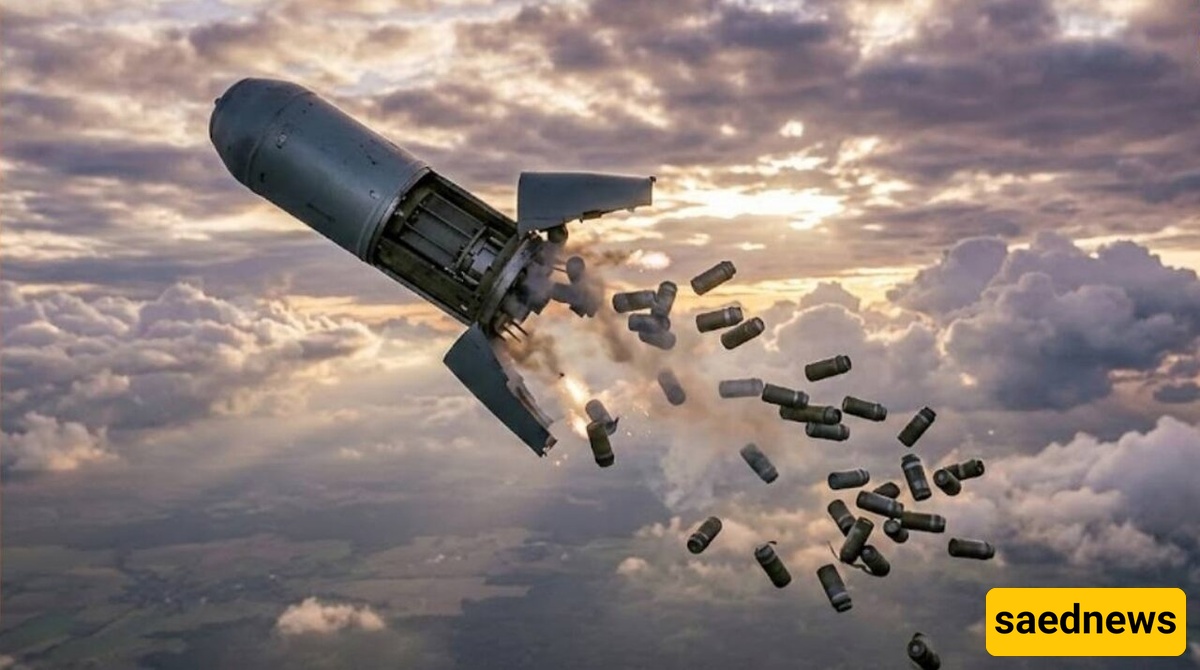
Cluster warheads are more complex. If a rainfall warhead is like pellets, a cluster warhead is like opening a sack full of small grenades in the sky.
Inside the missile’s warhead are multiple small bombs called submunitions. At a certain altitude, the missile opens and disperses these bombs over a wide area. Each submunition then detonates independently upon impact or near the ground.
The key difference is this:
Rainfall warheads destroy targets through high-speed metal impact
Cluster warheads cause destruction through multiple explosions
The answer can be summed up in two words: coverage and effectiveness.
It is much easier for defense systems to intercept a single large missile than dozens or hundreds of smaller falling objects. At the same time, destroying large areas—such as military bases or airports—requires widespread impact rather than a single explosion.
Cluster warheads are particularly effective in such scenarios because they distribute damage across an entire zone.
Contrary to popular belief, these warheads are not simple impact explosives like hand grenades. Instead, they function like small intelligent systems.
When a ballistic missile reaches the peak of its trajectory and begins descending, its onboard computer triggers the release mechanism at a precise altitude.
There are two main deployment methods:
Mechanical method (centrifugal force):
The warhead spins rapidly. When it opens, fragments or submunitions are flung outward, covering a larger area.
Gas-based method (air pressure):
A small gas charge detonates inside the warhead, pushing the contents outward in a controlled and engineered pattern.
In summary, the missile launches, reaches its apex, then descends. At a specific altitude (for example, around 500 meters), the warhead opens, dispersing its contents to blanket the target area.
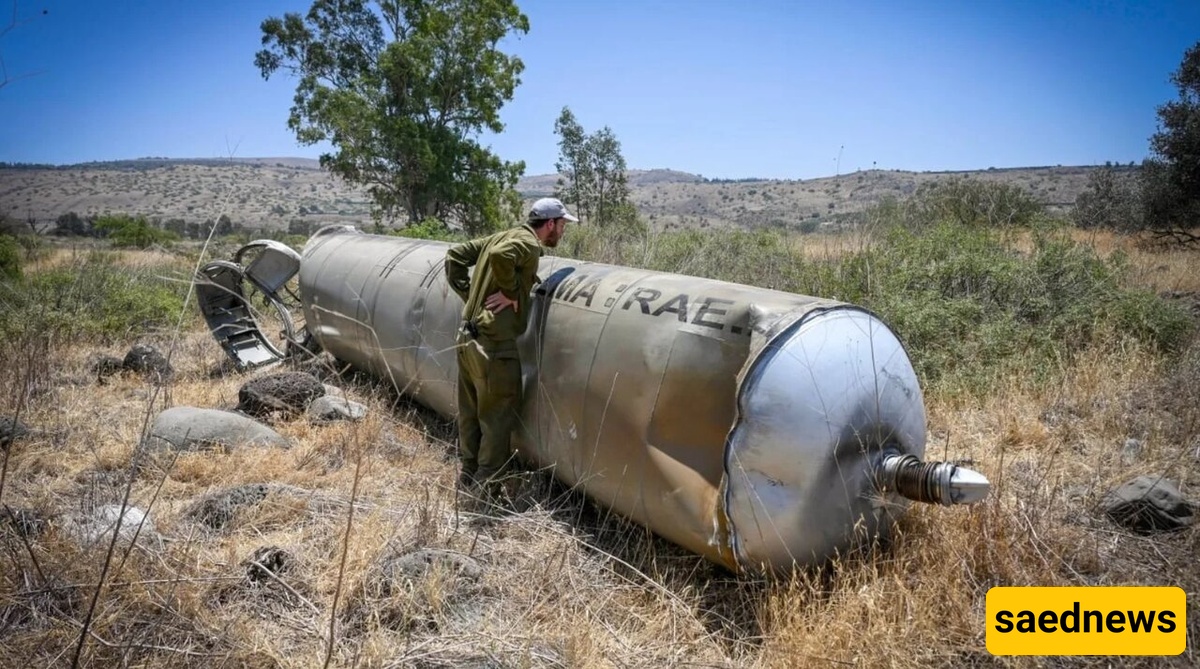
Modern radar systems, such as Arrow or David’s Sling, can track and intercept incoming missiles with high precision. However, rainfall and cluster warheads complicate this process.
When the warhead opens, radar systems that were tracking a single large object suddenly detect hundreds of smaller objects. This creates what is known as radar saturation, making it difficult to distinguish real threats from debris.
Modern warheads use altitude-sensitive fuses that rely on pressure sensors or small onboard radar systems to determine the exact moment of deployment. The outer shell is then opened using precise explosive techniques.
Air defense systems face several challenges:
Multiple targets instead of one:
A single tracked missile turns into hundreds of fast-moving objects.
System saturation:
Defense systems can engage only a limited number of targets at once. When overwhelmed, some objects inevitably pass through.
Extreme speeds:
The fragments or submunitions can reach hypersonic speeds during descent, making interception extremely difficult.
Additionally, intercepting numerous small submunitions with expensive defensive missiles is often not economically practical.
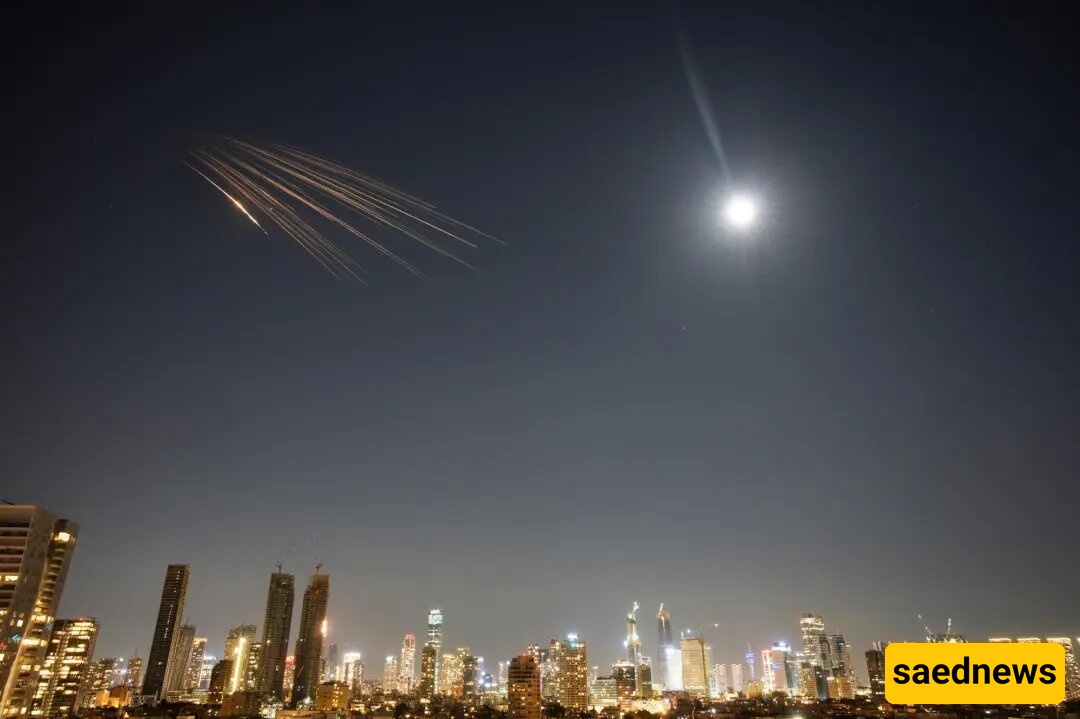
In modern conflicts, military strategies sometimes shift from precise strikes to widespread area coverage. Even if a defense system intercepts 80% of incoming threats, the remaining 20% can still cause significant damage when dispersed over a wide area.
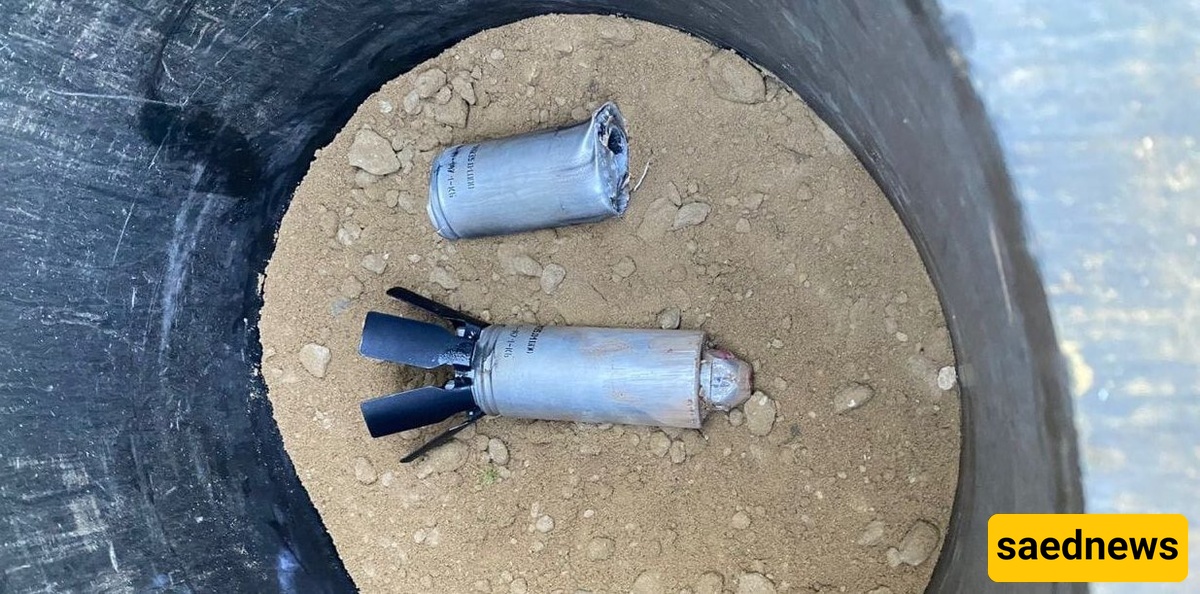
One major concern with cluster warheads is that some submunitions may fail to detonate upon impact, remaining on the ground like landmines. As a result, any unfamiliar metallic object or small cylinder in affected areas can pose a serious danger even after an attack.