SAEDNEWS: If, after a mosquito bite, you experience pain and fatigue in addition to the symptoms mentioned, it is better to be examined by a doctor. This is because only a physician can determine whether it is just an irritating bite or something more serious.
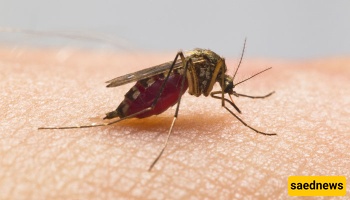
According to Saednews report and a medical article:
If you are in nature and get bitten by insects, when should you take insect bites seriously? This article reviews insect bites.
Have you ever wondered what happens in your body when you scratch a mosquito bite? Or why insect bites cause itching? Which bites are serious or concerning? In this section, we answer these questions.
Although scratching a mosquito bite may seem harmless at first, it can lead to further consequences. According to entomology experts at the University of Florida, a mosquito bite occurs when a female mosquito uses its proboscis to explore the surface of your skin and reach capillaries. Once the proboscis penetrates the skin, the mosquito injects its saliva under the skin.
Mosquito saliva contains a protein that the immune system recognizes as a foreign substance. As a result, the body reacts strongly at the bite site, causing swelling and itching. This usually occurs one or two days after the bite. In addition to itching, allergic reactions or infections may also occur.
To determine whether a mosquito bite may be causing complications, pay attention to the following signs:
Burning or stinging sensation occurs when the skin releases a substance called histamine in response to potentially harmful agents such as mosquito saliva
Histamine causes blood vessels around the bite area to swell and form a raised bump
It also irritates nerves, leading to itching
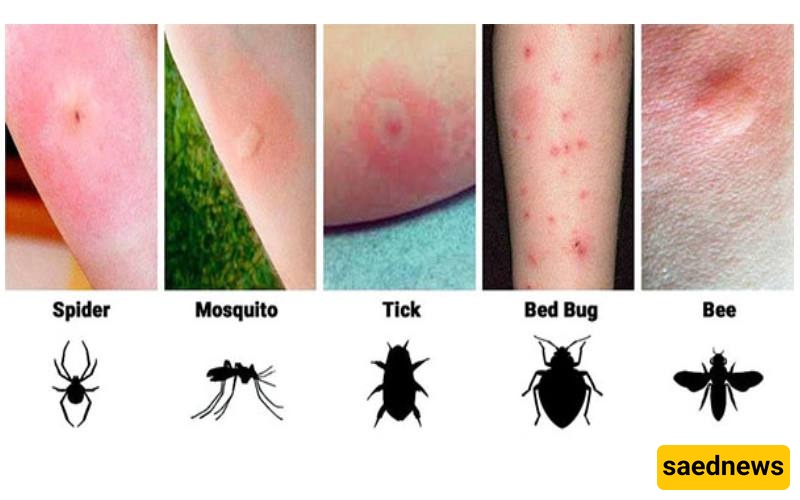
If, after a mosquito bite, you experience additional symptoms along with the usual signs, you should see a doctor. Only a physician can determine whether it is a simple bite or something that requires more attention.
Possible warning symptoms include:
Fatigue
Fever
Restlessness
Headache
Rash
General discomfort
Swelling of the throat
Research shows that mosquitoes can detect humans from up to 150 feet away due to the carbon dioxide you exhale when breathing. This helps them locate a potential food source.
Mosquitoes follow the smell of carbon dioxide against the wind to find their target. When they get closer, they also use other cues such as heat and body odor. At about 30 feet away, they can detect humans more clearly, and at very close range, they rely on heat and moisture to land and bite.
Once within about an inch, the mosquito confirms it is a human and bites.
Studies suggest that people with blood type O attract more mosquitoes compared to those with blood types A, B, or AB.