SAEDNEWS: The Arabian Sea, covering an area of 3.86 million square kilometers, is one of the world’s most important maritime regions for global trade and energy security.
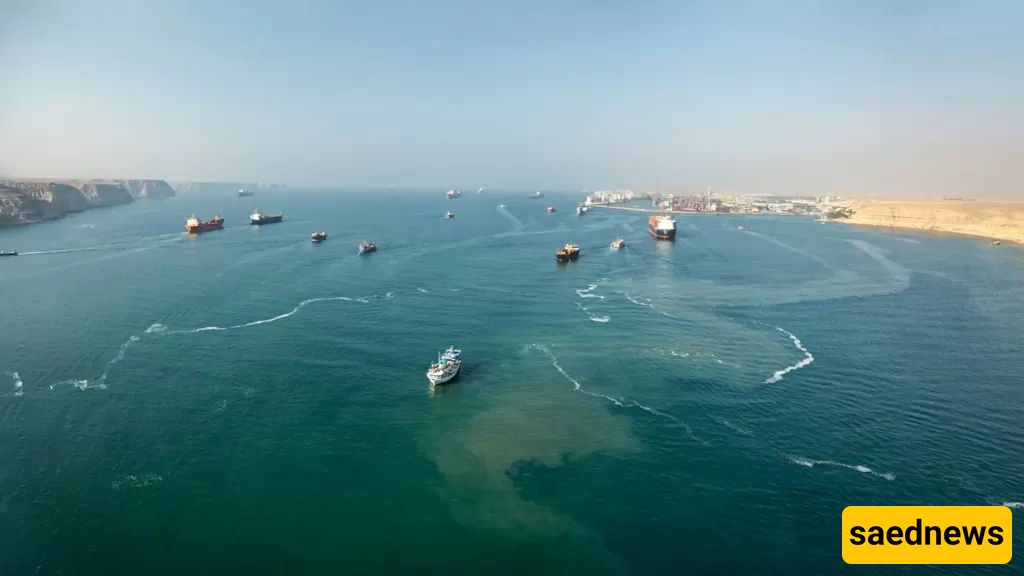
According to Saednews, The Arabian Sea is bordered to the west by the Arabian Peninsula and the Gulf of Aden, to the north by the coasts of Iran and Pakistan, to the east by India, and to the south by the open waters of the Indian Ocean.
Countries such as Iran, Oman, Pakistan, India, Yemen, and Somalia have direct access to this vast body of water.
Covering approximately 3,862,000 square kilometers, the Arabian Sea is the third-largest sea in the world by area. Today, based on the definitions used by the International Hydrographic Organization and the International Maritime Organization, the Arabian Sea is considered the body of water extending from the Gulf of Oman along the coasts of India and Pakistan, part of Iran's eastern coastline, and toward the coast of Djibouti in the Horn of Africa.
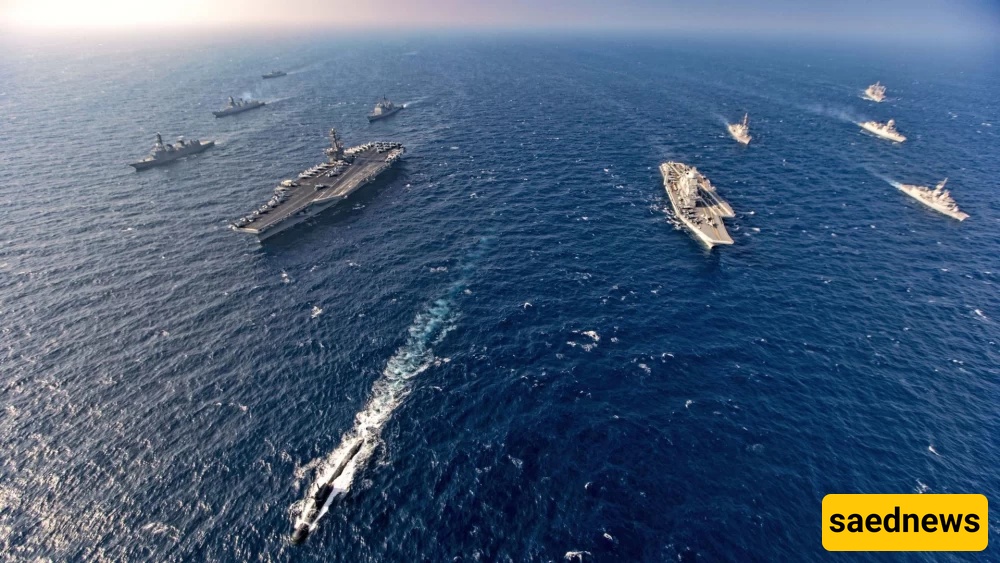
The Arabian Sea covers approximately 3.8 million square kilometers and is considered one of the deepest seas in the region.
The sea is strongly influenced by monsoon winds. Its seasonal changes play an important role in the climate of South Asia, India's rainfall patterns, and maritime navigation conditions.
Throughout history, the Arabian Sea has been known by various names. In ancient historical and geographical sources, this body of water has been referred to by names such as:
Bahr-e Fars
Bahr-e Ajam
Makran Sea
Indian Sea
Erythraean Sea
The widespread use of the name “Arabian Sea” became more common in later periods and was influenced in part by Western geographical literature.
According to international hydrographic definitions, the Arabian Sea extends:
West: from the Gulf of Aden and the Arabian Peninsula
North: along the coasts of Iran and Pakistan
East: to the coastal waters of India
South: toward the Maldives archipelago
Its strategic location has made the Arabian Sea one of the world's major international shipping routes, facilitating commercial connections between Asia, the Middle East, and Europe.
The Arabian Sea is one of the world's most important maritime trade routes. A significant share of oil, natural gas, and essential commodities exported from countries around the Persian Gulf and the Gulf of Oman reaches global markets through this sea.
Several major ports operate around the Arabian Sea and play a vital role in the economies of the surrounding countries and the wider region.
The Arabian Sea is connected to the Persian Gulf through the Gulf of Oman. This connection forms part of critical energy routes extending from the Strait of Hormuz into the Arabian Sea and onward to the Indian Ocean.
Because of the enormous volume of energy and commercial goods transported through these waters, the route has strategic importance for the global economy.
Iran's southeastern coastline is connected to the Arabian Sea through the Gulf of Oman. This geographical position plays an important role in providing Iran with maritime access to international waters.
As a result, the Arabian Sea is one of the most important maritime routes associated with Iran and its access to international shipping networks.