SAEDNEWS: Kangan Port is located in Bushehr Province, near the city of Bushehr. To enjoy a memorable trip to this fascinating coastal port, it is helpful to explore and discover its most notable tourist attractions.
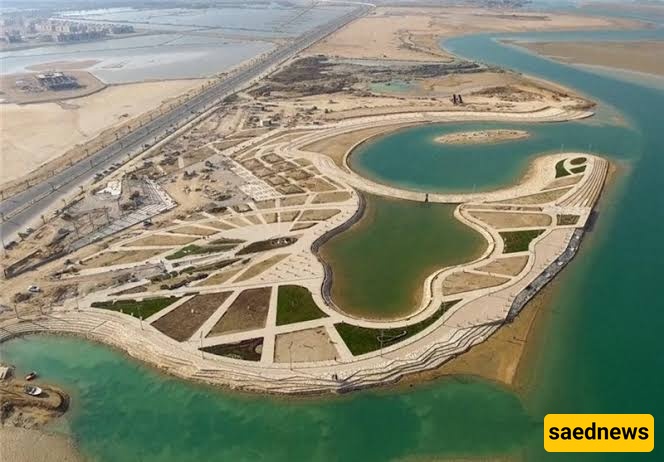
According to Saednews, Kangan County is one of the counties of Bushehr Province in southern Iran. The county’s administrative center is the city of Bandar Kangan.
In Bandar Kangan, Bushehr Province, visitors can experience the intersection of modern industry with the region’s long-standing traditions of fishing and agriculture. The hardworking people of this scenic port cultivate wheat and barley in its fertile lands.
The port’s proximity to the deep blue waters of the Persian Gulf has also made fishing one of the most thriving occupations in the area.
The Darreh-e Lir Reservoir is a historic structure dating back to the early centuries after the advent of Islam. It was registered on Iran’s National Heritage List in 2008.
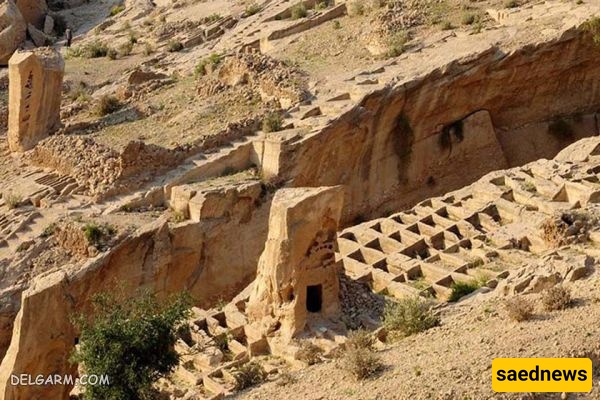
The Bandar Siraf Museum was established through the efforts of local residents. It presents the history of Siraf, accounts of the lives of prominent figures and rulers of the city, as well as a collection of old vessels and artifacts.
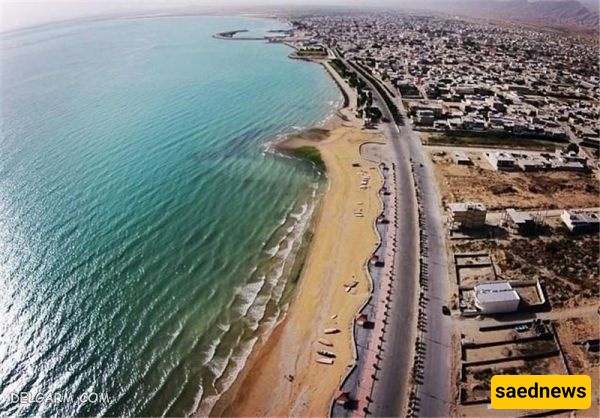
The Sheikh Jabbar Nasouri Mansion belonged to the Nasouri family and is more than 200 years old.
The mansion was built on a high hill overlooking the sea. It features two courtyards—an inner and an outer courtyard—as well as a royal reception hall. Eighteen paintings depicting scenes from Ferdowsi’s Shahnameh adorn the western veranda.
Sheikh Jabbar II, the grandfather of Sheikh Nasser Nasouri, constructed the mansion during the early Qajar period.
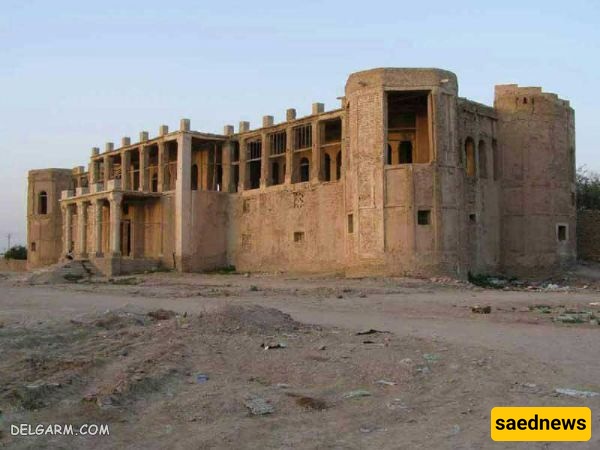
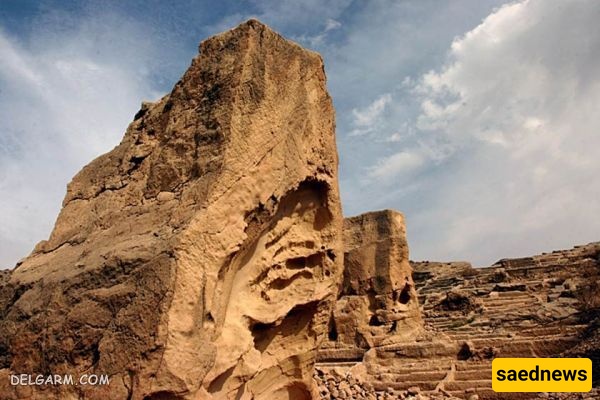
The original purpose of the ancient rock-cut structures in the Siraf Mountains remains a subject of debate among archaeologists. To the north of Siraf are hills covered with numerous cavities carved side by side into the rock.
The hills are separated by two valleys known as Lir and Shilo. Numerous stone-cut depressions can be found across these hills, commonly referred to as ancient rock-cut structures.
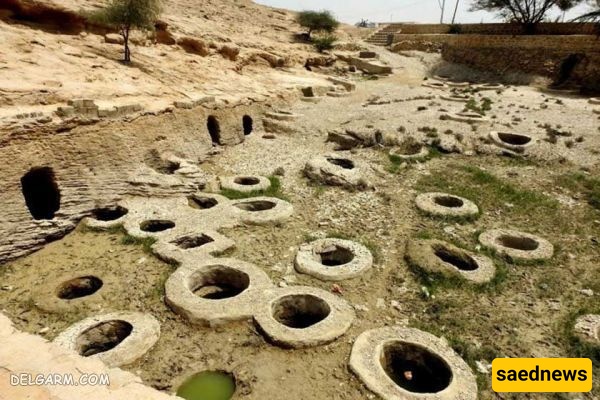
The stone wells of Bandar Siraf consist of nearly 100 water wells located in the Lir and Shilor valleys. Some of these wells reach depths of up to 130 meters and contain water during certain seasons of the year.
The Graveyard of Civilizations is one of the most remarkable historical sites in the area. Despite two devastating earthquakes that occurred in 327 and 496 AH, the site has remained remarkably intact.
People from different religions and cultural backgrounds were buried in this cemetery, which is why it became known as the “Graveyard of Civilizations.”
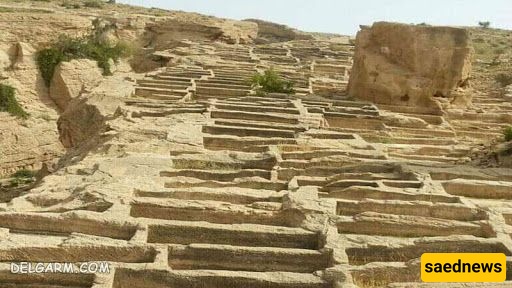
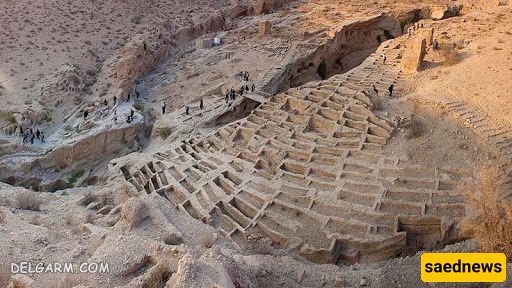
The ancient tombs of Siraf are located on the slopes of the northern mountains. Some archaeologists believe they were basins used to collect and store rainwater, while others identify them as rock-cut graves.
It is believed that their original purpose was to collect rainwater. Some of the basins have overflow channels designed to direct water into the basin below once they became full.
It is also possible that these basins were later used as graves during events such as earthquakes or outbreaks of plague, when the rapid burial of the dead may have been necessary.
Sibawayh’s Tomb is the burial place of the renowned scholar Sibawayh and his brother Nur al-Din, both Sunni scholars. The tomb is located in the Lir Valley.
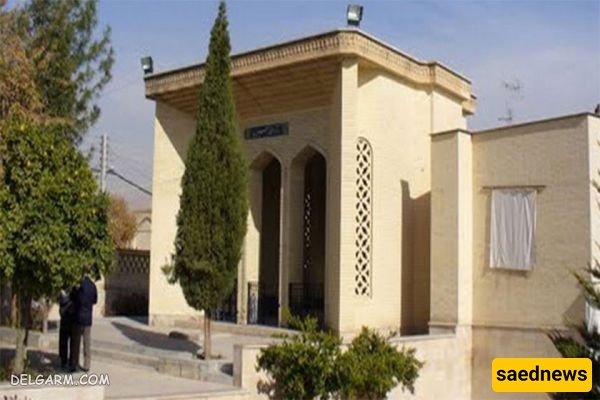
The mausoleum of Qutb al-Din Shirazi, a prominent Iranian scholar of the seventh century who played an important role in the development of philosophy, natural sciences, medicine, and the arts, is located in the Martyrs’ Cemetery of Bandar Siraf.
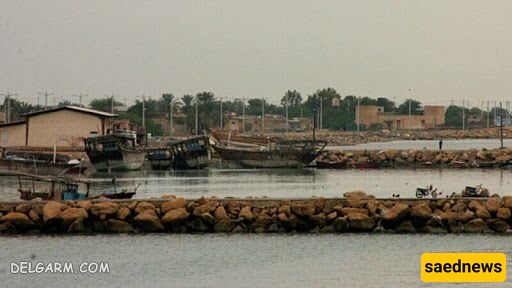
Imam Hasan al-Basri Mosque stands on a small hill overlooking the Martyrs’ Cemetery in the port. The mosque dates back to the Ilkhanid period and was built over the ruins of a Sasanian fortress.
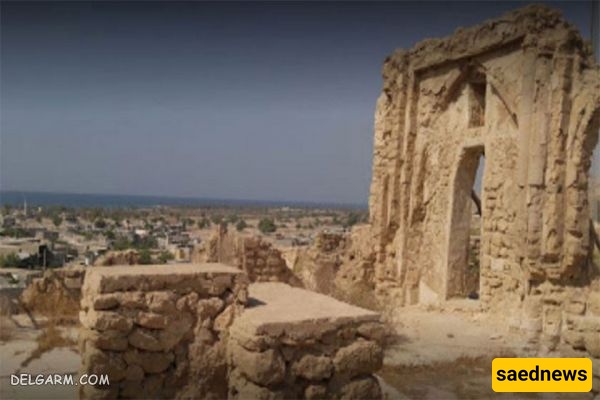
Before the earthquake, the mosque was considered one of the oldest minaret-bearing mosques in the Islamic world. Following the earthquake, restoration work brought several changes to the structure.
The mosque and its central courtyard are generally square in shape, making it one of the simplest examples of mosque architecture.