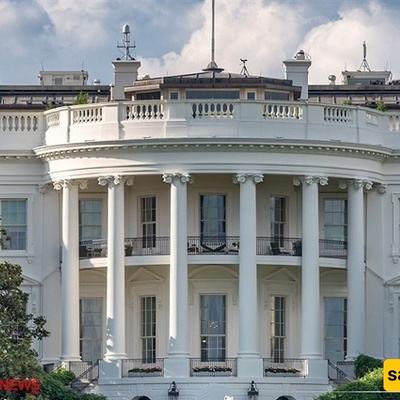
SAEDNEWS: In Spanish, Casablanca means “White House.” It is Morocco’s most important city and a major commercial port. Casablanca is also one of the most expensive destinations to travel to.
According to Saednews, Casablanca is one of Morocco’s most fascinating destinations, known for its distinctive landscape, beautiful coastline, elegant architecture, and lively cultural atmosphere. What makes the region particularly special is the rare combination of desert scenery and the ocean. This creates spectacular coastal landscapes, somewhat reminiscent of Iran’s Darak Beach near Chabahar.
Casablanca’s beaches are remarkable, where white sands meet the waters of the Atlantic Ocean. Beyond the coastline, the city itself has plenty to offer. Charming boutique hotels, whitewashed buildings, and impressive city views make Casablanca an excellent destination for photography.
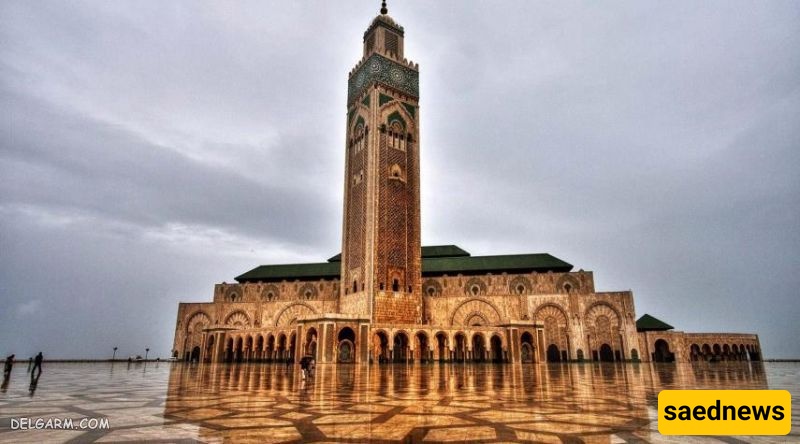
One of the city’s most famous landmarks is the Hassan II Mosque. Its impressive minaret rises about 200 meters and is one of the tallest minarets in the world. The mosque is decorated with marble, intricate tilework, and beautiful architectural details, creating a truly impressive sight.
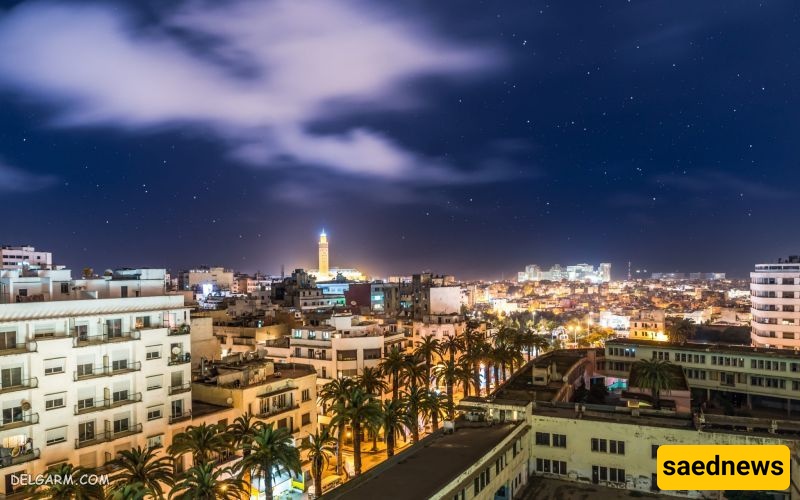
The city’s distinctive white buildings have given Casablanca its unique character. In Spanish, Casablanca means “White House.” As Morocco’s major commercial center, the city is an important economic hub in Africa.
Casablanca offers an interesting combination of tradition and modernity. Visitors can find stylish hotels, elegant restaurants, excellent shopping areas, and historic neighborhoods where some buildings date back centuries.
Historic and Tourist Attractions in Casablanca
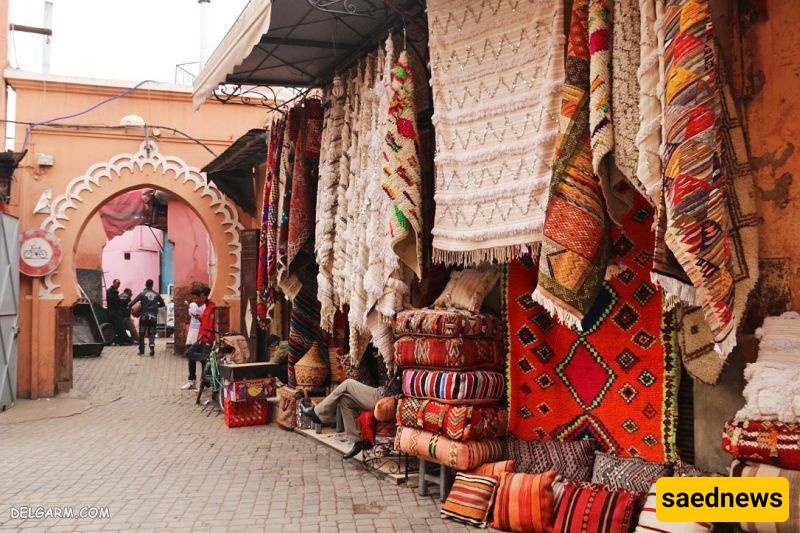
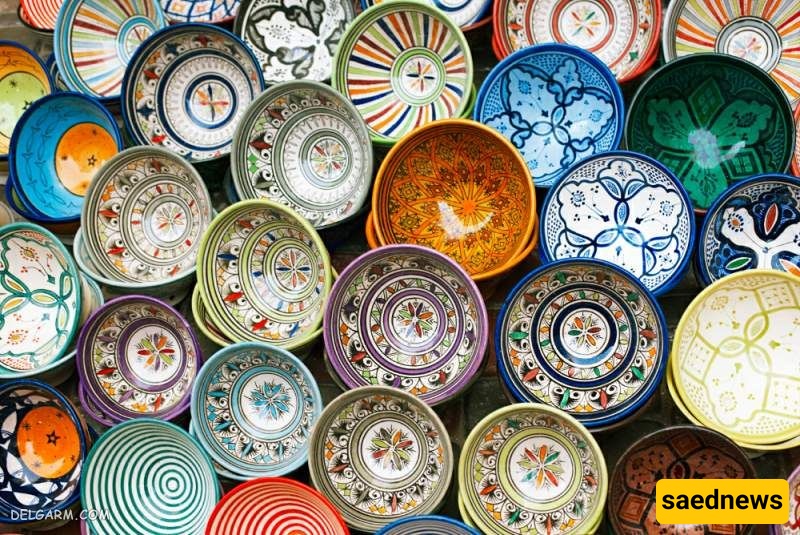
Casablanca’s traditional markets and handicraft shops are full of colorful designs, patterns, and vibrant products. Exploring the old quarter is an essential part of the experience.
The historic part of the city is known as the Medina, where local life continues amid narrow streets, traditional shops, and a lively atmosphere.
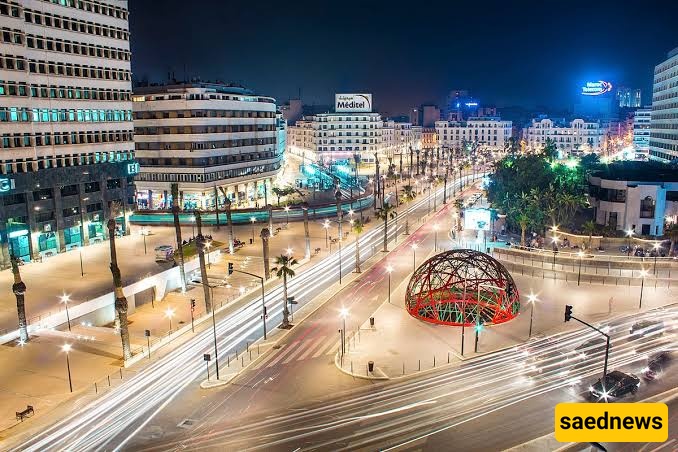
Mohammed V Square is another notable attraction. Located in the historic center, it is surrounded by important government buildings and other major institutions. The square is particularly beautiful at night thanks to its attractive lighting.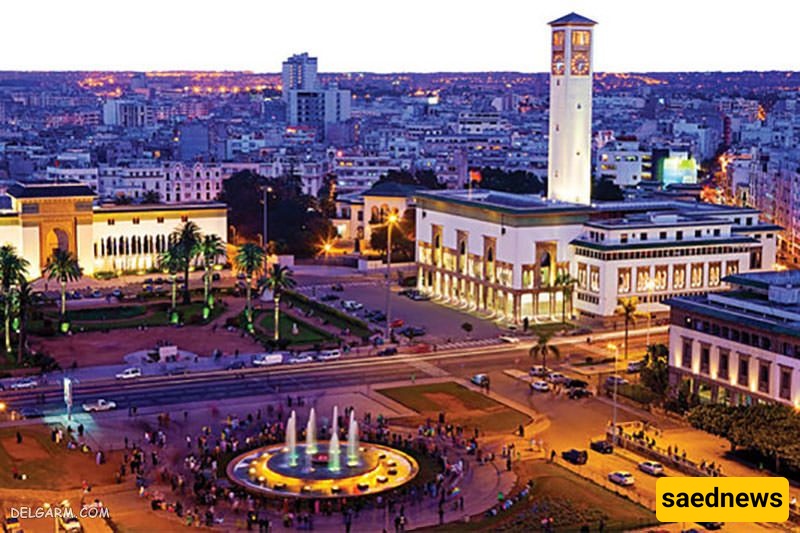
Construction of the Hassan II Mosque took approximately five years. The mosque is a remarkable combination of Moroccan culture and architecture, featuring exquisite tilework, marble columns, detailed stonework, and impressive craftsmanship.
The mosque is large enough to accommodate more than 100,000 worshippers at once. Visitors should note that access for non-Muslims is restricted, although guided tours may allow visitors to explore certain areas under specific conditions.
The old part of Casablanca is filled with shops where visitors can easily spend several hours browsing. Traditional handicrafts, colorful textiles, leather goods, and other local products create a fascinating contrast with the modern side of the city.
Public baths, known as hammams, have traditionally played an important role in Moroccan culture. Casablanca’s historic hammams can offer visitors an interesting glimpse into local traditions and architecture.
Mohammed V Square is one of the city’s principal landmarks. At night, it becomes particularly attractive with its lights and colors. The square is surrounded by impressive buildings dating from the French colonial period.
Several important institutions are located around the square, including government banks, the city’s main post office, and the French Embassy.
Most international visitors arrive in Casablanca through Mohammed V International Airport, located roughly 45 minutes from the city center by taxi, depending on traffic.
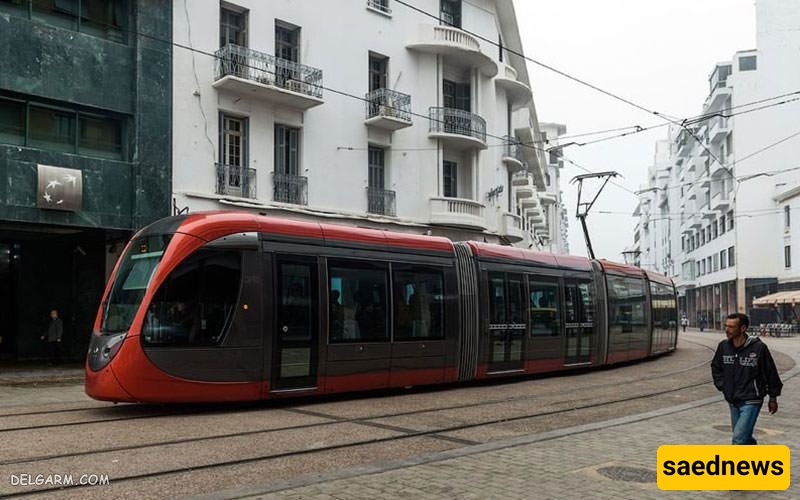
Casablanca is also accessible by train, which can be a convenient and relatively affordable option for travelers.
Visitors traveling from the United States, South Africa, the Middle East, and many European countries can find direct flights to Morocco. For travelers looking to reduce transportation costs, trains, buses, and ferries can provide alternative ways of reaching Casablanca.
Traditional handicrafts make excellent souvenirs. Handmade shoes and slippers, traditional leather bags, and other locally crafted products are popular choices.
Moroccan spices are also worth buying, particularly for visitors interested in bringing home a taste of the country. Traditional African herbal products can also make interesting souvenirs.
Because the sun can be strong even during winter, sunscreen is an important item to have while exploring the city.
Visitors should also be aware that eating with the hands is a traditional practice in Morocco and can be considered perfectly normal, particularly when enjoying certain local dishes.
Breakfast is often served later than travelers from some countries may expect. If you plan to start exploring early in the morning, it is a good idea to arrange breakfast in advance or be prepared to wait until local cafés and restaurants open.
Visitors should also respect local customs when visiting mosques and follow any rules regarding appropriate dress and behavior.
Finally, make sure to try traditional Moroccan cuisine during your stay. Many local dishes are halal and offer an excellent introduction to the country’s rich culinary culture.