SAEDNEWS: Stonehenge in southern England is one of the great stone monuments built by ancient peoples in Europe.
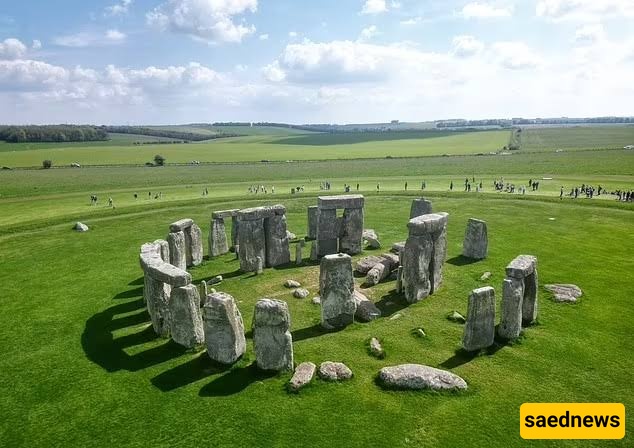
According to Saednews, Stonehenge is located on Salisbury Plain in England. You only need to look at this remarkable monument for a moment before asking yourself: How were these enormous stones transported and arranged? What force could have been used to move them, and most importantly, why were they placed there in the first place?
Despite extensive research by archaeologists and scientists, many questions surrounding Stonehenge remain unanswered. However, new discoveries are gradually revealing more about this mysterious prehistoric monument.
One of the projects that helped uncover new information about Stonehenge involved underground imaging of the surrounding area. Researchers discovered evidence suggesting that the stones may once have been part of a much more complex landscape, including possible ceremonial sites, mysterious settlements, and other structures. Even so, the images have not provided all the answers. Instead, they have shown that the history of Stonehenge may be far more complicated than scientists previously believed.
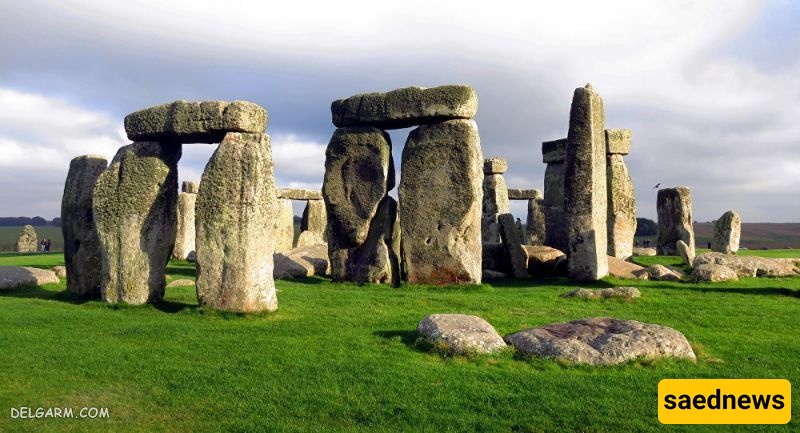
There are many legends about the origins of Stonehenge. One famous story claims that Merlin, the legendary wizard associated with King Arthur, brought the stones from Ireland to Stonehenge during the fifth century.
According to archaeological research, construction at Stonehenge began around 3100 BC, making the monument older than the Egyptian pyramids.
Scientists have proposed several theories about how Stonehenge came into existence. Some once believed that the stones had been transported to the area by glaciers. However, the discovery of two ancient quarries in the Preseli Hills challenged this theory and provided evidence that at least some of the stones were deliberately transported by people.
Given the enormous weight of the stones, many experts believe that the monument required a huge amount of human labor over a long period of time.
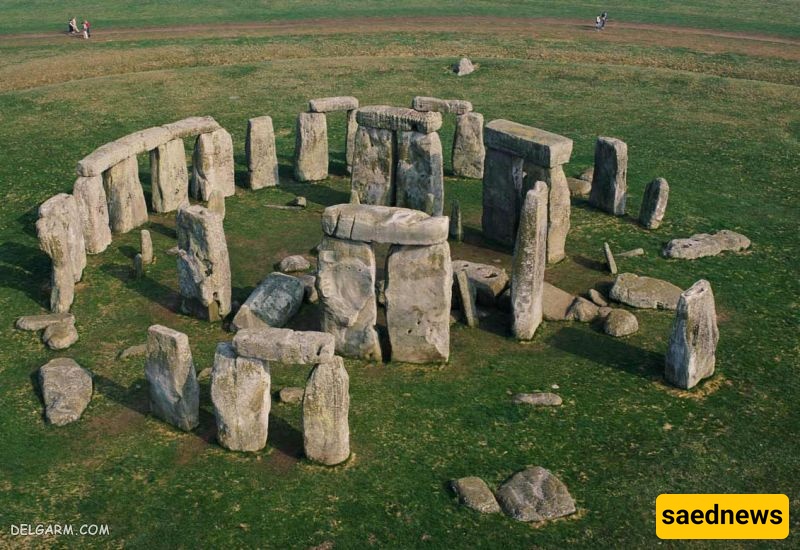
Two main types of stones can be found at Stonehenge: enormous sarsen stones and smaller bluestones. Some of the larger stones weigh several dozen tonnes. When visitors enter the monument area, there are two main access points: the principal entrance lies on the northeastern side, while a smaller entrance is located toward the south.
Vincent Gaffney, a professor of archaeology at the University of Bradford and one of the directors of the research project, has explained that although the investigations may not have produced all the answers researchers hoped for, they have revealed where future discoveries are most likely to be made.
According to Gaffney, uncovering the secrets of Stonehenge could help researchers understand not only the monument itself but also the wider landscape surrounding it, potentially revealing important parts of Britain's ancient history.
During the research, archaeologists also discovered a group of wooden posts. Although these posts may not completely change our understanding of the site, their discovery was significant. Around 300 wooden posts were identified, and without the advanced surveys used in the project, researchers might never have known they existed.
Another prominent archaeologist who has studied Stonehenge extensively believes that these wooden posts were temporarily placed in the ground and may have been used as markers during prehistoric activities.
Whatever their exact purpose, one thing is clear: even after centuries of investigation and decades of modern archaeological research, Stonehenge still has new stories to reveal. Each discovery raises new questions and continues to surprise archaeologists, proving that this ancient monument remains one of the world's most fascinating archaeological mysteries.