SAEDNEWS: Cuexcomate: A Dormant Hot Spring and Mud Volcano
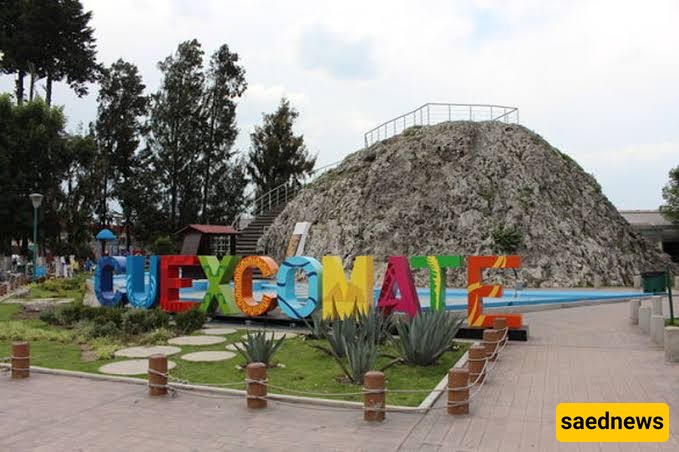
According to Saednews, In the La Libertad neighborhood of Puebla, Mexico, there is a small park that looks much like any other. It has benches, a fountain, flowers, and grass. But what makes this park truly unique is a dormant volcano sitting quietly in the middle of it.
Mexico is home to thousands of volcanoes, some of which are truly spectacular. But this may be the only one where visitors can descend a spiral staircase and actually explore its interior. Its name is Cuexcomate.
A volcano is a geological formation through which volcanic materials—molten rock, gases, solid fragments, or a combination of all three—reach the Earth's surface from deep underground.
As these materials accumulate around an opening, they can form elevated structures known as volcanoes. Many are so enormous that their interiors may never be seen. Cuexcomate, however, is very different. It is often described as the smallest volcano in the world.
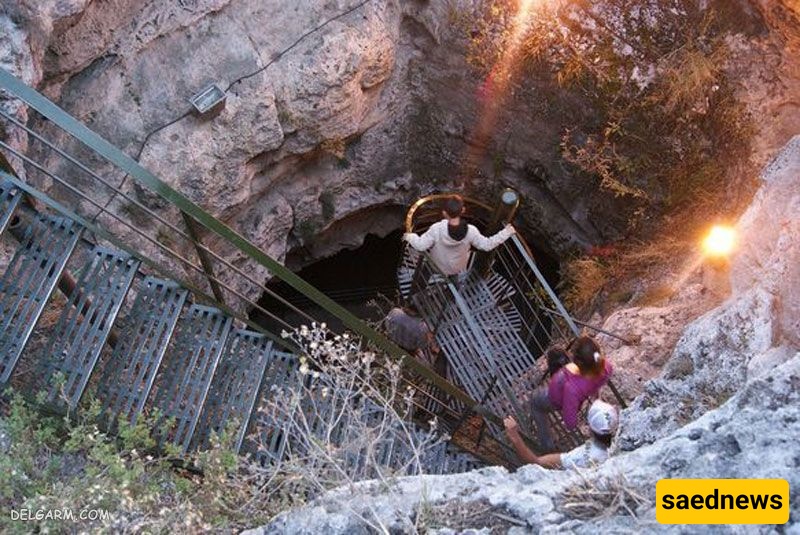
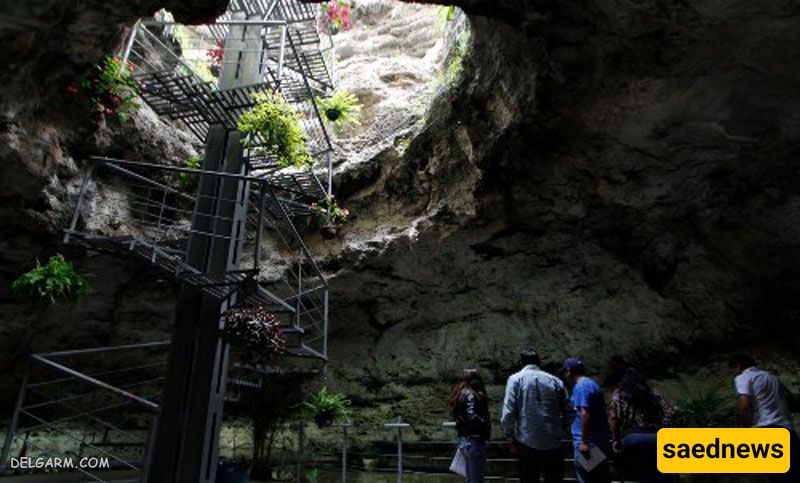
Cuexcomate is believed to be a dormant hot spring or possibly a mud volcano. It appears to have been formed by an interaction between magma and sulfur-rich water following an eruption in 1064. The structure is hollow, with an opening about 23 feet wide at its summit. Through this opening, visitors can descend into the natural formation using a metal spiral staircase installed inside.
A volcanic eruption may have triggered the flow of hot springs in the area. These waters, emerging through layers of limestone, deposited minerals such as calcite and silicates. Over time, these deposits accumulated and formed a massive mound measuring approximately 13 meters high and 23 meters wide, giving it the appearance of a miniature volcanic cone.
The cone is hollow, with an opening of roughly seven meters at the top. Visitors can descend into its interior using the iron spiral staircase.
Inside, you can see the rocky walls that formed the structure. Water flows across part of the floor, while vegetation has grown in some areas, creating an unusual natural environment beneath the city.
Outside Cuexcomate, there is a sign installed in 1970 that includes an account attributed to a visitor who reportedly saw the formation in 1585. It describes the site as:
“A great rock standing alone in a corner, round in appearance, with a large well-like opening at its summit. It is very deep, and a foul smell rises from within.”
The same sign also states that, in the past, people entered the cone and made offerings to their gods. Later, according to the account, the bodies of people who had died by suicide were placed inside the formation because it was believed that they should neither be mourned nor buried.
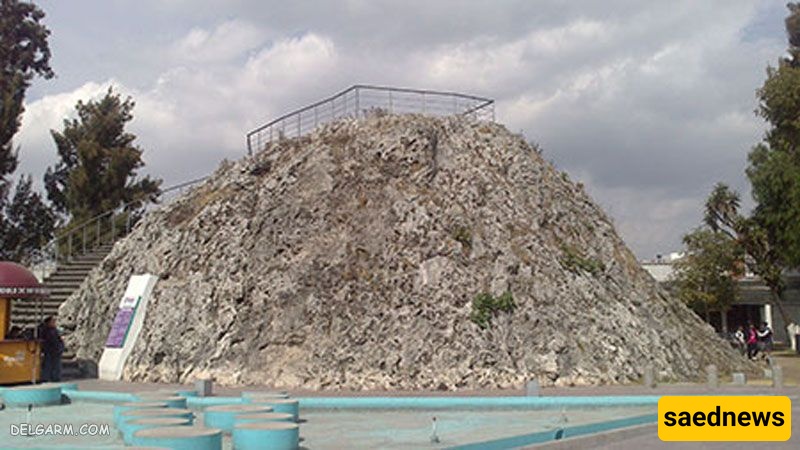
Once standing alone on the quiet outskirts of Puebla, Cuexcomate is now surrounded by urban development and has become one of the city's unusual tourist attractions. Visitors travel to the outskirts of Puebla to descend into the formation and explore the interior of what is often called the world's smallest volcano.