SAEDNEWS: The same route can feel shorter or longer depending on whether you are traveling toward a destination or returning home. Familiarity, attention, expectations, and the way the brain perceives the passage of time can all influence this experience.

According to SAEDNEWS, it is common to feel that the journey to a destination takes longer than the return trip, even when both routes require nearly the same amount of time. The difference is usually related to how the brain processes time and experiences during travel rather than an actual change in travel duration.
Before reaching a destination, people may pay closer attention to how much time remains. Looking at the road, checking the distance, or thinking about the expected arrival can make the journey feel longer. When returning, expectations are often different because the traveler already knows roughly how long the trip will take.
A familiar route can feel shorter because the brain does not need to process as much new information. On the return journey, landmarks, turns, and surroundings may already be recognizable. Less attention to these details can make the passage of time seem faster.
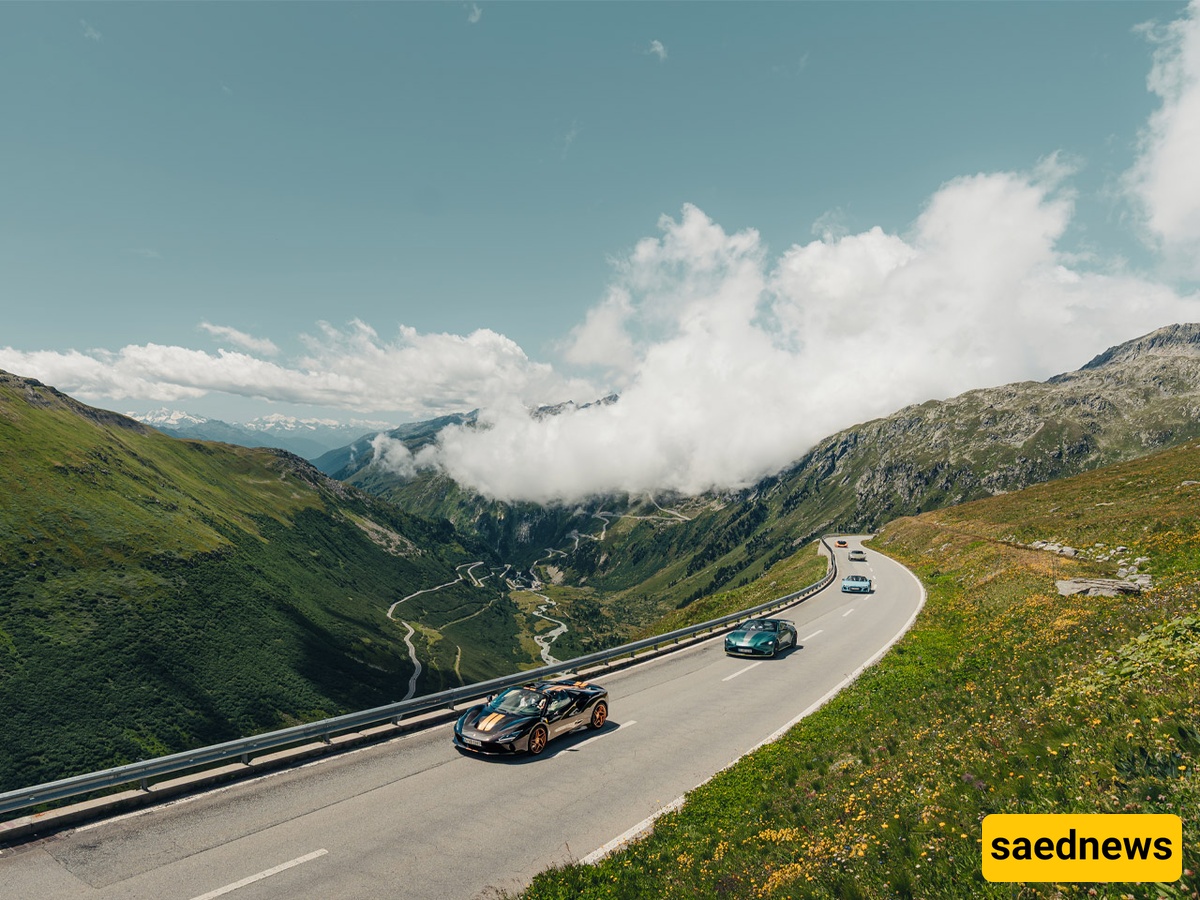
The outward trip may involve unfamiliar sights, directions, and surroundings. Although these experiences can make a journey interesting, they also create more mental activity. The brain may form many new memories, which can influence how long the journey seems when remembered later.
Time perception is strongly influenced by attention. When someone is focused on reaching a destination, minutes may seem to pass slowly. During the return trip, attention may shift toward conversation, scenery, planning the next activity, or simply relaxing, making the same amount of time feel shorter.
The difference is mainly a psychological effect rather than evidence that one direction is physically faster. Traffic, road conditions, stops, and route changes can certainly alter the actual travel time, but when these factors are similar, differences in expectation, familiarity, attention, and memory can explain why the outward and return journeys feel unequal.