SAEDNEWS: Chora Church, also known as the Chora Church, is one of the remarkable landmarks that has profoundly shaped our understanding of Istanbul’s history and the cultural heritage of its people.
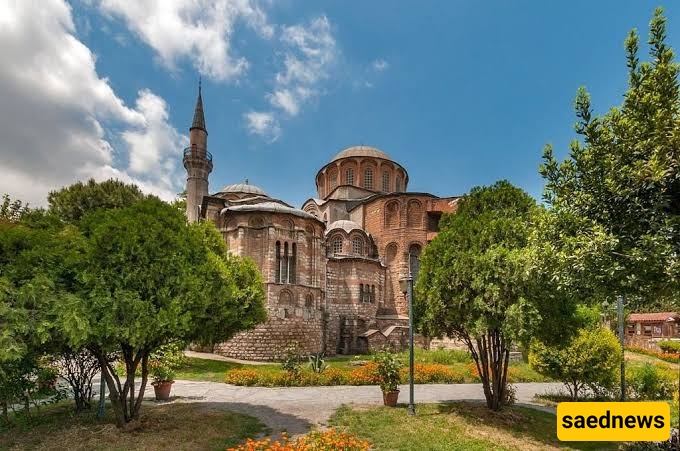
According to Saednews, Chora Church, also known as the Chora Museum or Kariye Museum, is one of Istanbul’s fascinating historical attractions. Its name may not be as familiar as some of the city’s more famous landmarks because it has often remained in their shadow. However, visitors staying in Istanbul for more than a week are highly recommended to explore this remarkable monument. Its extraordinary architecture, mosaics, and historical significance make it a place that can capture anyone’s attention.
Today commonly associated with the Kariye Museum, Chora Church is one of Istanbul’s important historical sites and attracts many visitors. Nevertheless, its remarkable architectural and historical value is sometimes overlooked because of the popularity of other landmarks in the city.
Kariye Church, or Chora Church, is considered one of the finest surviving examples of Byzantine architecture, particularly because of its exceptional mosaics and decorative artwork.
The church was originally built in the early 4th century, at a time when the area was outside the boundaries of Constantinople. The name “Chora” is Greek rather than Turkish and means “countryside” or “outside the city.” This name reflects the church’s original location beyond the city walls.
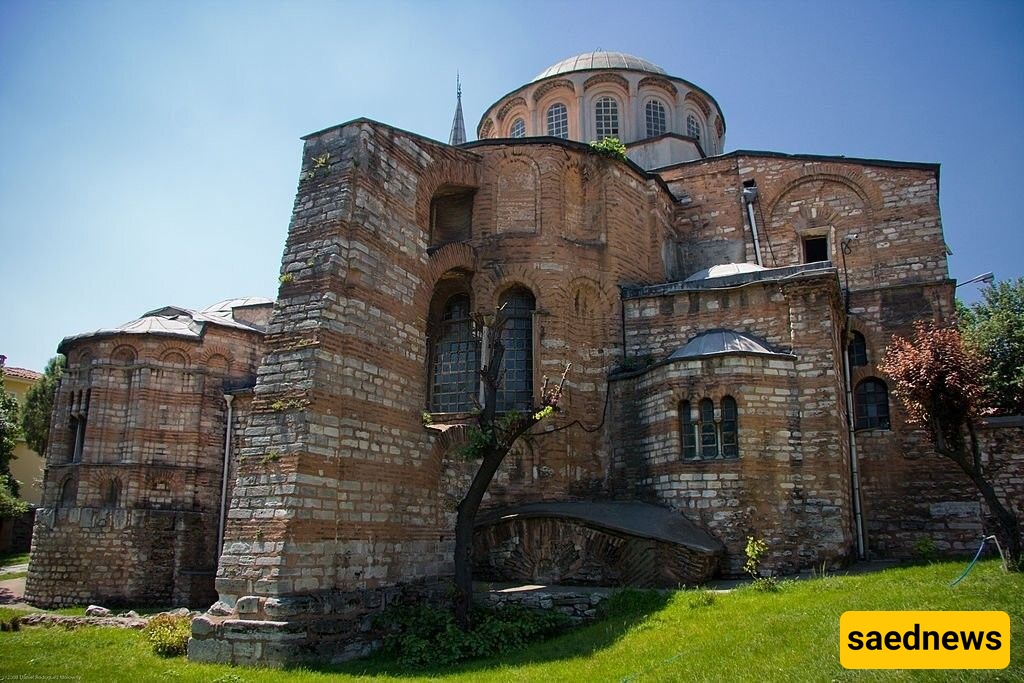
Chora Church is also associated with the title “Church of the Holy Savior.” Interestingly, the building began as a small and relatively simple religious sanctuary intended mainly for travelers who wanted a place to pray and perform religious rituals.
Following an earthquake, the church was severely damaged and remained abandoned for centuries. As Constantinople expanded and the surrounding area gradually became part of the city, the church gained greater importance.
In the 11th century, the church was restored under Maria Dukaina. It was damaged again by an earthquake during the 12th century and subsequently repaired under Isaac Komnenos, an important Byzantine official.
The building underwent several additional restorations over the centuries. Its most significant transformation took place during the 14th century under Theodore Metochites, a Byzantine statesman and patron of the arts. Many of the mosaics and frescoes that visitors admire today date from this period.
After the Ottoman conquest of Constantinople, Chora Church was converted into a mosque, following the Ottoman practice of adapting existing religious buildings for new purposes. The remarkable Byzantine mosaics were covered with layers of plaster rather than being destroyed.
A mihrab and minaret were also added as part of the conversion.
Following the end of the Ottoman Empire, specialists and scholars of Byzantine art began studying and restoring the building. Restoration teams carefully removed the plaster that had covered the original mosaics and decorative artwork.
In 1958, the building was opened to the public as a museum, allowing visitors to once again appreciate the Byzantine artwork that had remained hidden for centuries.
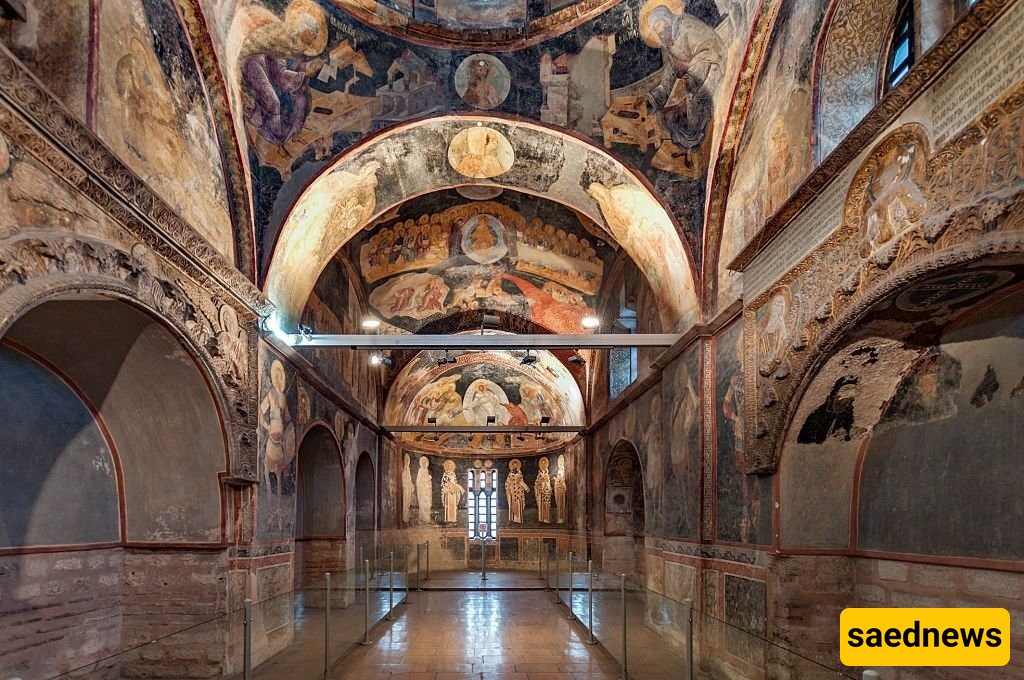
Almost every part of Chora Church features distinctive architectural details. One of the most famous mosaics is located above the doorway leading from the inner narthex toward the main body of the church. It depicts Theodore Metochites presenting a model of the church to Christ.
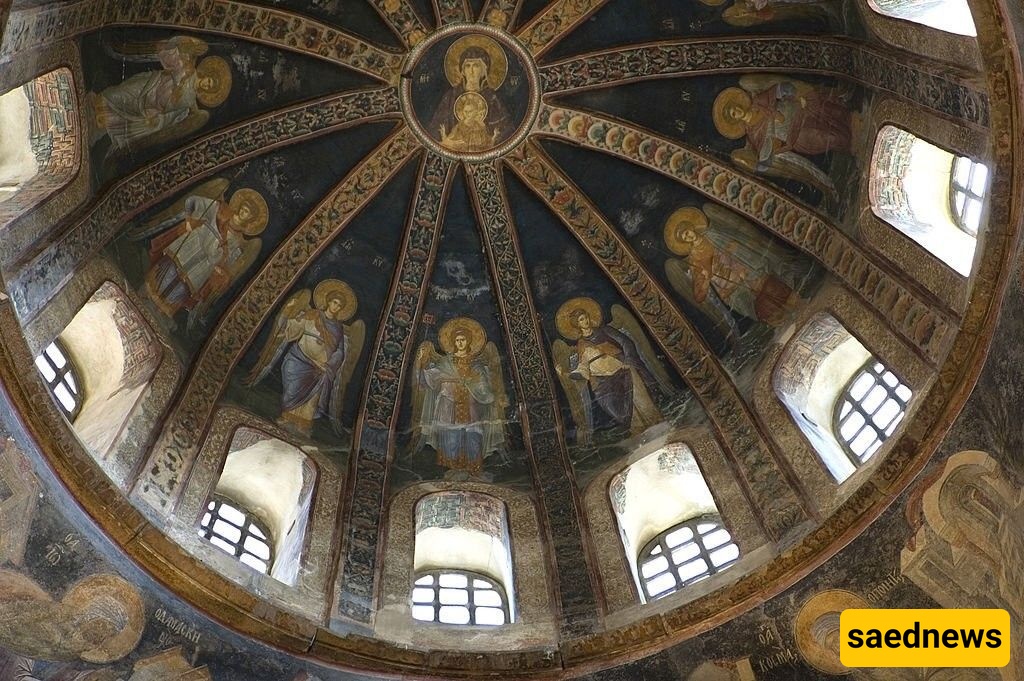
The church contains six domes: two in the inner narthex, one in the chapel, and three within the main structure.
Architecturally, the complex consists of four principal sections: the funerary chapel, the additional northern structures, the main church, and the inner and outer narthexes.
The building has undergone further restoration in modern times. A major restoration program began in 2013, with different sections being treated at different stages. Some restored areas have been reopened to visitors, while other sections remain closed during ongoing conservation work.
The frescoes and mosaics inside Chora Church are among its most valuable artistic features. Some of the finest frescoes are located in the small funerary chapel, which has also undergone restoration.
The artwork depicts numerous biblical stories and religious scenes. Although parts of the complex have been affected by restoration work over the years, the surviving decorations provide an extraordinary insight into Byzantine religious art.
Chora Church is not as large as some of Istanbul’s other famous historical monuments, but its relatively well-preserved interior decoration gives it a unique character. The combination of architecture, mosaics, and frescoes makes it one of the city’s most remarkable Byzantine monuments.
Some of the subjects represented in the mosaics and decorative artwork of the outer narthex include:
Joseph’s dream and journey
Registration for taxation
The Nativity of Christ
The journey of the Magi
The interrogation of King Herod
The Flight into Egypt
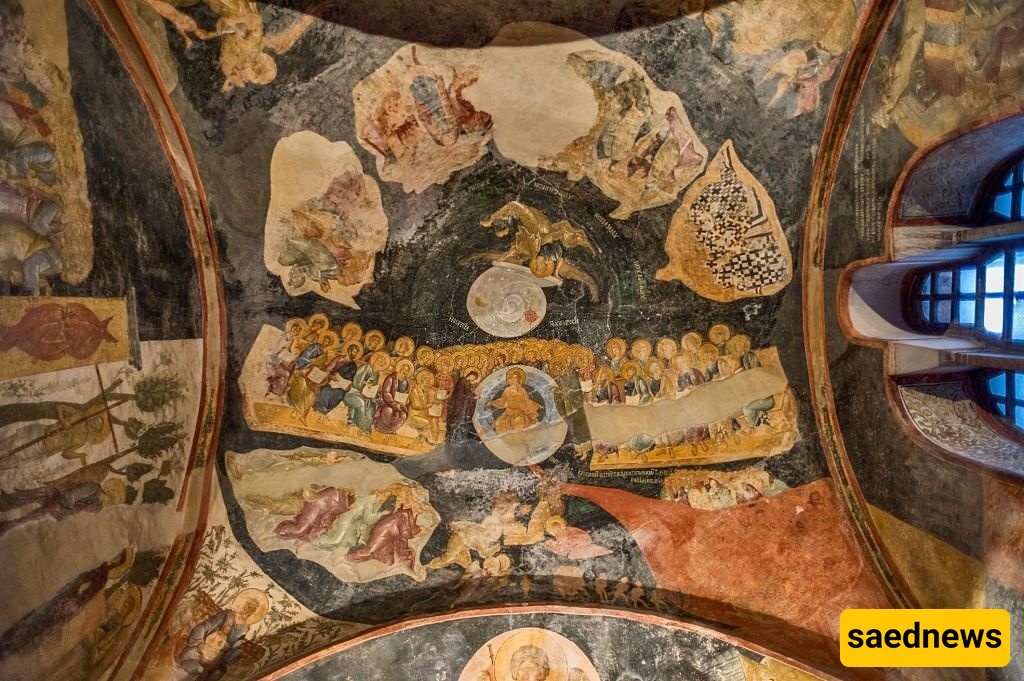
The main hall of Chora Church is connected to the narthexes and forms the central part of the building. Its large dome has a diameter of approximately 7.7 meters and rises above the main interior space.
Several passages and galleries surround the principal entrance and ultimately lead toward the central hall.
Today, Chora Church remains an extraordinary example of Byzantine artistic and architectural heritage in Istanbul. Its detailed mosaics, frescoes, domes, and centuries-old history make it a particularly rewarding destination for travelers interested in the cultural heritage of the city.