SAEDNEWS: Nature exploration is more than just a recreational activity; it is a healing remedy for both body and mind, helping reduce stress while strengthening the heart and supporting the immune system.
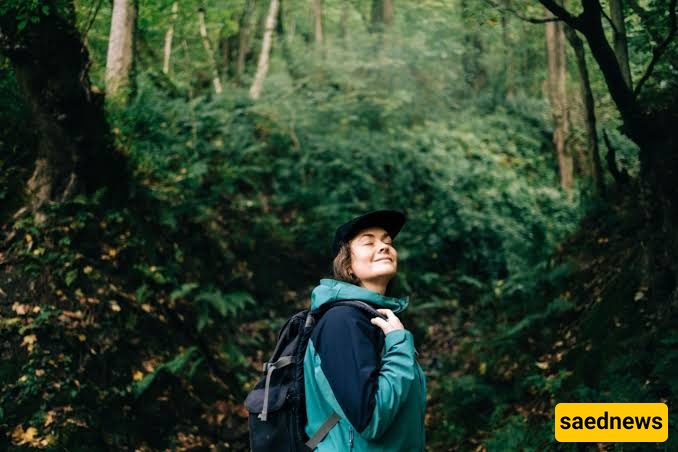
According to Saednews, In today’s fast-paced world, where modern lifestyles and urbanization have increasingly disconnected people from their natural roots, retreating into nature is no longer merely a luxury or recreational activity—it is becoming an essential part of maintaining both physical and mental well-being.
Spending time in nature goes far beyond simple entertainment. It can be viewed as an ancient form of healing whose remarkable benefits are now increasingly being explored and supported by modern science. But why does being surrounded by greenery, mountains, forests, or the sea have such a powerful effect on our bodies and minds?
This article explores the physical and mental health benefits of nature-based activities and explains how incorporating simple outdoor experiences into our routines can improve overall quality of life.
Humans spent the vast majority of their evolutionary history living in natural environments. Our bodies and minds developed in close connection with nature, rather than inside enclosed, artificial spaces. The growing disconnect between modern life and the natural environment has been associated with chronic stress, poor mood, sedentary behavior, and other health concerns.
Spending time outdoors gives us an opportunity to reconnect with an environment that naturally supports relaxation and movement. From physical fitness to emotional well-being, regular contact with nature can have wide-ranging effects on our health.
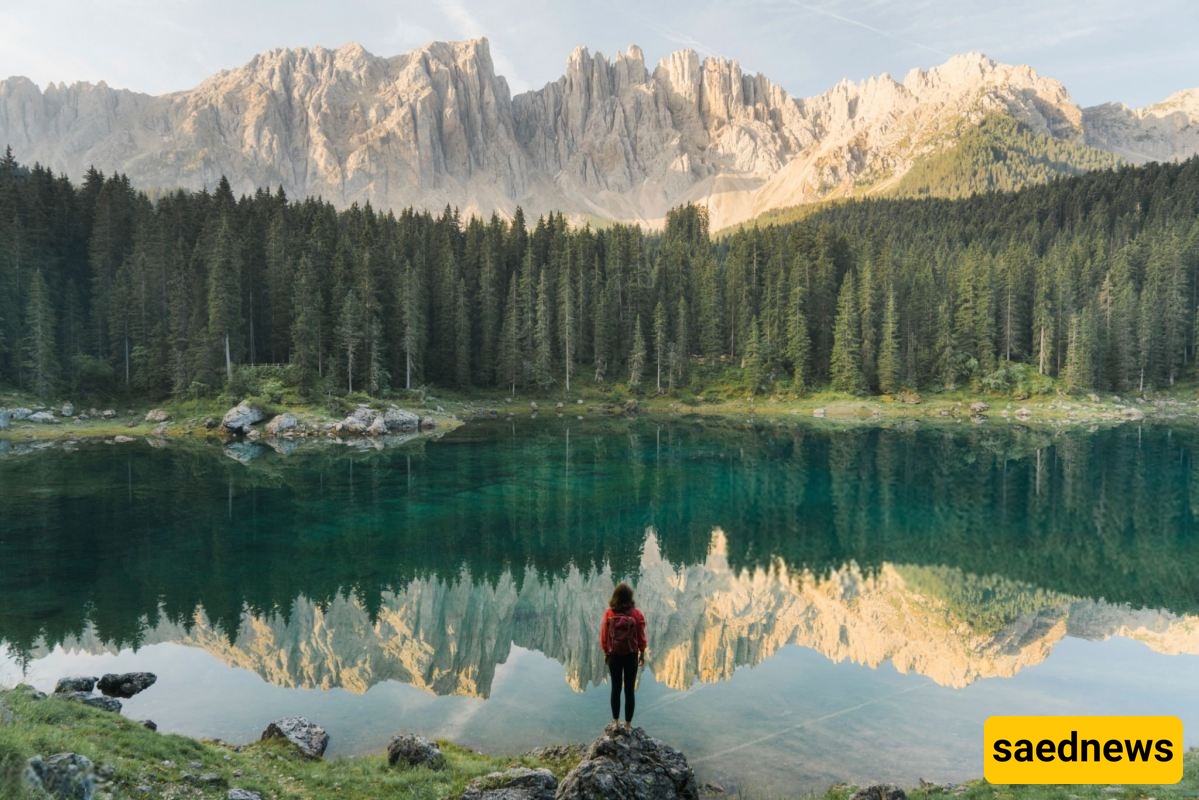
The physical benefits of outdoor activities are considerable. Hiking, walking, and exploring natural environments provide enjoyable forms of exercise while engaging several important systems of the body.
Hiking, particularly on uneven terrain, and walking on natural trails can provide an excellent cardiovascular workout. Unlike walking on a treadmill, natural terrain requires the body to constantly adjust to changes in elevation and surface, engaging a wider range of muscles while elevating the heart rate.
Regular physical activity is associated with healthier blood pressure and cholesterol levels and can reduce the risk of cardiovascular disease. Exercising outdoors can also make physical activity more enjoyable, increasing the likelihood that people will maintain it over time.
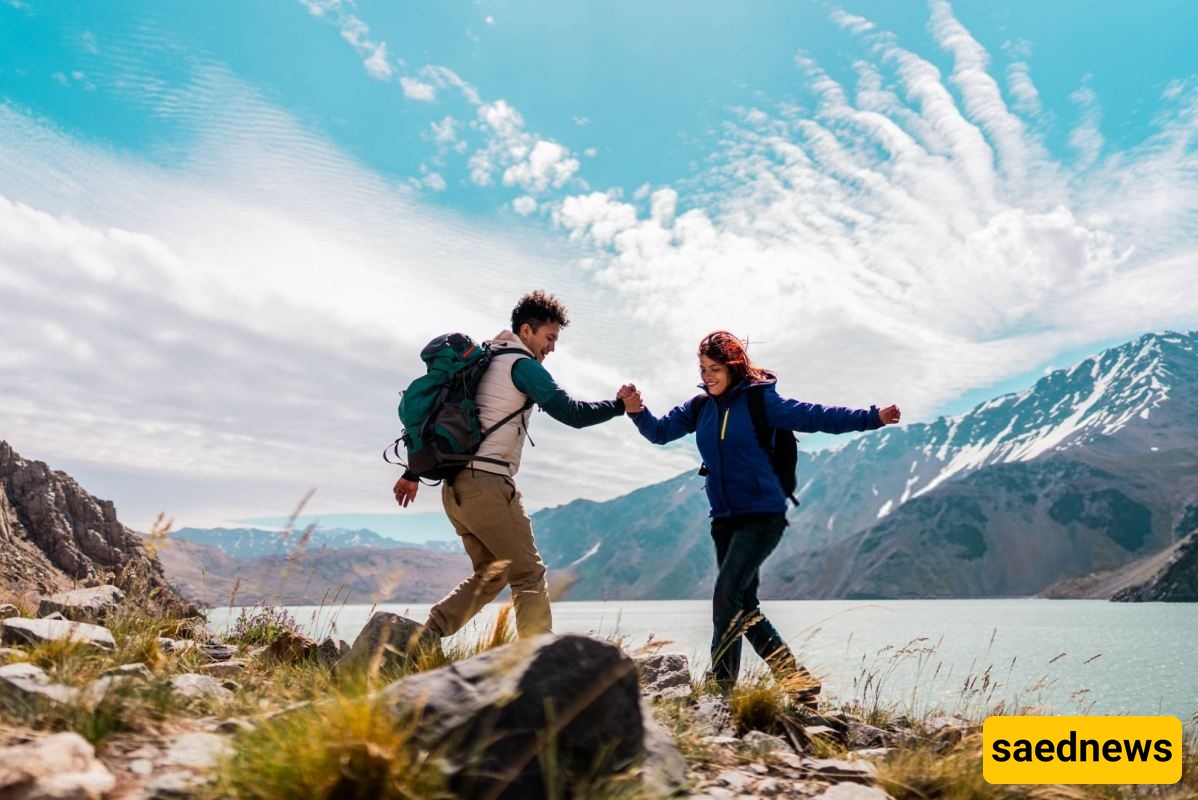
One of the major physical benefits of hiking and nature walks is their contribution to fitness and weight management. Long walks and hikes can burn significant amounts of energy, depending on the individual's body weight, pace, terrain, and duration.
Trails with different slopes and surfaces engage the legs, hips, glutes, and core muscles. Outdoor activity can also provide opportunities for exposure to sunlight, which helps the body produce vitamin D. Vitamin D plays an important role in calcium metabolism and bone health.
Walking over rocky or uneven terrain can additionally improve balance, coordination, agility, and proprioception—the body's awareness of its position and movement.
Spending time among trees exposes us to naturally occurring plant compounds known as phytoncides. Research into forest environments has investigated their relationship with immune activity, including the activity of natural killer (NK) cells, which play an important role in the body's defense system.
More broadly, spending time outdoors combines physical activity, relaxation, and exposure to natural environments, all of which can contribute to overall health.
Our bodies are naturally synchronized with cycles of light and darkness known as the circadian rhythm. Modern lifestyles, particularly prolonged exposure to artificial light and irregular schedules, can interfere with this biological clock.

Spending time outdoors—especially earlier in the day—provides exposure to natural light, which can help reinforce healthy circadian rhythms. Physical activity can also promote healthy sleep by reducing excess energy and supporting relaxation.
For these reasons, regular outdoor activity may contribute to deeper and more restorative sleep.
Natural environments may also influence how people experience pain. Relaxation, reduced stress, gentle physical movement, and distraction from discomfort can all contribute to better pain management.
Reducing stress is particularly relevant because chronic stress can affect muscle tension and pain perception. Activities such as gentle walking in peaceful natural surroundings may therefore be a useful complementary strategy for people dealing with certain forms of persistent discomfort.
If the physical effects of nature can be impressive, its potential psychological benefits are equally significant. In an era characterized by stress, information overload, and increasing screen time, nature can provide an important opportunity to slow down and mentally recover.
One of the most widely recognized mental health benefits of spending time in nature is stress reduction.
Natural surroundings can encourage the body to shift away from a constant state of alertness and toward relaxation. The sound of flowing water, rustling leaves, birdsong, and wind can create a calming sensory environment.
Even simply looking at natural scenery for a period of time can promote relaxation and help interrupt repetitive, anxious thoughts. This is one reason natural environments are increasingly considered valuable for psychological restoration.
Physical activity itself can support emotional well-being, and doing that activity outdoors may provide additional psychological benefits.
Walking, hiking, and other forms of exercise can stimulate the release of neurotransmitters and other chemicals involved in mood regulation. Combining movement with natural scenery can make exercise feel less monotonous and more rewarding.
For some people experiencing mild to moderate depressive symptoms, outdoor activity can serve as a valuable complement to professional mental-health treatment. It should not, however, be considered a replacement for appropriate medical or psychological care.
Nature can also inspire a sense of awe—the feeling that can arise when looking at a vast forest, mountain, ocean, or night sky. Such experiences can broaden our perspective and make everyday problems feel more manageable.
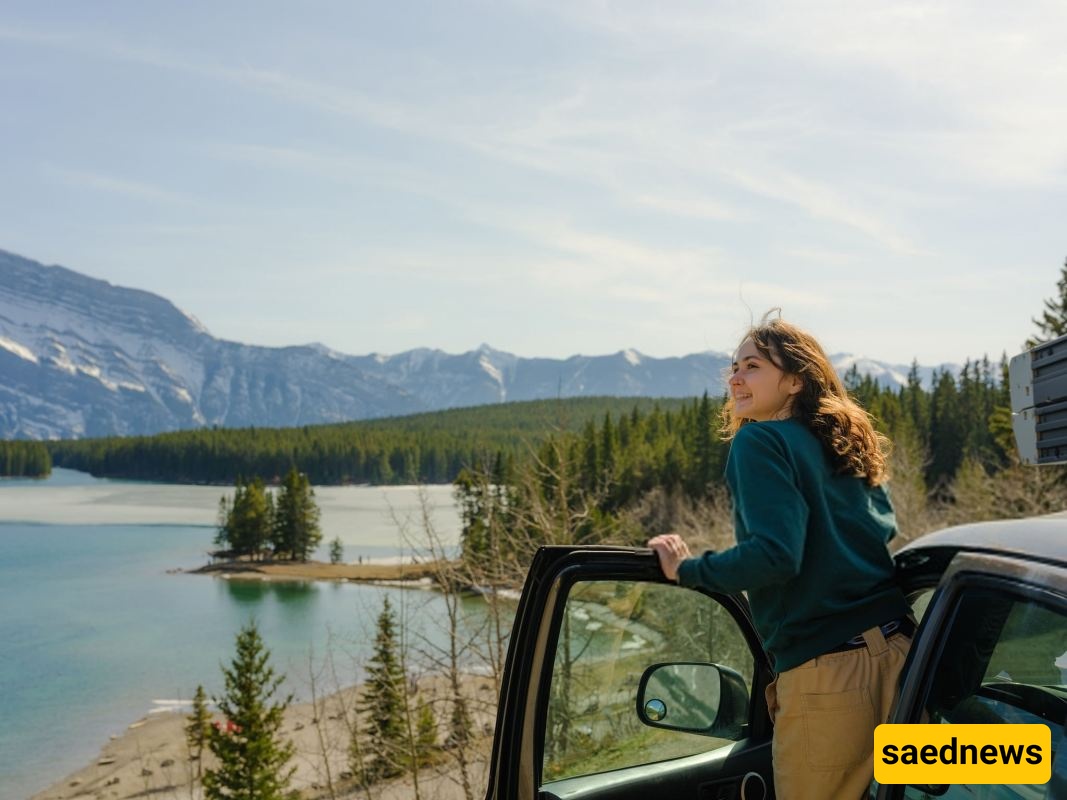
Modern work often requires prolonged periods of focused attention, which can leave the mind mentally exhausted. Natural environments can provide a different type of attention—one that is more effortless and restorative.
Spending time away from constant notifications, screens, and digital distractions gives the brain an opportunity to recover from continuous cognitive demands.
Research has also suggested that time spent in nature and temporary disconnection from technology may improve certain aspects of creative thinking and problem-solving. In this sense, a walk outdoors can function as a kind of mental reset, creating space for new ideas to emerge.
Overcoming challenges in nature—such as climbing a difficult trail, navigating an unfamiliar route, or completing a demanding hike—can create a strong sense of accomplishment.

Successfully handling these challenges can strengthen self-confidence and the belief that you are capable of dealing with difficult situations. That sense of competence may extend beyond outdoor activities into work, relationships, and other areas of everyday life.
Nature can also teach practical self-reliance. Learning how to navigate, prepare for changing weather, manage limited resources, and make decisions outdoors can strengthen feelings of independence.
Nature-based activities do not have to be solitary experiences. Hiking with friends, joining a walking group, or camping with family can create opportunities for meaningful conversations and stronger relationships.
At a time when many interactions take place through screens, face-to-face experiences in natural surroundings can foster a stronger sense of connection and belonging.
Solo time in nature can also be valuable. Walking alone can create an opportunity for reflection, helping people become more aware of their thoughts, emotions, and personal priorities.
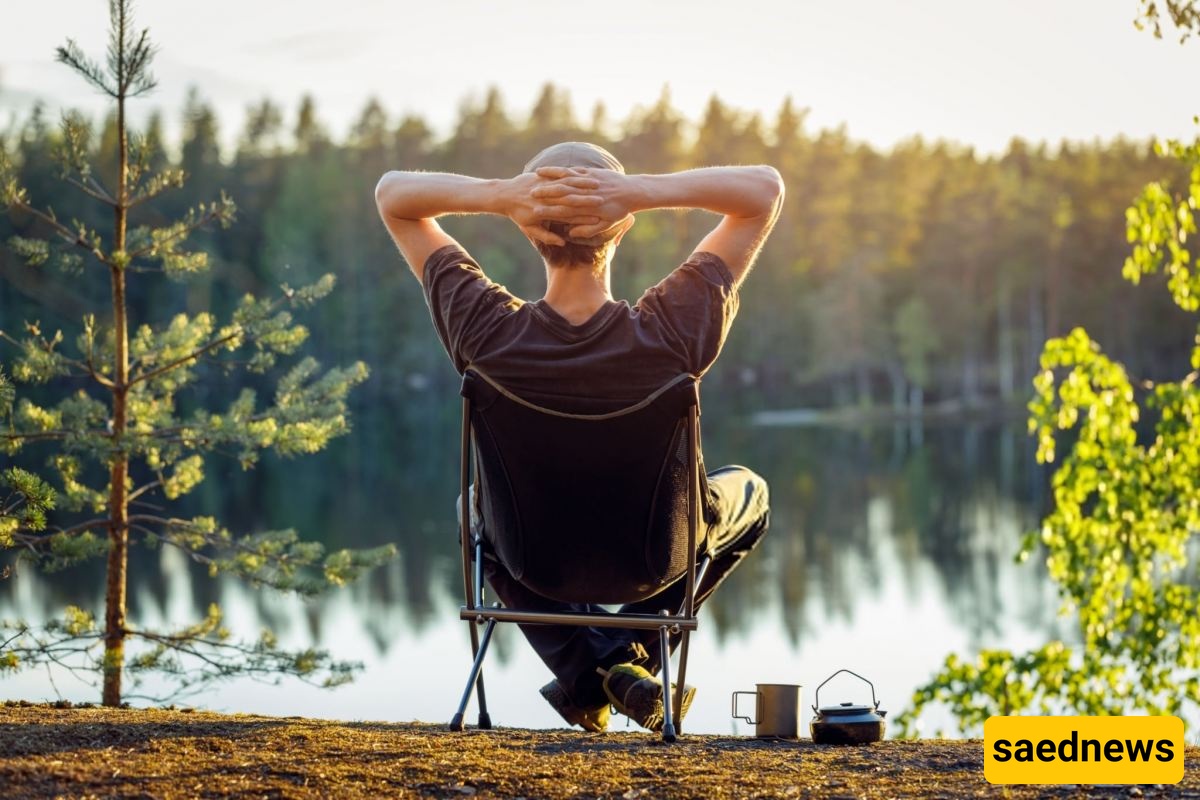
You do not need to be an experienced adventurer to enjoy the benefits of the outdoors. A few simple habits can make getting started easy.
Start small: Begin with walks in local parks, forests, or easy mountain trails. Gradually increase the distance and difficulty as your fitness improves.
Choose appropriate equipment: Wear comfortable, supportive footwear and weather-appropriate clothing. Carry enough drinking water and a healthy snack.
Bring navigation and backup power: Even when using GPS, carrying a physical map and a charged power bank can be useful, particularly on longer or remote trips.
Be present: Put your phone on silent and pay attention to your surroundings—the colors of the leaves, the texture of the ground, the sound of the wind, and the changing scenery. The goal is not simply exercise but also being mentally present.
Stay consistent: Try to include outdoor activity regularly rather than treating it as an occasional event. Even short, frequent periods in nature can become a meaningful part of a healthy lifestyle.
The benefits of spending time in nature for physical and mental health are increasingly recognized as an important part of a balanced lifestyle. Outdoor activities can support cardiovascular fitness, muscle strength, sleep, stress management, mood, concentration, confidence, and social connection.
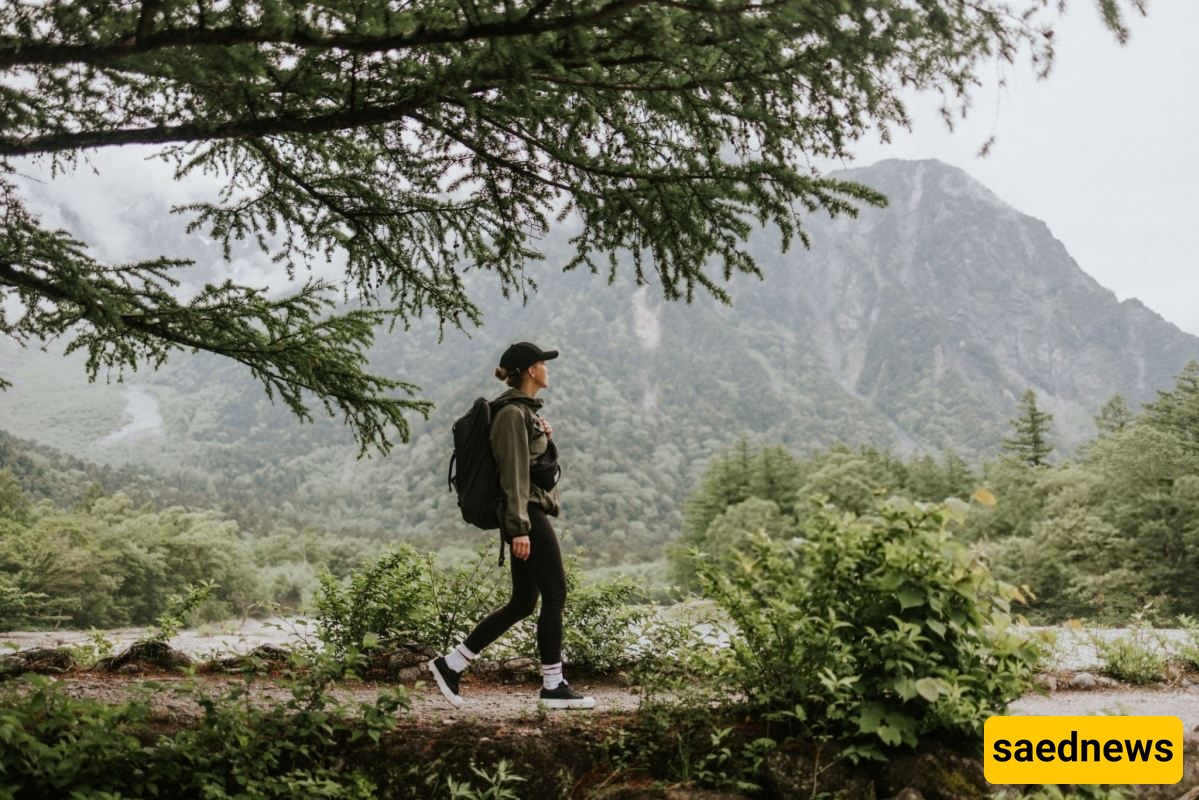
In a world surrounded by constant noise, screens, information, and artificial environments, nature provides a valuable opportunity to slow down, reconnect, and recharge.
You do not need an extreme adventure to experience these benefits. A simple walk through a forest, a hike in the mountains, a visit to the coast, or even a few quiet moments in a nearby park can be a meaningful investment in your well-being.
Every step you take in nature can be a step toward a healthier body, a calmer mind, and a better quality of life.