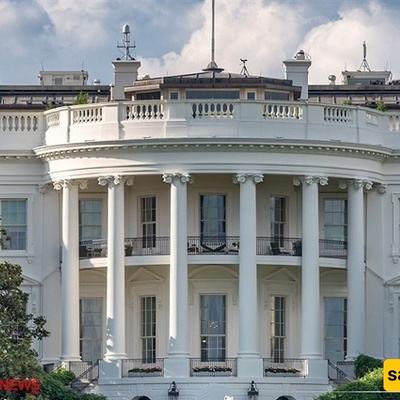
SAEDNEWS: Luxembourg is a country located in Northern Europe, sharing borders with Germany, France, and Belgium. The country is especially popular with tourists from May to September, when the weather is pleasant and ideal for sightseeing, outdoor activities, and exploring its historic towns and scenic landscapes.
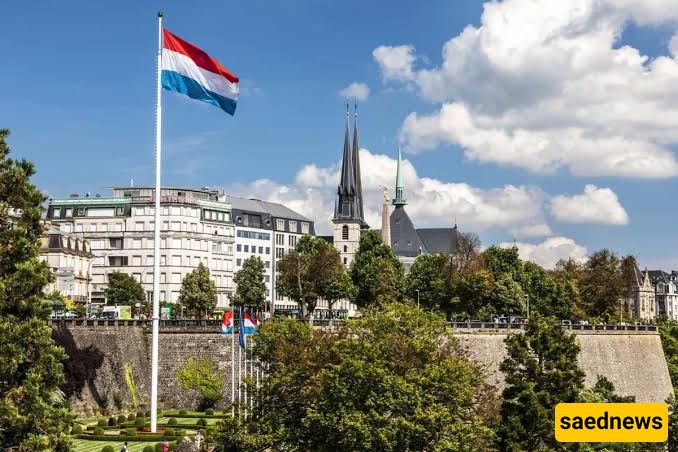
According to Saednews, Luxembourg is one of Europe's smallest yet wealthiest countries, known for its medieval castles, picturesque valleys, multicultural society, and high standard of living. Located in Western Europe, it offers a unique blend of French, German, and Luxembourgish influences, making it an attractive destination for history lovers, food enthusiasts, and nature seekers alike.
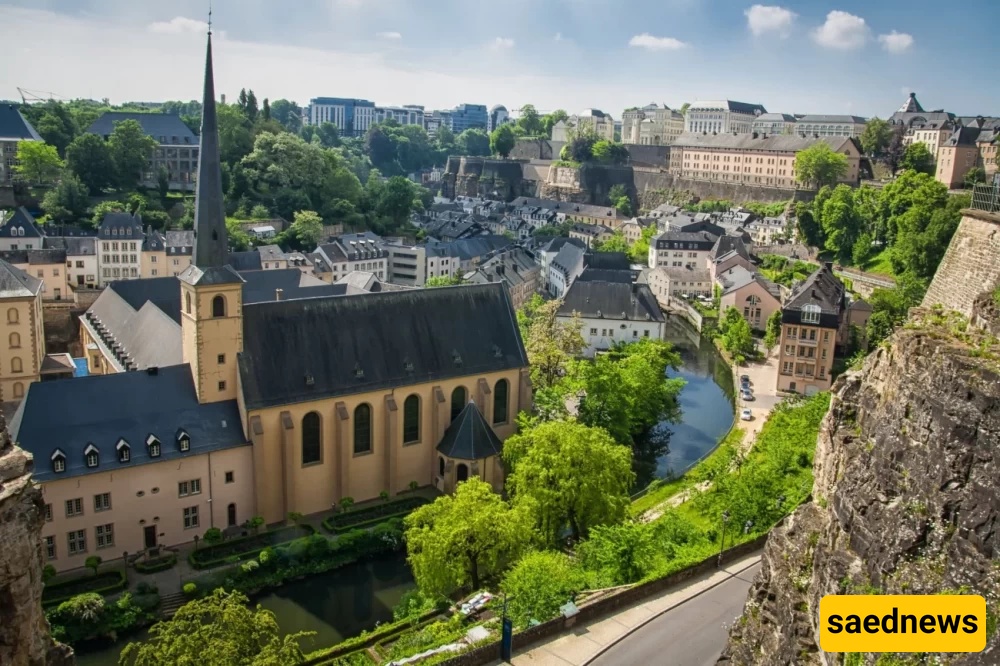
Luxembourg City, the capital of the Grand Duchy of Luxembourg, is the country's largest and most important city. Situated in the southern part of the country, it is divided by the Pétrusse and Alzette rivers. Throughout history, the city has been considered one of Europe's strategic centers because of its impressive fortifications.
Today, Luxembourg City is famous for its historic castles, museums, cultural attractions, art galleries, and beautiful old quarters. It combines modern European institutions with centuries-old architecture, creating a unique atmosphere for visitors.
Located in northeastern Luxembourg, Diekirch is known for its historic churches, museums, and charming streets.
Dudelange is a historic town recognized for its antique markets and cultural heritage. It offers a safe environment and a high quality of life.
Ettelbruck is famous for its attractive architecture, cultural festivals, and art exhibitions. It serves as an important regional center in northern Luxembourg.
Remich is located along the Moselle River and is well known for its vineyards, scenic waterfront, and educational institutions. The town is carefully planned and offers a peaceful atmosphere.
Echternach, the oldest town in Luxembourg, is admired for its relaxed lifestyle, historic abbey, and beautiful surroundings.
Luxembourg is a landlocked country in Western Europe bordered by Germany to the east, France to the south, and Belgium to the west and north.
The country covers approximately 2,586 square kilometers and has a population of around 600,000 people. Despite its small size, Luxembourg consistently ranks among the world's richest countries thanks to its strong economy and financial sector.
The southern region, known as Gutland, covers about two-thirds of the country's area, while the northern region, the Ardennes (Oesling), is more mountainous and cooler.
Because of its strategic location between France, Germany, and Belgium, Luxembourg has experienced centuries of political and military conflict.
The country changed hands several times throughout European history, including periods under Austrian, French, Spanish, and Dutch rule. Following the Congress of Vienna in 1815, Luxembourg became linked to the Netherlands while maintaining its own identity.
Luxembourg gained full independence in 1839, and in 1867 it declared permanent neutrality under the Treaty of London.
Luxembourg is a constitutional monarchy headed by the Grand Duke.
The Constitution of 1868 established executive authority under the Grand Duke and the government. The country has a unicameral parliament consisting of 60 elected members, who serve five-year terms.
Luxembourg enjoys political stability, strong democratic institutions, and one of the highest levels of public safety in Europe.
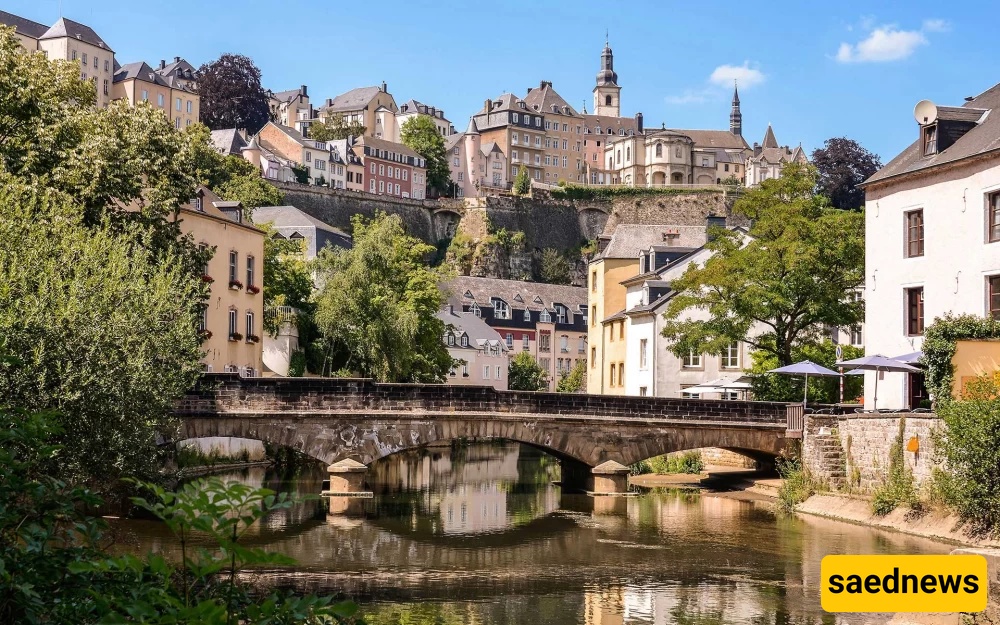
Luxembourg is known for its organized and structured lifestyle. Planning, punctuality, and professionalism are highly valued in both business and everyday life.
The country has three official languages:
Luxembourgish
French
German
Working hours often depend on professional qualifications and employment contracts.
Luxembourgers tend to be polite, reserved, and modest. Building close personal relationships usually takes time, and privacy is highly respected. Personal matters are generally kept separate from professional life.
Punctuality is considered extremely important. Arriving late to business meetings may create a negative impression.
Although modern Luxembourg strongly supports equality, traditional attitudes still exist in some parts of society. However, gender equality has improved significantly over recent decades.
Official Languages
Luxembourgish
French
German
Currency
Euro (€)
International Calling Code
+352
Emergency Numbers
Medical Emergency & Fire: 112
Police: 113
Electricity
230V
50Hz
International Airport
Luxembourg Airport (Findel)
Luxembourg has a temperate climate with mild summers and cool winters.
During winter, temperatures frequently fall below 0°C, particularly between November and February. The Ardennes region experiences colder temperatures, higher elevations, and more rainfall than the southern parts of the country.
Snowfall is common in northern Luxembourg during winter months.
The most popular time to visit Luxembourg is from May through September, when temperatures usually range between 8°C and 20°C and outdoor attractions are at their best.
Travelers who enjoy winter scenery and snow should consider visiting between December and February.
Unlike many destinations, weekend travel can sometimes be more affordable because weekday hotel demand increases due to business travelers.
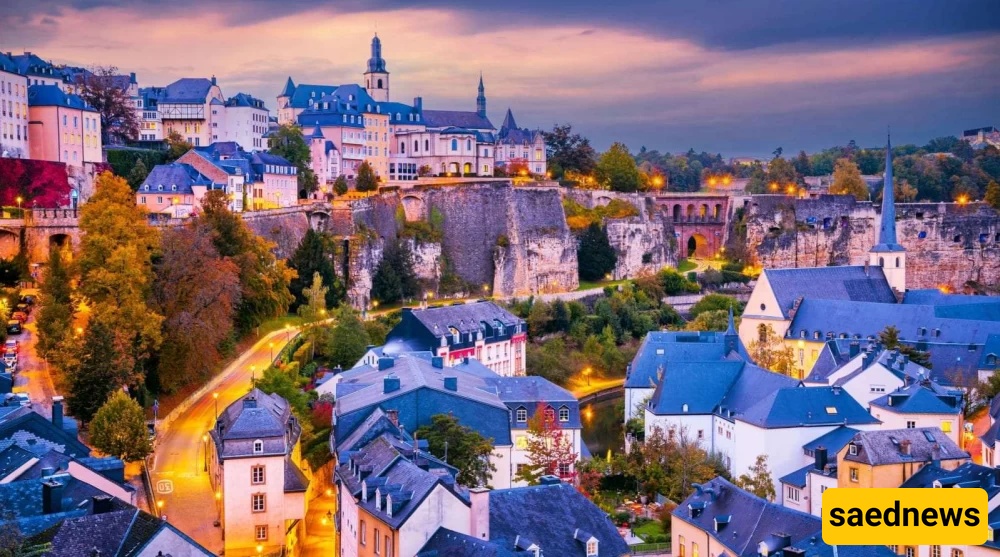
Luxembourg hosts numerous cultural festivals throughout the year.
One of the most notable events takes place between March and May, featuring international musicians and artists who gather for concerts and live performances, making it one of the country's major cultural celebrations.
This upscale four-star hotel offers amenities comparable to many five-star properties. Guests enjoy:
Free Wi-Fi
Air-conditioned rooms
Television
Tea and coffee facilities
Private bathrooms
European and local cuisine in the on-site restaurant
This modern three-star hotel features:
99 guest rooms
Free Wi-Fi
Fitness facilities
Parking
Restaurant
Convenient city-center location
Luxembourg's cuisine reflects influences from France, Germany, and Belgium.
Often regarded as Luxembourg's national dish, it consists of smoked pork served with broad beans and traditional seasonings.
A popular Luxembourgish potato fritter made with grated potatoes, eggs, onions, parsley, flour, and salt, then fried until crispy.
A traditional Luxembourg dessert made with fresh plums baked into a sweet pastry crust. It is one of the country's most beloved seasonal treats.
A UNESCO World Heritage Site, the Old Quarter is famous for its medieval fortifications, historic streets, and remarkable defensive architecture.
This museum houses important archaeological discoveries, historical artifacts, artworks, and collections illustrating Luxembourg's rich cultural heritage.
The Bock Casemates are an extraordinary network of underground tunnels carved into the rock beneath Luxembourg City. Stretching for several kilometers, they once formed part of one of Europe's strongest fortress systems and are now among the country's most visited historical attractions.
Despite its compact size, Luxembourg offers an exceptional combination of medieval history, breathtaking landscapes, multicultural heritage, world-class museums, excellent cuisine, and one of Europe's highest standards of living. Whether you're exploring ancient castles, walking through UNESCO-listed streets, enjoying local festivals, or sampling traditional dishes, Luxembourg provides a memorable experience for every traveler.