SAEDNEWS: Dishmook in Kohgiluyeh and Boyer-Ahmad Province features a cool climate, pristine nature, and historic sites like Dishmook Castle and Imamzadeh Mirsalar, making it a key tourist destination in southwestern Iran.
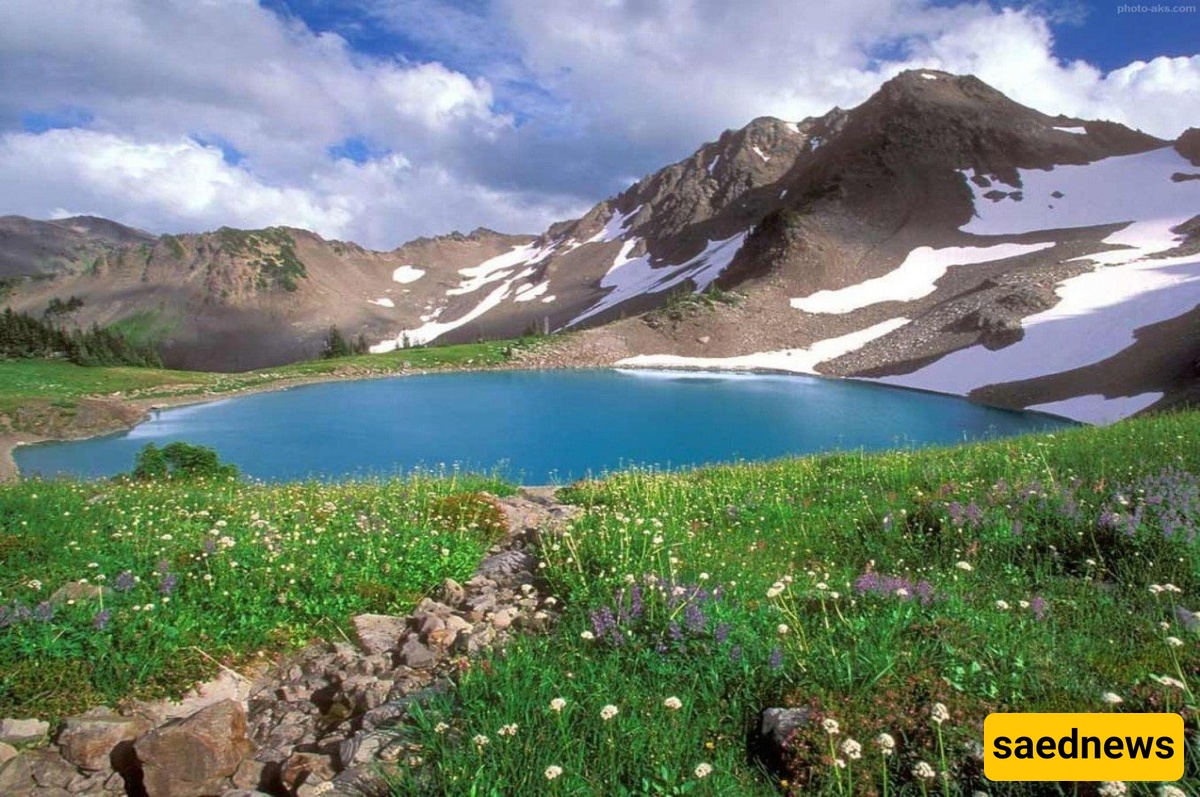
According to Saednews, Dishmook is a city located in Kohgiluyeh County, within Kohgiluyeh and Boyer-Ahmad Province, Iran. Surrounded by towering mountains, the city is known for its cool mountainous climate, warm-hearted people, and beautiful natural landscapes. It is considered one of the important tourism destinations in the province.
The area of Dishmook District is approximately 976 square kilometers, and the city stands at an elevation of 1,775 meters above sea level.
The people of Dishmook speak Lori, particularly the Bahmaei dialect, and belong to the large Bahmaei tribe (Cold Mountain branch). The city experiences very cold winters and pleasant, cool summers. Its welcoming and hospitable residents are one of the region’s greatest attractions.
Dishmook is connected to several surrounding areas: it borders Lordegan County in Chaharmahal and Bakhtiari Province to the north, Izeh and Baghmalek in Khuzestan Province to the west, the 3,000-meter Black Mountain (Kuh-e Siah) heights and Bahmaei Garmsir District to the south, and Margoon, Charusa Districts, and Dehdasht City to the east.
According to researchers, Lirab of Dishmook is considered one of the possible original homelands of the Lur people.
Dishmook offers a combination of historical monuments, untouched nature, and cultural heritage. Among its major attractions are:
Imamzadeh Mir Salar Shrine
Historic Dishmook Castle
Shah Mansour Castle
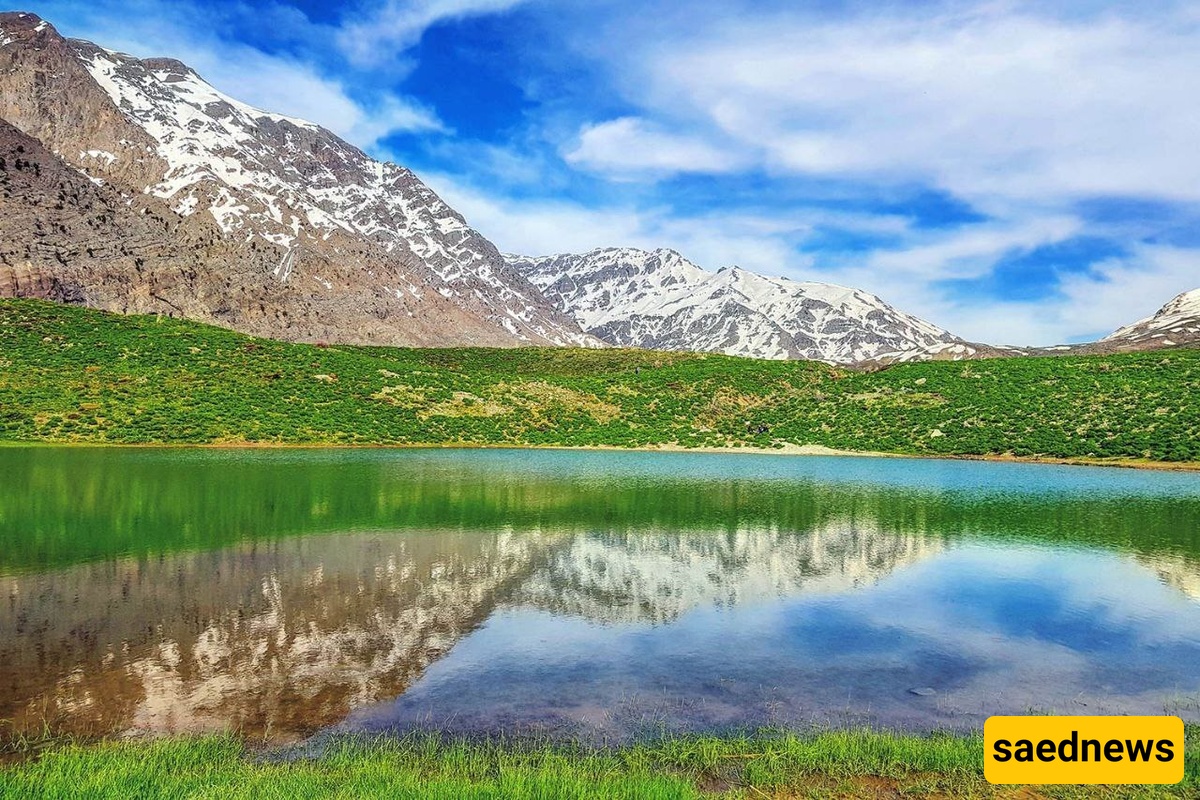
Dishmook Lake
Gerab Earth Dam
Ancient Rock Tombs (Gour Dokhmeh or Gour Dalu)
Numerous natural landscapes and mountain attractions
These attractions, along with the pleasant fragrance of spring flowers and beautiful blossoms, make Dishmook a memorable destination for nature lovers and travelers.
The mystery and beauty of Dishmook’s natural environment are difficult to describe. During spring, the untouched landscapes become breathtakingly beautiful, creating unforgettable memories for visitors who travel to this remarkable region.
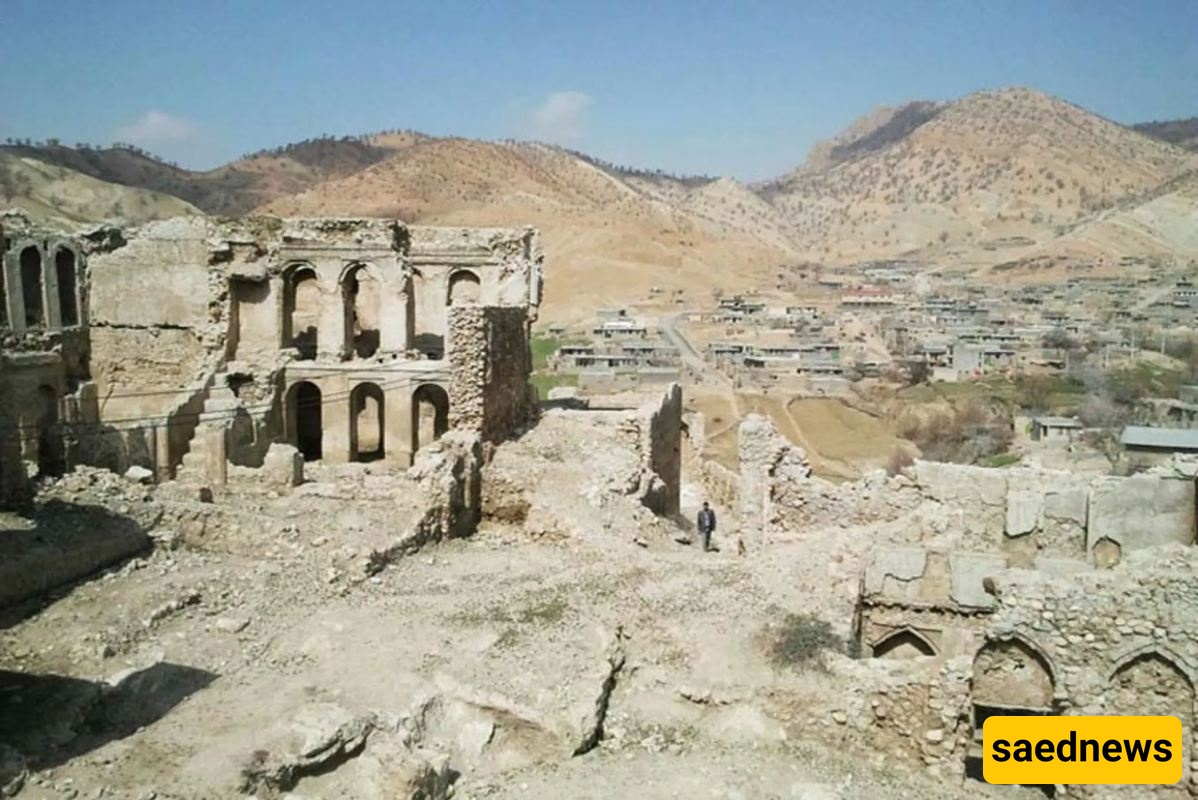
Dishmook Castle is one of the valuable historical complexes located in the Kohgiluyeh region. The castle stands on top of a gypsum rock cliff and covers an area of approximately 250 by 250 meters, with remains reaching around 25 meters in height.
The lower layers of the structure date back to the Parthian and Sassanid periods, with the western rocky structure particularly associated with the Parthian era.
The newer architectural features of the castle belong to the Zand and Qajar periods. The eastern courtyard is related to the Zand and Qajar eras, while the western courtyard dates back to the early Pahlavi period.
Beneath the castle, there are remains of older structures, suggesting that the castle was later built over earlier ruins. The main construction materials used were stone and gypsum mortar, which provided remarkable durability.
A special underground pathway was built to provide access to drinking water and the castle entrance. This passage extends for more than 200 meters and demonstrates impressive engineering skills for its time. The survival of this structure over centuries highlights its advanced design and construction techniques.
The castle contains historical and Islamic-era remains and is located west of Dishmook City. The surrounding area features beautiful landscapes and scenic views that attract many visitors from neighboring provinces, including Khuzestan, Fars (Shiraz), Bushehr, Isfahan, and Chaharmahal and Bakhtiari.
Following the rise of the Umayyad and Abbasid governments, many Shiites, especially the descendants of the Prophet’s family (Sayyids), faced persecution. Iran, due to its early connection with Shiite traditions, became a significant destination for the migration of Sayyids and descendants of the Imams.
Imamzadeh Mir Salar, a descendant of Imam Musa al-Kadhim (peace be upon him), was among those who migrated during these historical periods. His presence became a source of spiritual importance and blessing for the local people.
The shrine is located in one of the most beautiful and peaceful areas of Dishmook. The rivers, mountains, and landscapes of Tang-e Fartaq create a spectacular environment that attracts visitors seeking natural beauty and tranquility.
The presence of ancient pottery remains and architectural features at Shah Mansour Castle indicates that the site has existed since the Parthian and Sassanid periods.
Evidence of Seljuk-era architecture has also been discovered, suggesting that the castle may have served as a strong fortress during the Seljuk period.
Some researchers compare its role to the strongholds used by the Ismaili communities in regions such as Alamut and Quhistan. There is also a possibility that Shah Mansour Mozaffari, during the period of conflict with Timur (Tamerlane) or even earlier, established a strategic base at this location due to connections between central Iran and western regions.
Although historical sources do not provide an exact record of Shah Mansour’s presence at this site, the castle remains an important cultural and historical landmark.
Every year during Nowruz (the Persian New Year holidays), many travelers from different parts of Iran visit Dishmook. The region offers visitors an experience similar to traveling through the northern landscapes of Iran, with green valleys, colorful flower-covered hills, flowing rivers, and untouched natural scenery.
For those interested in exploring Iran’s natural heritage, historical sites, and traditional communities, Dishmook provides a unique opportunity to experience breathtaking landscapes alongside the genuine hospitality of its warm and welcoming people.