SAEDNEWS: Iran is home to many wonders—from a car-free village and a place where time seems frozen, to a paragliding paradise and a northern village ruled by a “queen” where men are not allowed.
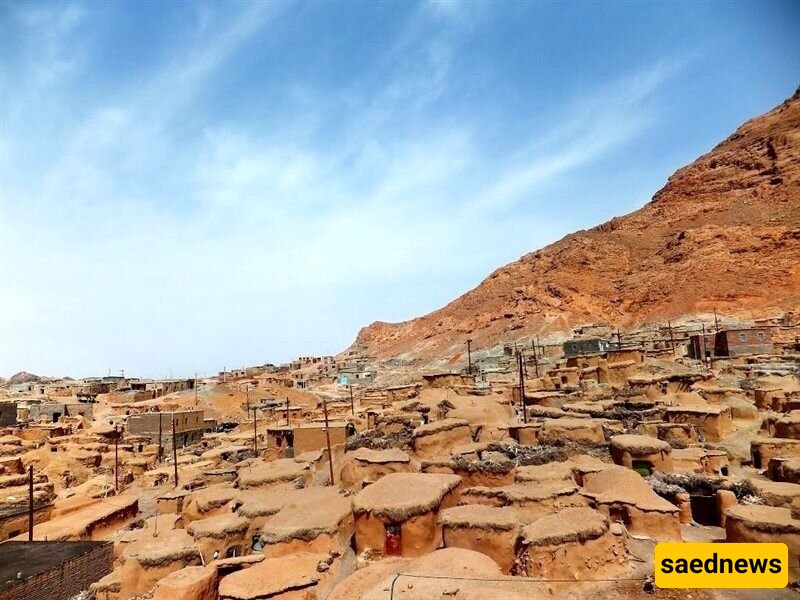
According to Saednews, Iran is a land of four seasons filled with diverse attractions. One of its most famous and globally known curiosities is the village of Makhunik, often referred to as “Iran’s Lilliput,” home to people historically described as very short in stature.
For many years, it was claimed that residents of this remote village did not drink tea, did not hunt, and did not consume meat. Smoking was also considered taboo. These practices were once viewed by locals as sinful. Until relatively recently, television was even regarded with suspicion, and villagers reportedly called it “the devil,” believing it could negatively influence children.
Makhunik is located in a remote area in southern Khorasan Province, near the Afghanistan border. The village contains around 200 stone and mud-brick houses, many with extremely low ceilings and small doorways. In older structures, ceiling heights were reportedly so low that standing upright inside was difficult.
Some reports have attributed the historically short stature of residents to factors such as close-kin marriage, poor nutrition, and environmental conditions. However, it is also noted that in modern times, physical growth patterns in the village have become more similar to surrounding populations.
Today, Makhunik attracts both domestic and international tourists and is considered one of the cultural tourism potentials of South Khorasan.
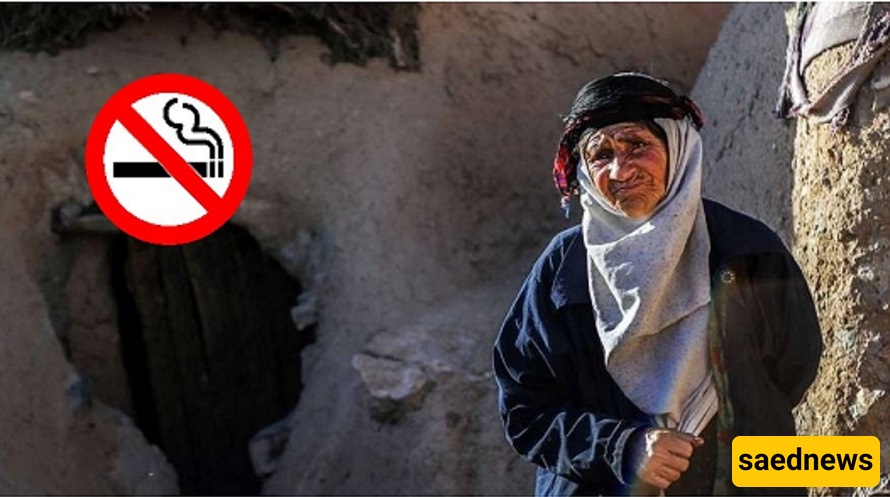
One of the distinctive features of traditional architecture in Makhunik is its low ceilings and small doors, which help regulate indoor temperature, keeping homes warmer in winter and cooler in summer.
The village is located in a dry and remote region where agriculture was historically difficult. As a result, residents once lived with limited resources and relied on simple livelihoods. Traditional diets included root vegetables such as turnips and beets, often boiled, as well as simple local dishes made from flour mixtures.
Wild pistachio trees (locally known as “bene”) grow in the area, and villagers collect and use their fruits in food preparation. Jujube trees are also cultivated.
Due to geographical isolation, intermarriage among relatives was common in the past, which some researchers believe contributed to inherited physical traits within the population.
Historically, the village had limited access to infrastructure and modern amenities. Over time, however, improved road access has expanded dietary variety, and modern foods such as rice and chicken have become part of daily consumption. Children today are generally taller and healthier than previous generations.
Despite these improvements, challenges such as water scarcity and agricultural limitations still persist. Many young residents migrate to nearby cities in search of better economic opportunities.
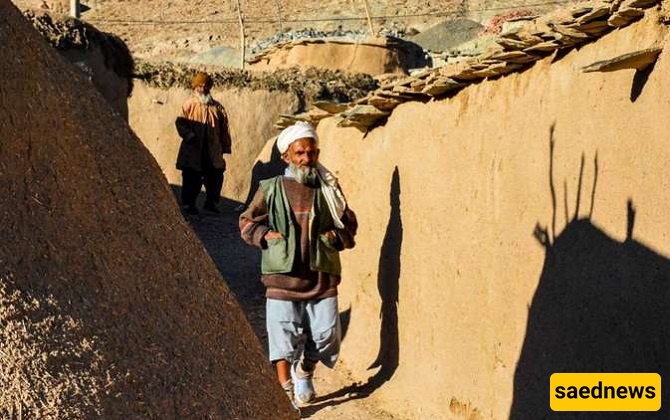
Makhunik is now recognized as a unique cultural and architectural destination and is sometimes listed among unusual villages of the world. Its small homes, traditional lifestyle, and historical isolation contribute to its reputation as a remarkable heritage site.
Nearby historical remnants include rock carvings, old structures, and ancient landmarks that reflect the long-standing presence of human settlement in the region.
The main livelihood of the residents remains agriculture and livestock farming, although tourism has increasingly become a source of attention.
Makhunik is located approximately 1,261 km from Tehran. Travelers can reach the village through different routes via cities such as Mashhad, Sabzevar, Gonabad, Birjand, and Tabas, or through Qom and Birjand.
The journey from Tehran typically takes 12 to 16 hours by road. Visitors can travel by bus, train (with a transfer via Tabas), or fly to Birjand International Airport and continue by road to the village.
Today, Makhunik remains a symbol of Iran’s diverse cultural geography—combining historical myths, distinctive architecture, and evolving modern life.