SAEDNEWS: Fear of flying is one of the most common forms of anxiety and can significantly affect travel and everyday life. This article explores its causes, common symptoms, and practical ways to overcome it.

According to Saednews, Fear of flying is one of the most common forms of anxiety in modern life. It is a fear that can interfere with business plans, family vacations, and even important life opportunities. Many people feel anxious when booking a flight, experience tension at the airport, and struggle with worry from the moment they fasten their seatbelt until the aircraft lands.
But what exactly is fear of flying? What causes it, and how can it be overcome? This article explores these questions in clear, practical terms.
Fear of flying, medically known as aviophobia or aerophobia, is an intense and persistent feeling of anxiety associated with air travel. It can occur before a flight, during the journey, or even after landing.
People may fear an airplane crash, heights, enclosed spaces, losing control, turbulence, or potential health problems during air travel.
It is important to understand that fear of flying is not always a single, isolated fear. In many cases, it involves a combination of different anxieties.
For many people, fear of flying does not necessarily mean being unable to board an aircraft. They may still fly despite experiencing severe anxiety, remain nervous throughout the journey, and feel physically exhausted after landing. These experiences demonstrate how significantly fear of flying can affect both travel experiences and emotional well-being.
Feeling nervous before a flight is perfectly normal. Many passengers experience mild excitement or anxiety before travelling by air. However, when these feelings develop into intense anxiety, avoidance of air travel, panic attacks, or noticeable physical symptoms, they may indicate a specific phobia.
With aviophobia, the intensity of fear is often disproportionate to the actual level of danger. Even when someone understands that flying is relatively safe, they may continue to feel threatened.
Distinguishing between ordinary flight anxiety and a genuine phobia is important because the approaches to managing them can differ. Mild anxiety may improve with preparation and breathing exercises, while severe aviophobia may require professional psychological treatment.
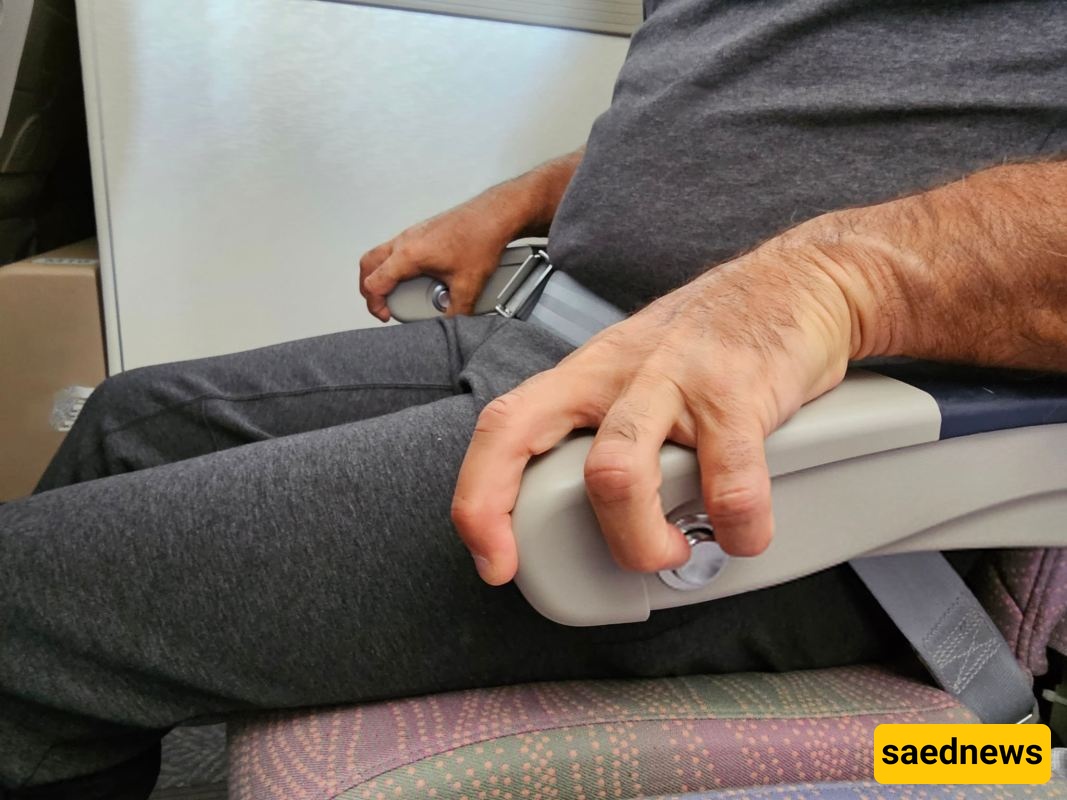
Fear of flying can develop for several reasons. Some people have experienced stressful flights, severe turbulence, or emergency landings. Others develop this fear through news reports, movies, or stories shared by other people. Genetic factors and an individual's general tendency toward anxiety may also contribute.
People who are generally prone to anxiety, fear of heights, claustrophobia, or a strong need for control may be more likely to develop a fear of flying.
Another important factor is a lack of understanding about how aircraft operate. When passengers do not know whether certain aircraft noises are normal, what minor movements mean, or how dangerous turbulence actually is, their minds may interpret ordinary flight conditions as signs of serious danger.
Learning accurate information about aviation and flight procedures can help reduce some of these fears.
Fear of flying can trigger several physical symptoms, including:
Rapid heartbeat or palpitations
Excessive sweating
Trembling or shaking
Shortness of breath
Dry mouth
Nausea
Dizziness
Muscle tension
Psychological symptoms may include persistent worry, catastrophic thinking, restlessness, irritability, and a feeling of losing control.
Some people experience insomnia before a flight or develop intense anxiety hours before arriving at the airport.
Although these symptoms can be uncomfortable, they are generally not dangerous and are often part of the body's natural response to stress. Understanding this can help individuals become less afraid of their own anxiety symptoms.
Fear of flying is more than just a travel-related inconvenience. It can limit professional, educational, and recreational opportunities.
Someone may turn down international trips, miss important business meetings, or prevent their family from enjoying shared travel experiences.
Overcoming fear of flying is therefore not simply about reducing discomfort. It is also about regaining independence, expanding opportunities, and improving overall quality of life.
Fortunately, fear of flying can be managed. Many people have learned to travel more comfortably through practical techniques, education, and professional treatment when necessary.
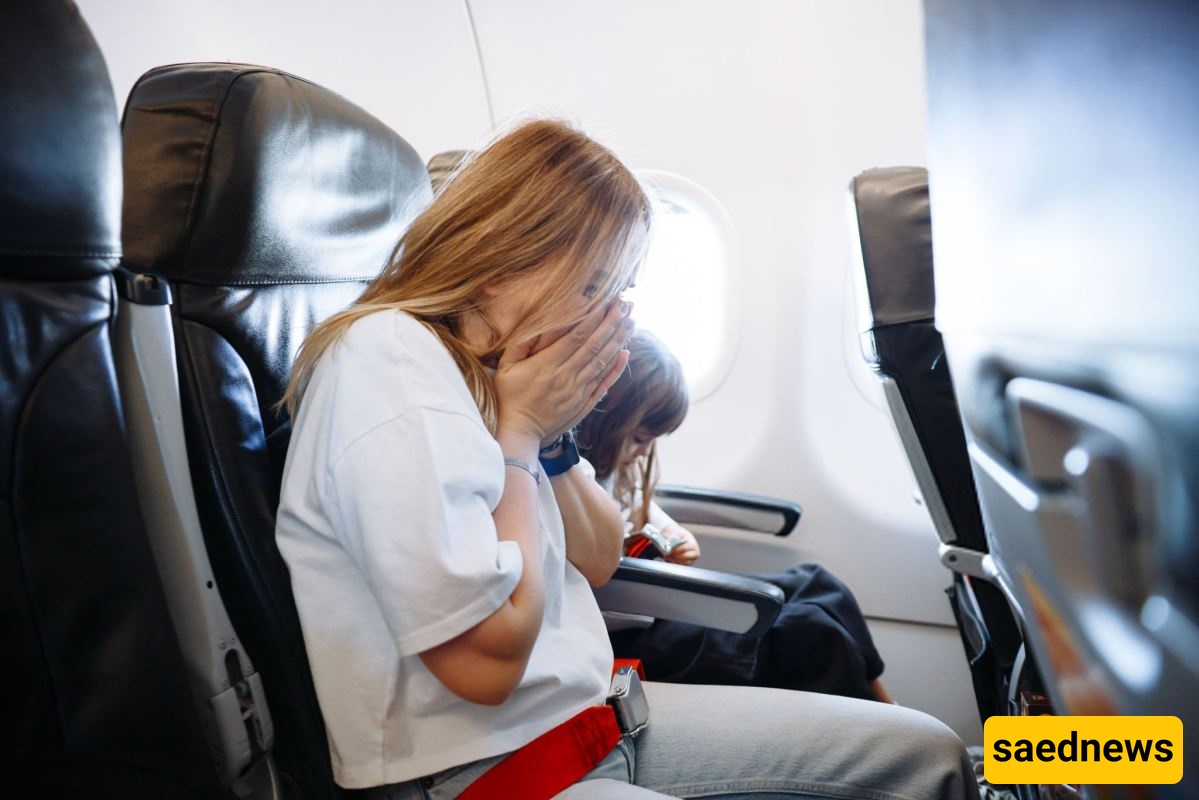
The first step toward overcoming fear of flying is acknowledging that it exists. Trying to suppress anxiety often makes it worse.
Instead, accept your feelings without judging yourself and identify exactly what triggers your fear. Is it the possibility of a crash, heights, enclosed spaces, losing control, or turbulence?
Identifying the specific source of anxiety makes it easier to choose the most effective coping strategies.
Knowledge can be a powerful tool against fear.
Understanding the stages of a flight, normal aircraft sounds, the responsibilities of flight attendants, and the purpose of safety procedures can help reduce uncertainty.
Watching educational documentaries about aviation safety or speaking with pilots and flight attendants may also provide a more realistic understanding of air travel.
However, it is important to rely on trustworthy sources and avoid excessive searches for aviation accident reports, which may increase anxiety.
Slow, controlled breathing is one of the simplest ways to manage anxiety.
One useful exercise involves:
Inhaling for four seconds.
Holding your breath for four seconds.
Exhaling slowly for six seconds.
Repeating this exercise can help calm the body and regulate your breathing.
Practising before and during a flight can help your body move away from its fight-or-flight response. Mindfulness exercises and progressive muscle relaxation can also be beneficial.
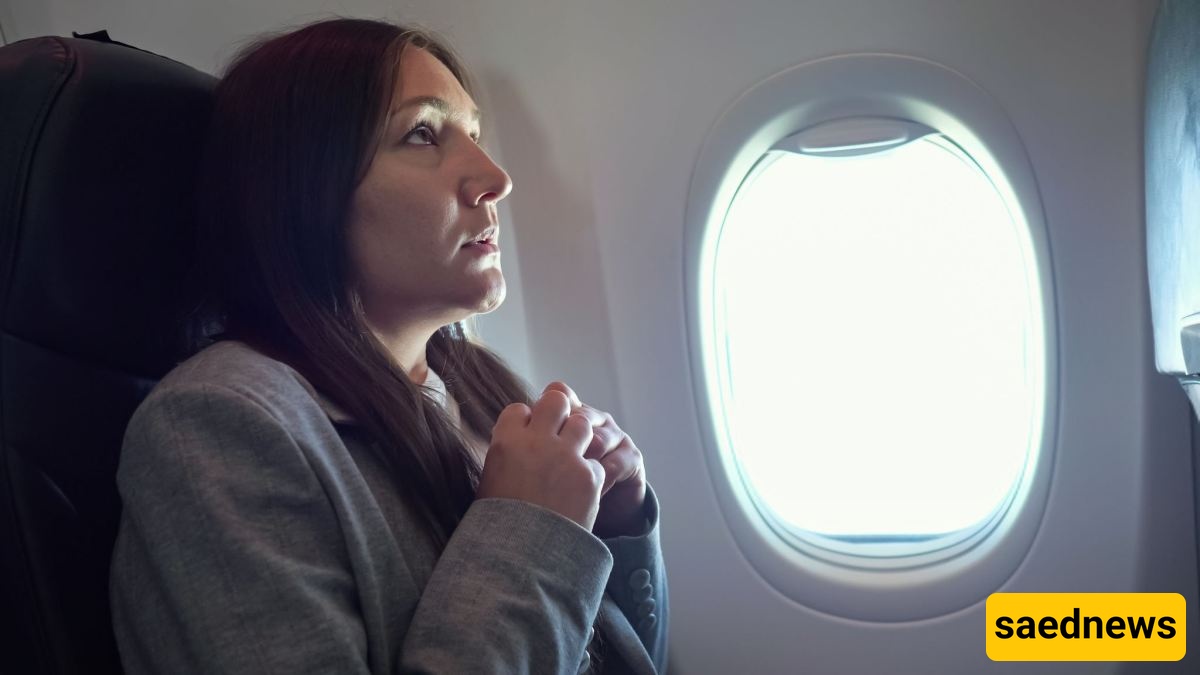
Avoiding flights altogether can reinforce fear over time.
Gradual exposure involves becoming familiar with flight-related situations step by step. For example, you might:
Watch videos of aircraft taking off and landing.
Visit an airport without taking a flight.
Take a short flight.
Gradually work towards longer journeys.
This process should be approached patiently, without unnecessary pressure. People with severe anxiety should consider undertaking exposure therapy under the guidance of a qualified mental health professional.
An anxious mind often tends to imagine the worst possible outcome.
Thoughts such as "Something terrible will definitely happen" or "I will lose control" can intensify fear.
Try replacing these thoughts with more balanced and realistic statements, such as:
"Flying is statistically one of the safest ways to travel."
"I can manage this moment by breathing slowly."
"Feeling anxious does not mean that I am in danger."
"Turbulence is an ordinary part of air travel."
Cognitive behavioural therapy (CBT) is particularly effective in helping people identify and change unhelpful thinking patterns.
Good preparation can make travelling less stressful.
Consider choosing a seat where you feel comfortable, arriving at the airport early, and bringing useful items such as:
A bottle of water
Headphones
A book
Relaxing music
Entertainment to keep your mind occupied
It is also helpful to get enough sleep before travelling and avoid excessive caffeine consumption.
Preparing a list of relaxing activities for the flight can give you something positive to focus on during the journey.
Travelling with a trusted friend or family member can provide reassurance and help you feel more secure.
Talking to people who have experienced similar fears and successfully learned to manage them can also be encouraging.
In some cities, support groups and educational programmes are available to help passengers become more comfortable with flying.
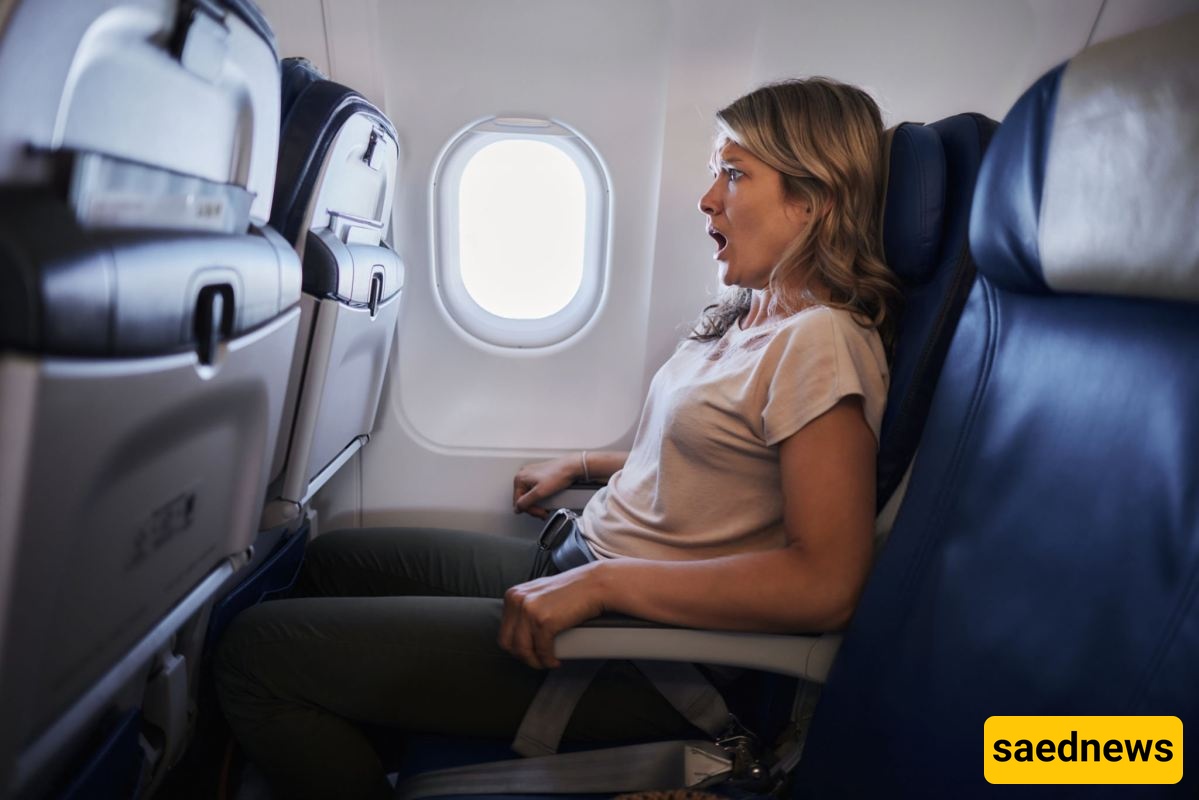
If fear of flying is severe and leads to extensive avoidance, repeated panic attacks, or difficulties with everyday functioning, professional support may be necessary.
A psychologist or psychiatrist can recommend appropriate treatments, including:
Cognitive behavioural therapy (CBT)
Exposure therapy
Medication, in selected cases
Taking medication before a flight without medical advice is not recommended. Any medication should only be used under the guidance of a qualified healthcare professional.
Airlines and airports can also play an important role in helping passengers overcome flight anxiety.
Providing clear information about flight procedures, training cabin crew to respond compassionately to anxious passengers, and offering reassuring safety explanations can improve the overall travel experience.
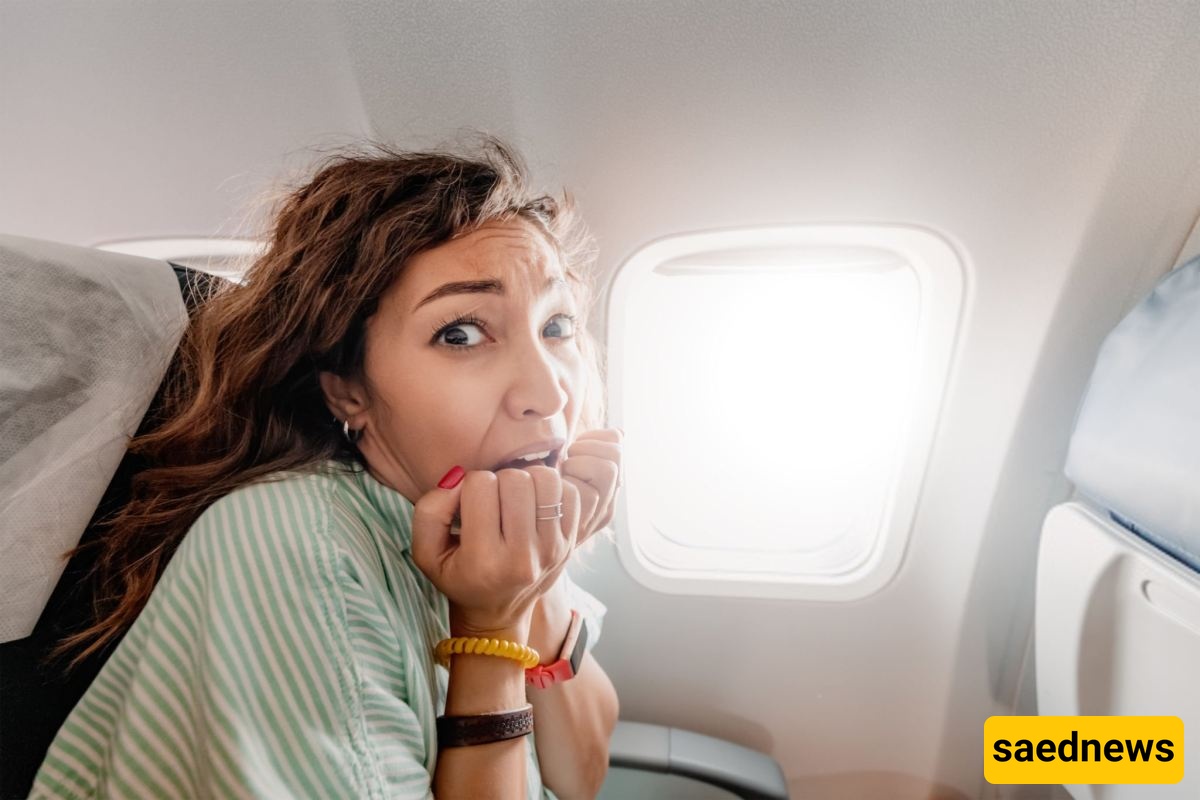
The media also has a responsibility to avoid sensationalising aviation accidents and to present a balanced, realistic picture of air travel safety.
Better public understanding of aviation can help reduce unnecessary fear and uncertainty.
You should consider seeking professional support if fear of flying:
Prevents you from taking essential or important trips.
Causes frequent panic attacks.
Significantly affects your sleep or appetite.
Leads you to rely on medication or alcohol to manage anxiety.
Interferes with your professional, personal, or social life.
Seeking treatment for fear of flying is not a sign of weakness. It is a positive and responsible step towards improving your mental well-being and quality of life.
Fear of flying can make even a routine journey feel overwhelming, but it does not have to determine where you go or what opportunities you pursue.
By understanding the causes of flight anxiety, learning effective relaxation techniques, gradually facing your fears, and seeking professional support when necessary, you can build confidence and make air travel a more comfortable experience.
The goal is not necessarily to eliminate every feeling of anxiety, but to develop the confidence and skills to fly without allowing fear to control your decisions.