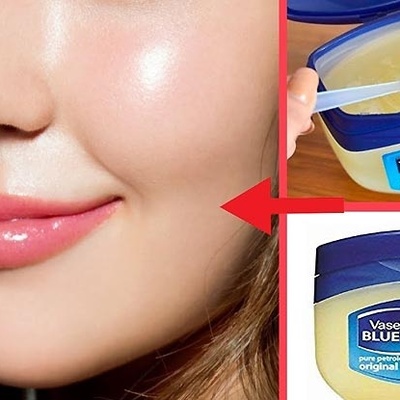
SAEDNEWS: Vaseline is one of the most widely used skincare products, but claims that it whitens the skin have gained popularity on social media. This article examines the science behind these claims and explains the difference between temporary skin brightening and actual skin whitening.
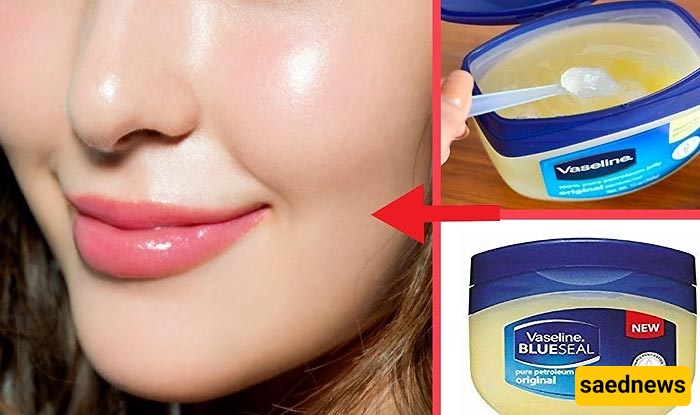
According to Saednews, Vaseline is one of the most widely used skincare products worldwide, found in millions of households for more than a century. From treating dry lips and cracked heels to protecting a baby’s skin and removing makeup, this colorless jelly has a wide range of uses. However, in recent years, an unusual claim has spread across social media and some websites: “Vaseline whitens the skin.” This has led many people to seek a clear, science-based answer and even consider Vaseline an alternative to skin-lightening creams.
The short answer is clear: Vaseline does not have any inherent skin-whitening or skin-lightening properties. However, the full picture is more nuanced. To understand the issue properly, we need to examine what Vaseline actually does to the skin, why some people believe their skin looks lighter after using it, and what results can realistically be expected from this product. This article explores the subject in detail, drawing on established international knowledge and dermatological principles.
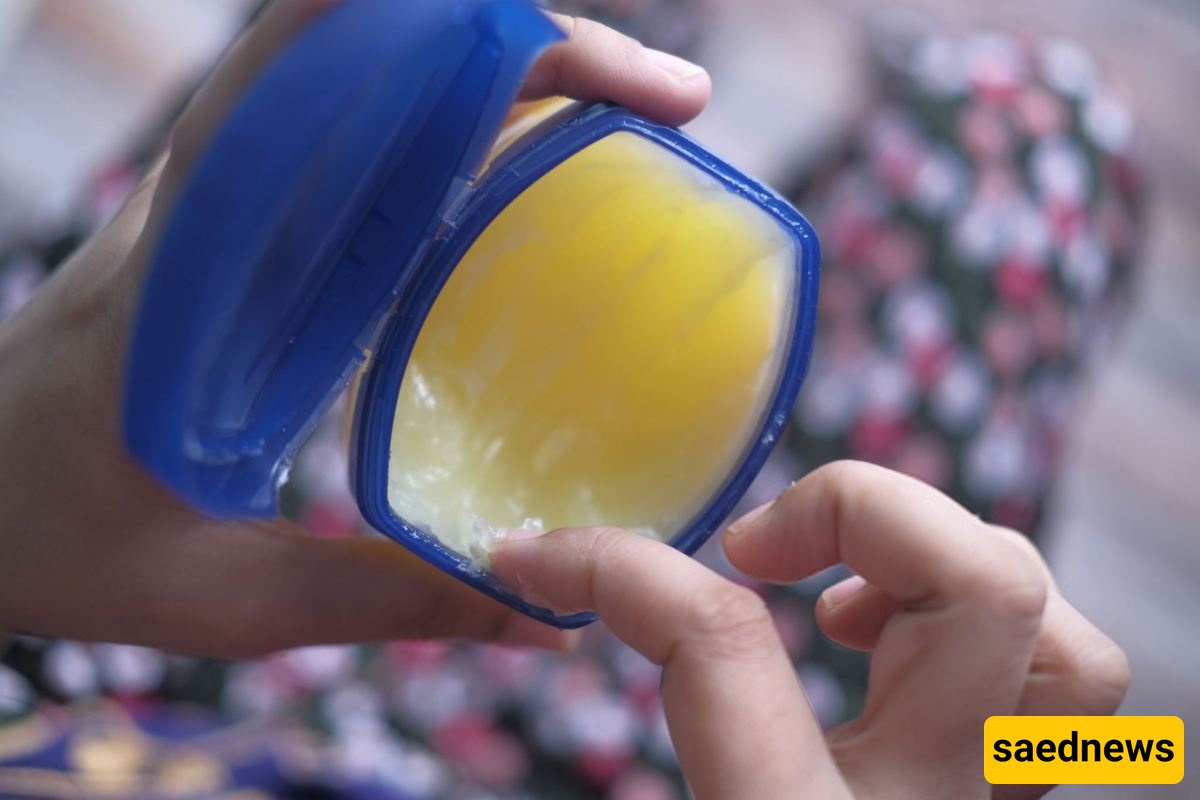
Vaseline, also known as petroleum jelly, is a semisolid substance obtained through the refining of petroleum. Its main composition consists of a mixture of saturated hydrocarbons with long molecular chains. Standard petroleum jelly intended for skincare should be colorless, odorless, and manufactured to pharmaceutical or cosmetic-grade standards to remove harmful impurities.
The most important property of Vaseline is its occlusive effect. This means it forms a protective layer on the skin's surface, helping prevent water evaporation and moisture loss. Research published in dermatology journals indicates that petroleum jelly can reduce transepidermal water loss by approximately 98%, making it one of the most effective moisturizing agents available.
The key point is that Vaseline does not penetrate deeply into the skin. Rather than being absorbed, it primarily remains on the surface, acting as a protective barrier. Consequently, it does not directly affect melanocytes, the cells responsible for producing the pigment melanin, and cannot change the skin's natural color.
To answer the main question accurately, it is important to understand the difference between two concepts: improved appearance and genuine skin lightening. Many people who claim that Vaseline has whitened their skin may actually be noticing an improvement in its appearance rather than a change in pigmentation.
When skin becomes dry, dehydrated, or flaky, it can look dull, grayish, and lifeless. Dead skin cells accumulate on the surface and interfere with the way light reflects off the skin. By helping retain moisture, Vaseline can improve skin hydration, allowing the surface to appear smoother and healthier. The result may be a fresher, more radiant complexion that creates the impression of lighter skin.
However, actual skin lightening involves reducing melanin production or decreasing the activity of pigment-producing cells. Certain ingredients, such as hydroquinone, arbutin, kojic acid, niacinamide, and vitamin C, may help address pigmentation when used in appropriate formulations and concentrations.
Vaseline contains none of these active ingredients. Therefore, it cannot permanently lighten the skin's natural pigmentation.
Several factors may explain why this belief has gained popularity.
First, Vaseline is often combined with other ingredients, such as vitamin E, glycerin, or skin-lightening creams. In many home remedies, people mix it with turmeric powder, lemon juice, or other substances and later attribute any changes in their skin to Vaseline, even when the other ingredients may be responsible.
Second, Vaseline's strong moisturizing effect can improve the skin's appearance. Many people mistake this quick improvement for a whitening effect.
Third, misleading advertisements and unscientific social media content frequently promote exaggerated skincare claims to attract attention.
Finally, personal experience and the placebo effect may influence people's perceptions. Someone who already believes Vaseline will lighten their skin may interpret any visible improvement as evidence of whitening.
To understand how Vaseline works, it helps to examine its main functions. By forming a protective layer on the skin's surface, it provides several benefits.
Moisture retention: By reducing water evaporation, Vaseline helps preserve the skin's natural moisture and supports the restoration of its protective barrier.
Protection against irritants: Its barrier helps reduce direct exposure to irritants, pollutants, and cold winds.
Support for minor wound healing: Studies suggest that applying Vaseline to minor wounds can create the moist environment needed for healing. This environment supports the movement of cells involved in skin repair.
Reduction in visible redness: As the skin heals and inflammation subsides, redness may decrease, making the complexion appear more even. This improvement can sometimes be mistaken for a whitening effect.
None of these mechanisms directly alters melanin or the skin's natural pigmentation. Vaseline is therefore a skincare and skin-protective product, not a whitening agent.
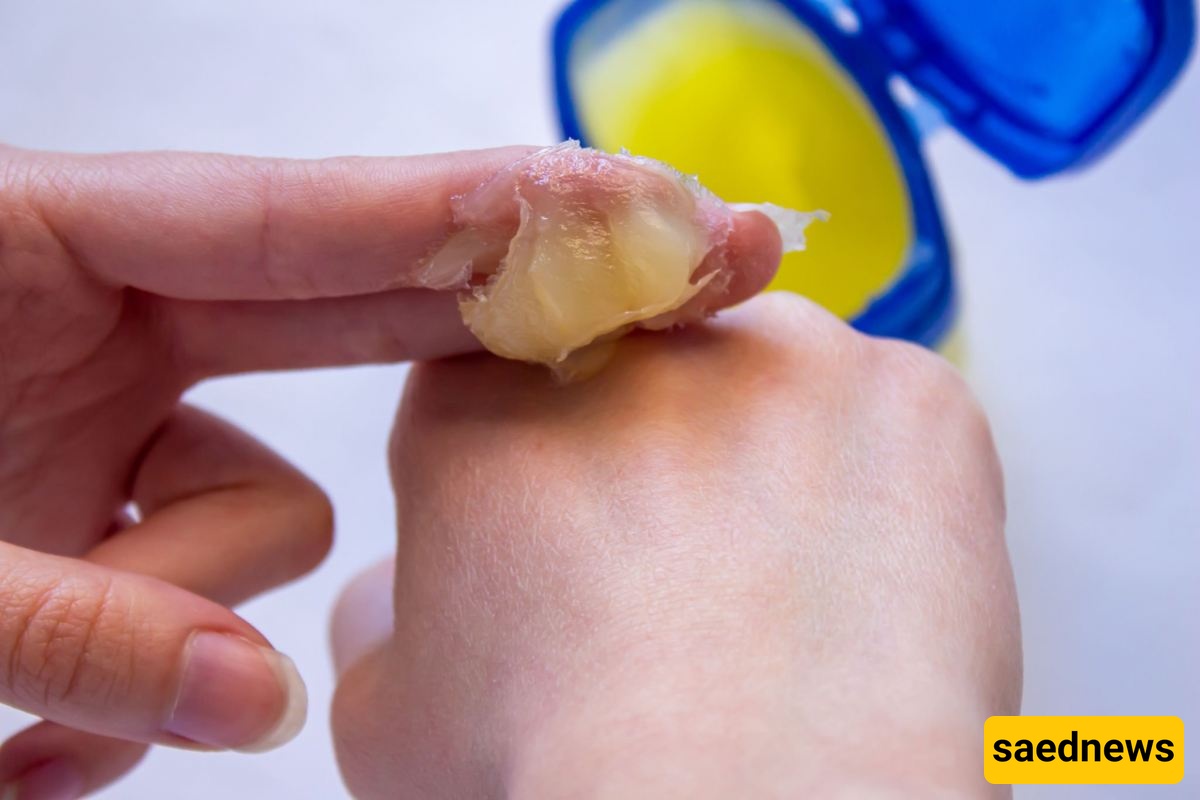
Dark spots and skin discoloration generally result from excess melanin accumulating in particular areas of the skin. These changes can be caused by sun exposure, hormonal conditions such as melasma, post-acne inflammation, or skin injuries.
Reducing these spots usually requires addressing melanin production or promoting the removal of pigmented skin cells.
Vaseline does not directly perform either of these functions. Applying it alone to dark spots is therefore unlikely to make them disappear.
However, its protective properties may help support the skin barrier and reduce irritation, particularly when used on sensitive areas or following certain skincare treatments. In this sense, Vaseline plays a supportive and protective role rather than directly treating pigmentation.
Dermatologists may recommend products containing active ingredients such as niacinamide, tranexamic acid, hydroquinone, retinoids, or vitamin C to address specific types of dark spots. Vaseline may be used alongside appropriate treatments as a moisturizer or protective layer.
Another common belief is that Vaseline can eliminate scars. In reality, it can be helpful during the healing of fresh wounds because it maintains a moist environment that supports skin repair and helps prevent thick scab formation.
However, Vaseline generally has little effect on established, older scars. These scars often result from changes in collagen and the structure of the skin. Depending on the type of scar, treatments may include laser therapy, microneedling, chemical peels, or silicone-based gels.
Vaseline alone cannot restore the altered structure of an established scar.
To better understand the difference between moisturizing and treating pigmentation, it is useful to review some ingredients commonly used in evidence-based skincare products.
Hydroquinone: A well-known skin-lightening agent that reduces melanin production by inhibiting the enzyme tyrosinase. Its use should be guided by a qualified healthcare professional.
Niacinamide: A form of vitamin B3 that can help reduce pigmentation by limiting the transfer of melanosomes to skin cells.
Vitamin C: An antioxidant that may help improve uneven skin tone through its effects on pigmentation pathways and oxidative stress.
Arbutin and kojic acid: Ingredients that can inhibit tyrosinase and help reduce the appearance of hyperpigmentation.
Retinoids: Compounds that accelerate skin-cell turnover and can help improve certain forms of discoloration.
Tranexamic acid: An ingredient used to help manage melasma and some forms of persistent pigmentation.
None of these active ingredients is naturally present in ordinary Vaseline. Comparing petroleum jelly with dedicated skin-lightening products is therefore misleading because they serve different purposes.
Many homemade skincare recipes combine Vaseline with other substances. Some mixtures may cause irritation or other unwanted effects.
Vaseline and lemon juice: Lemon juice is acidic and can irritate the skin. Certain citrus compounds may also cause phototoxic reactions after sun exposure, potentially leading to further discoloration.
Vaseline and turmeric: Turmeric may temporarily stain the skin yellow, and some people may experience irritation or allergic reactions.
Vaseline and vitamin E: This combination may provide additional moisturizing benefits, but it has no established significant skin-whitening effect.
Vaseline and glycerin: These ingredients can complement each other in moisturizing routines, particularly for dry skin. Glycerin attracts water, while Vaseline helps reduce moisture loss.
It is important to remember that combining Vaseline with other ingredients does not turn Vaseline itself into a skin-lightening agent. Its primary role remains helping retain moisture and protect the skin barrier.
Vaseline can be particularly useful for the following groups:
People with very dry skin: It helps retain moisture and protect dry, cracked areas.
People with sensitive skin: Pure petroleum jelly generally contains no fragrance or added dyes and is often well tolerated, including by infants when used appropriately.
People exposed to cold weather and wind: Its protective barrier helps shield the skin from harsh environmental conditions.
People recovering from minor wounds: It can support healing by maintaining a moist environment, provided the wound is appropriately cleaned and cared for.
People with certain skin conditions: It may serve as a supportive moisturizer for conditions such as eczema and psoriasis, although it does not replace prescribed treatment.
Vaseline does not bleach the skin, reduce melanin production, or permanently change natural skin tone. Its primary benefits are moisturizing, protecting the skin barrier, and supporting the healing of minor wounds.
If your skin looks brighter after using Vaseline, the change is more likely due to improved hydration, smoother texture, or reduced dryness rather than actual whitening.
For dark spots or uneven pigmentation, consider evidence-based skincare ingredients and daily broad-spectrum sunscreen. Use Vaseline for what it does best: keeping skin moisturized, comfortable, and protected.