SAEDNEWS: From reducing acne and inflammation to brightening the skin and helping combat wrinkles, barberry offers several potential skincare benefits. In this article, we explore its active compounds, ways to use barberry for the skin, and important safety considerations.
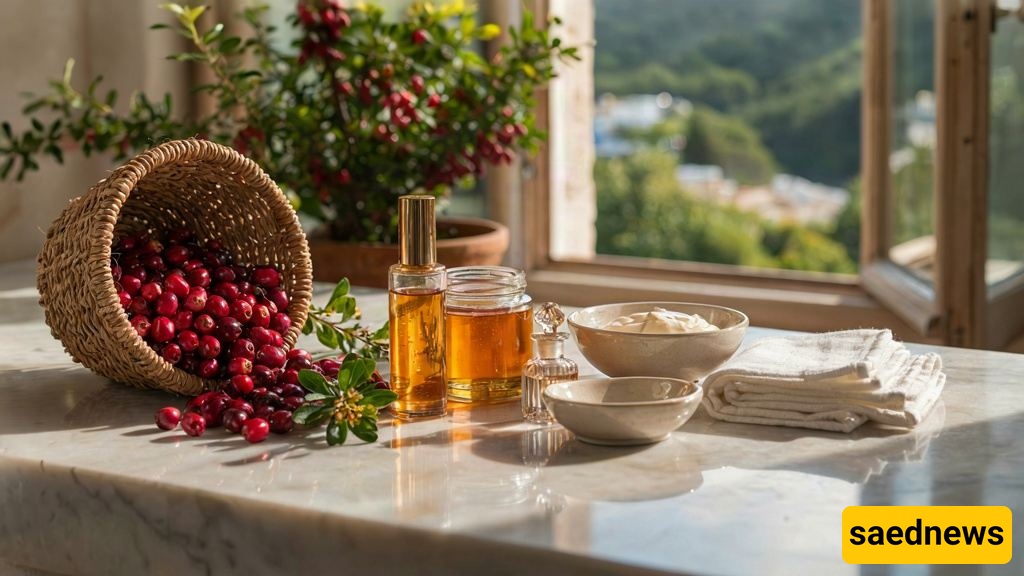
According to Saednews, Barberry, known for its ruby-red berries and long-standing place in Iranian cuisine and traditional medicine, is more than just a flavorful ingredient. For centuries, practitioners of traditional Iranian medicine have used the roots, stems, leaves, and fruits of the barberry plant for various health conditions. Modern research has also drawn attention to some of its active compounds. One particularly interesting area is its potential role in skin health and beauty. From supporting acne-prone skin and reducing inflammation to improving skin brightness and protecting against signs of aging, barberry may offer a natural addition to a skincare routine.
Scientifically known as Berberis vulgaris, barberry is a plant native to mountainous regions of Iran and Central Asia. Its red berries contain a variety of bioactive compounds that have attracted increasing interest in skincare research.
Some of the key compounds found in barberry include:
Berberine: An alkaloid with antibacterial, anti-inflammatory, and antioxidant properties.
Vitamin C: An important nutrient involved in collagen production and skin health.
Anthocyanins and carotenoids: Antioxidant pigments that may help protect skin cells from oxidative stress.
B vitamins: Nutrients involved in tissue repair and cellular regeneration.
Zinc, copper, and potassium: Essential minerals that contribute to overall skin health.
This combination of compounds has helped barberry extracts find a place in modern skincare formulations, ranging from products designed for acne-prone skin to brightening masks and serums.
One of the most discussed potential benefits of barberry for the skin is its ability to support acne-prone and inflamed skin. Berberine, one of the plant's best-known compounds, has demonstrated antibacterial and anti-inflammatory activity. It may help inhibit the growth of Cutibacterium acnes, a bacterium associated with acne, while also reducing inflammatory activity.
Barberry may also help regulate sebum production, which could make it particularly interesting for people with oily or acne-prone skin. However, its effects can vary depending on the formulation and concentration, and it should not be considered a replacement for established acne treatments.
Dark spots, uneven pigmentation, and melasma are common skin concerns. Barberry contains vitamin C and antioxidant compounds that may support a more even-looking complexion.
Some of its compounds may influence melanin production by affecting tyrosinase activity, an enzyme involved in pigment formation. For this reason, barberry extract is sometimes included in brightening skincare products.
Regular use of a properly formulated product may gradually contribute to a clearer and more radiant appearance. Results are generally gradual, and consistent skincare and sun protection remain important.
Skin aging is influenced by factors including oxidative stress and changes in collagen production. Antioxidants found in barberry, including anthocyanins, can help neutralize free radicals and protect cells from oxidative damage.
Vitamin C also plays an important role in collagen synthesis, which contributes to skin firmness and elasticity. These properties have made barberry extract an ingredient of interest in anti-aging skincare products.
With continued use of suitable formulations, antioxidant-rich skincare may help support smoother-looking skin and maintain a youthful appearance.
Oily skin is often associated with increased shine, enlarged-looking pores, and a greater tendency toward breakouts. Barberry has traditionally been described as having mild astringent properties, which may help reduce the appearance of excess oil and pores.
A properly formulated barberry-based toner may also be used as part of a cleansing routine. However, maintaining the skin's natural barrier is important, so overly concentrated or drying preparations should be avoided.
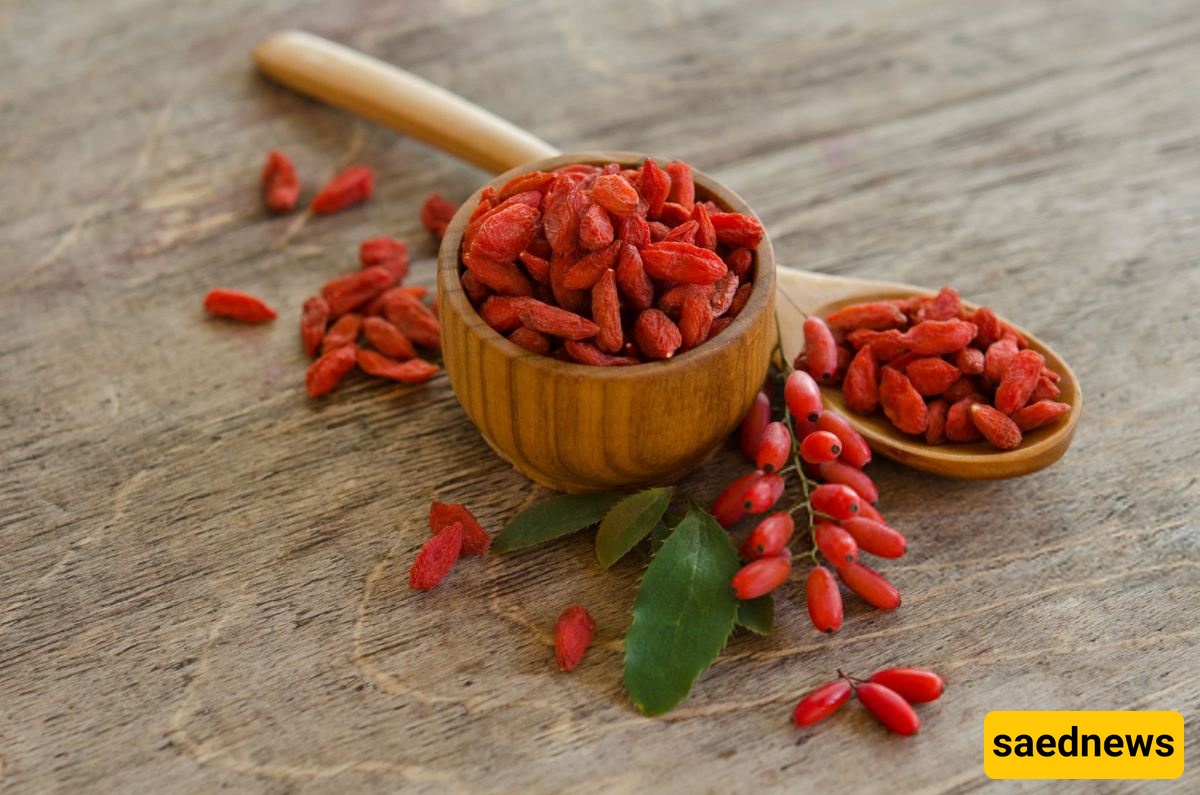
Beyond acne, berberine has demonstrated antibacterial and antifungal activity in laboratory and research settings. These properties have contributed to interest in barberry for various skin-related applications.
Traditional medicine has also used preparations made from parts of the barberry plant for cleansing wounds and treating certain skin complaints. However, traditional use should not be confused with proven treatment for skin infections, and suspected infections should be evaluated by a healthcare professional.
Some compounds in barberry may support processes involved in tissue repair and inflammation control. Nutrients such as zinc and B vitamins also play important roles in normal skin maintenance and cellular function.
As a result, barberry has attracted interest as a potential ingredient in products designed to support damaged or irritated skin. Evidence for treating scars or accelerating wound healing, however, remains limited, and raw barberry preparations should not be applied to open wounds without appropriate medical guidance.
Skin is exposed every day to air pollution, ultraviolet radiation, and other environmental stressors. Antioxidants in barberry may help protect skin cells from oxidative stress caused by these exposures.
This antioxidant activity may contribute to maintaining a brighter, healthier-looking complexion. Nevertheless, barberry products cannot replace sunscreen, which remains essential for protecting the skin from UV-related damage and pigmentation.
Barberry can be incorporated into a skincare routine in several ways:
Barberry face mask: Dried barberry powder can be mixed with ingredients such as yogurt or honey and applied to the skin for a short period. Because acidic or concentrated mixtures can irritate the skin, a patch test is advisable before broader use.
Barberry toner: A properly prepared barberry extract may be used in a formulated toner. Commercial products are generally preferable because their concentration and ingredients are controlled.
Barberry tea: Barberry tea is traditionally consumed as a beverage and provides dietary plant compounds. However, drinking barberry tea should not be regarded as a proven treatment for skin conditions.
Serums and creams containing barberry extract: Commercial skincare products containing standardized barberry extracts offer a more controlled approach and are generally more practical for regular topical use.
Although barberry has potential benefits, it is not suitable for everyone, and concentrated preparations require caution.
Patch testing: Apply a small amount of a new topical product to a limited area, such as the inner forearm, and monitor the area before using it more broadly.
Pregnancy and breastfeeding: Oral berberine is generally not recommended during pregnancy and should only be used during breastfeeding under appropriate medical guidance.
Medication interactions: Berberine can interact with certain medications, including some medicines used for blood sugar control and blood clotting. Anyone taking medication should consult a healthcare professional before using concentrated berberine-containing supplements.
Sensitive skin: Highly concentrated extracts may cause irritation or burning. Start with appropriately formulated products and discontinue use if irritation develops.
Children: Concentrated barberry or berberine preparations should not be used on children without professional medical advice.
Barberry is a traditional plant with a range of bioactive compounds, particularly berberine and antioxidant pigments. Its potential antibacterial, anti-inflammatory, and antioxidant properties make it an interesting ingredient for modern skincare, especially in products aimed at oily, acne-prone, or uneven-looking skin.
However, many of the proposed skincare benefits require further human research. Barberry should therefore be viewed as a complementary skincare ingredient rather than a proven cure for acne, pigmentation, infections, or signs of aging.