SAEDNEWS: Room temperature can change at different speeds because of factors such as insulation, sunlight, room size, windows, and heating-system airflow.
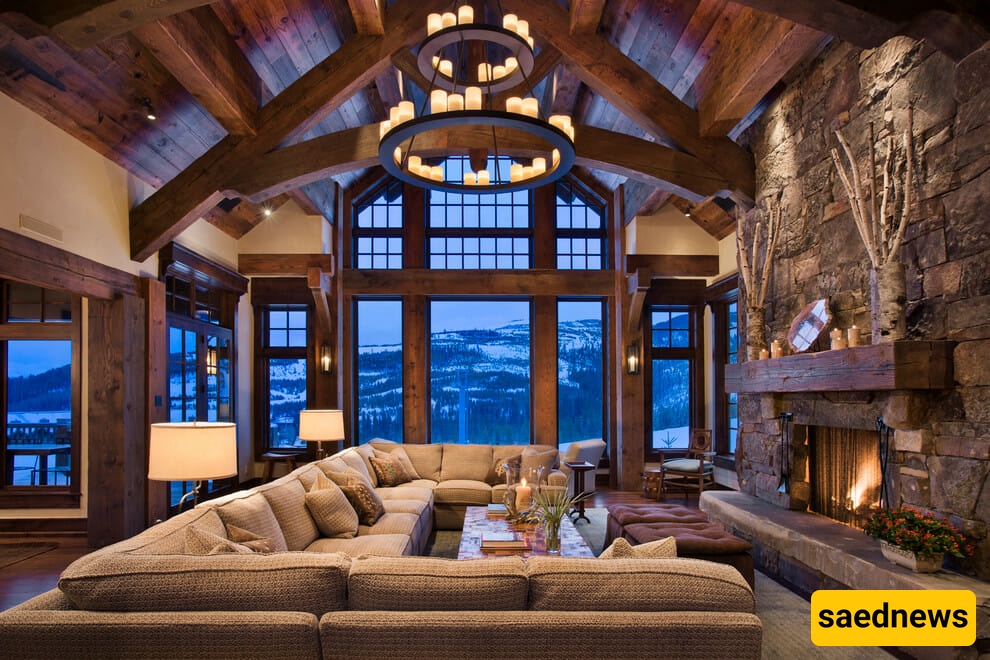
According to SAEDNEWS, two rooms in the same home can reach noticeably different temperatures even when they use the same heating system. The difference is usually related to how much heat enters the room, how quickly it spreads, and how much heat escapes through the walls, windows, ceiling, or floor.
Several features can make one room warm faster than another:
Sunlight exposure: A room with windows receiving direct sunlight can gain additional heat during the day, particularly when sunlight passes through the glass.
Window size and quality: Large windows may allow more heat exchange with the outdoors. Older or poorly insulated windows can also increase heat loss.
Insulation: Well-insulated walls, ceilings, and floors reduce heat escaping from the room, allowing the temperature to rise and remain stable more easily.
Room size: A smaller room generally requires less energy to raise its air temperature than a much larger room, assuming other conditions are similar.
Heating-system airflow: Rooms located closer to radiators, vents, or other heat sources may receive warm air or radiant heat more effectively.
Doors and openings: A frequently opened door can allow warm air to move into other areas and introduce cooler air, slowing the temperature increase.
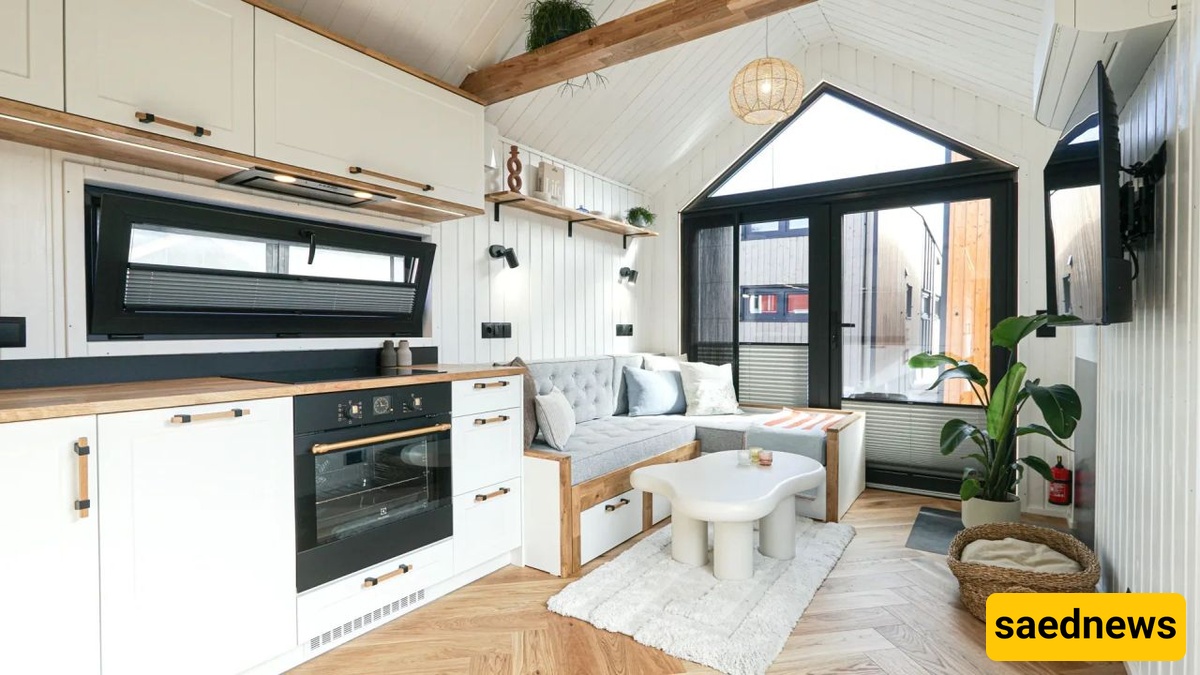
The position of the heat source also affects how quickly a room feels warmer. Warm air naturally rises, while cooler air tends to move downward, creating circulation within the room. If airflow is restricted by furniture, curtains, or other obstacles, heat may not spread efficiently.
A room can therefore have a warm area near the radiator while other parts remain cooler. The temperature measured in one location may not represent the temperature throughout the entire room.
The same factors that help a room heat quickly can also influence how long it stays warm. Strong insulation and fewer sources of heat loss generally help retain heat after the heating system is turned down. By contrast, a room with exposed exterior walls, poorly insulated windows, or substantial air leakage may cool more rapidly.
This is why heating speed should not be judged only by the size or power of a radiator. The building's insulation, window characteristics, room location, sunlight exposure, and air movement all contribute to the overall result.
Understanding these factors can also help explain why adjusting a heating system does not always produce the same temperature change in every room. Sometimes the issue is not simply how much heat is being produced, but how effectively that heat is reaching and staying in the space.