SAEDNEWS: Hotel rooms can feel noticeably more comfortable because of differences in lighting, noise, temperature, layout, cleanliness, and sensory details.
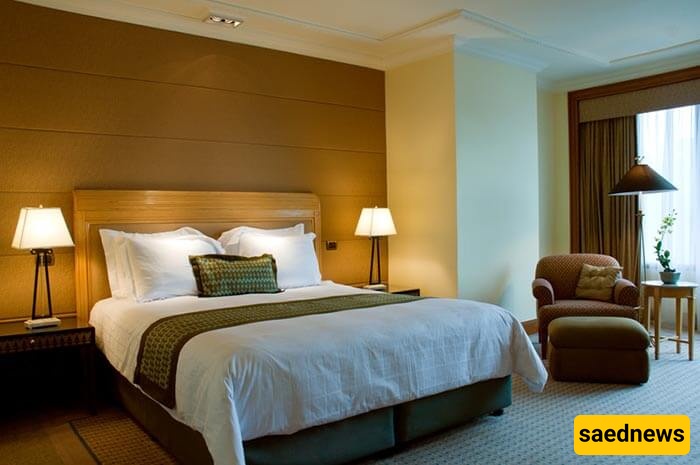
According to SAEDNEWS, the feeling a hotel room creates is rarely determined by one feature alone. A room may seem unusually pleasant when several environmental factors work together to reduce sensory stress and make the space feel comfortable and easy to use.
Lighting can strongly influence how a room feels. Rooms with balanced natural light and warm, adjustable evening lighting often appear more inviting than spaces dominated by harsh overhead lights. Access to daylight can also help people maintain a more natural sense of time during a stay.
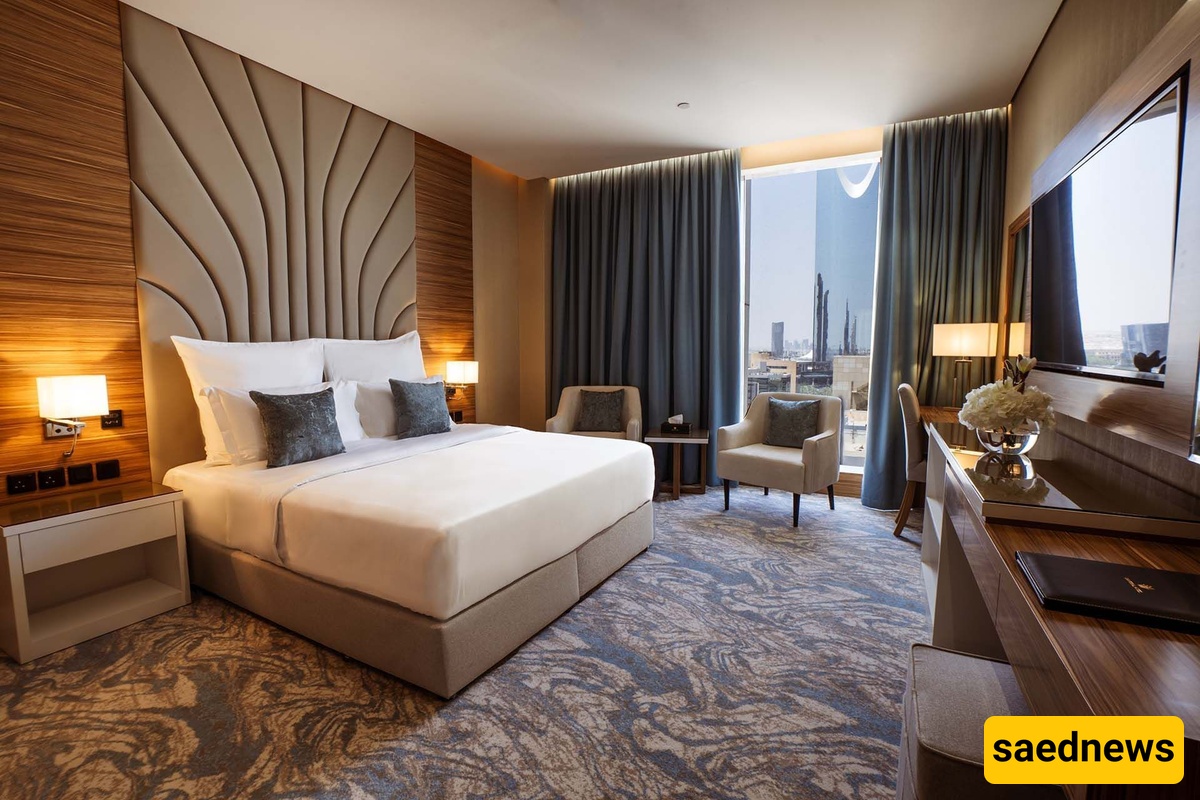
A comfortable room is not necessarily the warmest or coolest one. Personal preference matters, but excessive heat, stuffiness, or poor ventilation can make a space feel unpleasant. Fresh air and a comfortable temperature can make the room easier to relax in, particularly after a long day of travel.
A visually attractive room may still feel uncomfortable if guests can constantly hear traffic, elevators, doors, or neighboring rooms. Quiet surroundings reduce unwanted sensory stimulation and make it easier to rest. This is one reason two rooms in the same hotel can create very different experiences.
Several seemingly minor features can also influence how comfortable a hotel room feels:
A practical layout: Furniture that leaves enough clear walking space makes the room easier to navigate.
A tidy environment: Clean surfaces and an uncluttered arrangement can make the space feel more orderly.
Comfortable bedding: Mattress firmness, pillow choice, and bedding texture directly affect physical comfort.
Convenient controls: Easily accessible switches, outlets, curtains, and bedside lighting reduce small frustrations.
Pleasant visual balance: Coordinated colors and limited visual clutter can make the room feel calmer.
Floor level, window position, exposure to outdoor noise, room size, lighting conditions, and proximity to elevators or service areas can all change the experience. Even when rooms have similar furniture and decoration, their surroundings may create noticeably different levels of comfort.
Ultimately, a hotel room feels better when its physical environment supports both comfort and a sense of control. Good lighting, manageable noise, suitable temperature, practical design, and cleanliness work together to create a space that feels easier to settle into.