SAEDNEWS: Fatigue can affect children’s emotions, attention, and self-control. Some may become irritable or restless, while others become unusually quiet or emotional. Understanding these changes can help parents respond with patience and support.
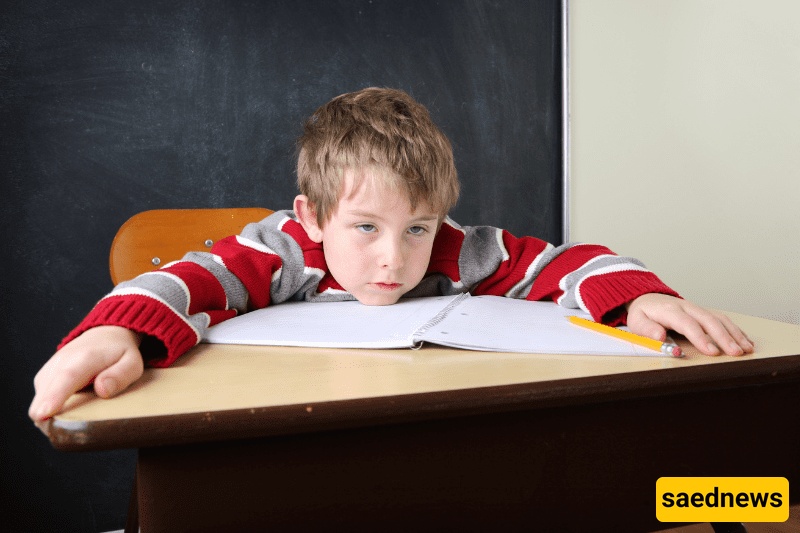
According to SAEDNEWS, children may behave differently when they are tired because fatigue makes it harder for them to control emotions and reactions. A child who normally stays calm may suddenly become impatient, sensitive, or easily upset. These changes are often a natural response to being physically or mentally exhausted.
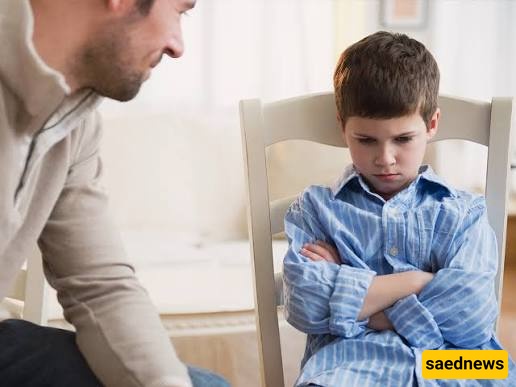
Some children show tiredness through crying, complaining, anger, or frequent arguments. Small problems may seem much bigger to them when they lack energy. Because their ability to manage frustration is temporarily reduced, they may react more strongly than they usually would.
Not every tired child looks sleepy. Some become more active, talkative, or restless when they need rest. Parents may mistake this extra energy for misbehavior, but it can sometimes be a sign that the child is overtired and having difficulty calming down.
Other children respond to fatigue by becoming unusually quiet or less interested in playing and talking. They may seem distracted, slow to respond, or prefer to be alone. Giving them a calm environment and enough time to rest can help them return to their usual behavior.
Recognizing the connection between tiredness and behavior can make difficult moments easier for both children and parents. A predictable bedtime, regular rest, quiet activities, and gentle communication can help children recover. Instead of immediately punishing unusual behavior, parents can first consider whether the child may simply need rest.