SAEDNEWS: Real Madrid and Barcelona spent the summer competing for several of the same players, but their biggest battles may now be decided on the pitch. Rodri became Barcelona’s major response, while Mourinho and Flick face very different problems in building balanced teams.
According to SaedNews: Spain’s summer transfer market has once again turned into a direct contest between Real Madrid and Barcelona. In recent weeks, the two historic rivals have not only pursued their own targets but have repeatedly found the same names on their shopping lists.
At one point, the competition even became something of a running joke: whenever reports linked Barcelona with a player, that player would seemingly appear in Madrid a few days later. Ibrahima Konate, Denzel Dumfries, Bernardo Silva and Marc Cucurella were among those associated with Barcelona before eventually moving closer to Real Madrid’s project. Barcelona, however, had a major answer in Rodri.
Real Madrid had been strongly interested in the Spanish midfielder, a point José Mourinho had also mentioned. Rodri nevertheless chose Barcelona, producing one of the summer’s most significant transfers in Spanish football.
The rivalry has now moved from the transfer market to the pitch. Mourinho at Real Madrid and Hansi Flick at Barcelona must show which project is better prepared.
Real Madrid were among the summer’s busiest clubs, with their recruitment indicating an intention to strengthen almost every area that had caused problems last season.
Ibrahima Konate and Bernardo Silva arrived as free agents, while Denzel Dumfries, Carlos Espay and Yan Diomande required transfer fees. Endrick also returned from his loan spell, adding further depth. Several players left, but Dani Carvajal’s departure was undoubtedly the most significant.
The Spanish defender had been one of Real Madrid’s key pillars for more than a decade. He may have received less attention than the club’s attacking stars, but his contribution to the team’s biggest successes was undeniable. Multiple injuries, particularly a cruciate ligament problem, combined with his approaching 35th birthday, eventually pushed Real Madrid toward a change.
Trent Alexander-Arnold and Dumfries are now the principal options at right-back, while Fede Valverde can cover the position when necessary. Mourinho’s bigger challenge, however, lies in midfield and attack.
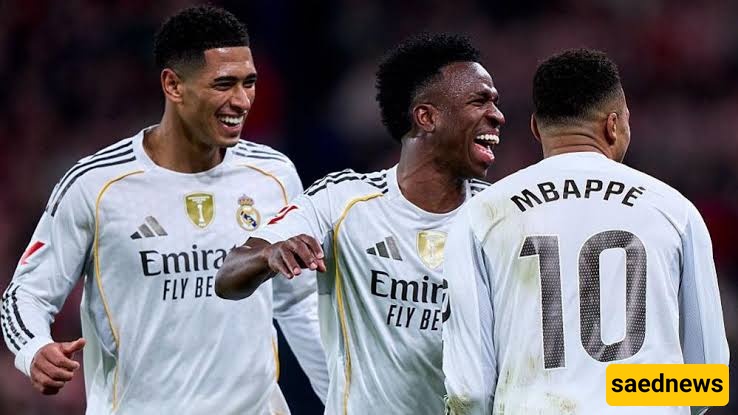
Perhaps the Portuguese coach’s biggest question is how to fit Kylian Mbappe, Vinicius Junior and Jude Bellingham into a balanced system.
Mourinho has pointed to the same issue, saying Ancelotti found an effective solution for Vinicius, Deschamps for Mbappe and Tuchel for Bellingham, but creating the ideal structure for all three together is a more difficult task. Now another element has entered the equation: Yan Diomande.
Real Madrid spent around €125 million on Diomande, naturally creating expectations that he will play regularly. Yet finding a place for an expensive star without disturbing the team’s balance is far from simple.
Mourinho must ensure that alongside the attacking stars, there are players capable of carrying out defensive duties. If he solves that equation, it will already represent a major tactical achievement before any trophy is won. When quality, tactical responsibilities and the ambitions of the stars are balanced, Real Madrid’s chances of winning titles also increase.
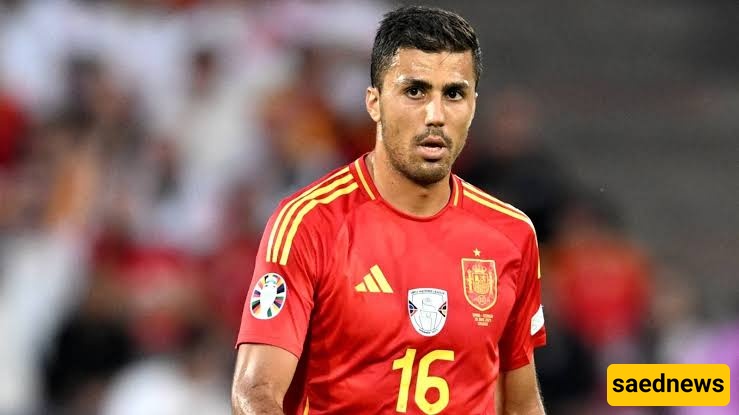
Barcelona, meanwhile, completed one of the summer’s biggest deals by signing Rodri. He is more than an ordinary defensive midfielder: he is a world-class player capable of controlling matches and giving Barcelona something it has repeatedly lacked in recent years—calmness and control during decisive moments.
Barcelona came close to success in the Champions League several times in recent seasons but were eliminated after small mistakes, lapses in precision or a loss of control. Rodri is precisely the type of player who can make a difference in those situations.
His style also fits Barcelona’s football. Possession, quick circulation, intelligent decisions and control of the match’s rhythm are central to his game. His arrival could therefore allow Flick to redesign the midfield structure. The problem is that Rodri cannot solve all of Barcelona’s weaknesses on his own.
Alongside Rodri, Barcelona have added players such as Anthony Gordon and Karim Adeyemi, while Joao Cancelo has also been acquired on a permanent deal. Yet two positions still require serious reinforcement: centre-forward and central defence.
Ronald Araujo has moved to Liverpool. The defender is physically powerful, but his style was not entirely suited to Flick’s very high and risky defensive line. Barcelona have also lost Robert Lewandowski and sold Ferran Torres. The main issue is that there is no ready-made replacement for the Spanish forward.
Barcelona were highly interested in Julian Alvarez, but the transfer still appears difficult to complete. Flick must therefore rely for now on internal options. Raphinha can operate through the middle, although his best performances usually come when he plays behind the striker or attacks from the wings. Playing as a centre-forward requires different qualities.
Alongside him, 18-year-old Egyptian striker Hamza Abdelkarim has impressed in friendly matches and scored several goals. He may develop into a major talent, but Barcelona cannot build an entire season around the possibility that an 18-year-old will break through.
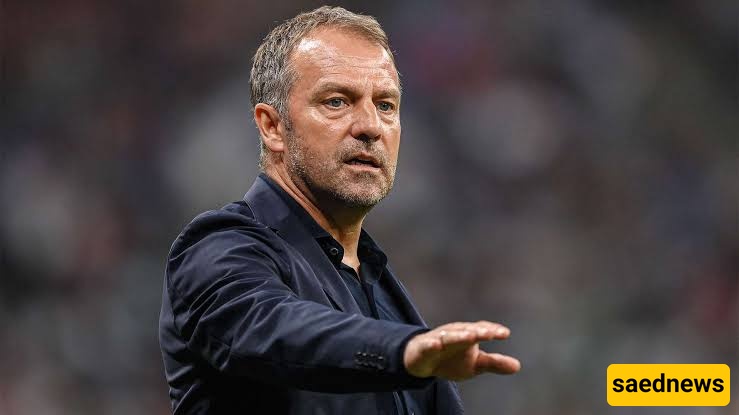
By signing Rodri, Barcelona showed that they intend to compete for titles in Spain and Europe. The move carries major technical and psychological importance, particularly because Real Madrid had also wanted the midfielder. Yet Barcelona have still not found two important pieces of their puzzle. Without a suitable centre-forward and reinforcement in central defence, even Rodri cannot cover every weakness.
Mourinho, meanwhile, faces an entirely different problem at Real Madrid: an abundance of stars and the difficulty of creating balance among them. The new La Liga season is therefore not simply a championship contest between two clubs. It is also a major tactical test for two experienced coaches.
Mourinho must prove he can coordinate some of the biggest stars in world football within one system, while Flick must show that Rodri can become the piece that turns Barcelona from a very good team into a genuine champion.
Ultimately, the outcome may depend not on the biggest names but on the smallest details—the same details that so often decide trophies in major matches.