SAEDNEWS: If you’re curious about how many calories white mulberries contain, you’ve come to the right place. Below, we’ll explore the calorie content of both fresh and dried white mulberries.
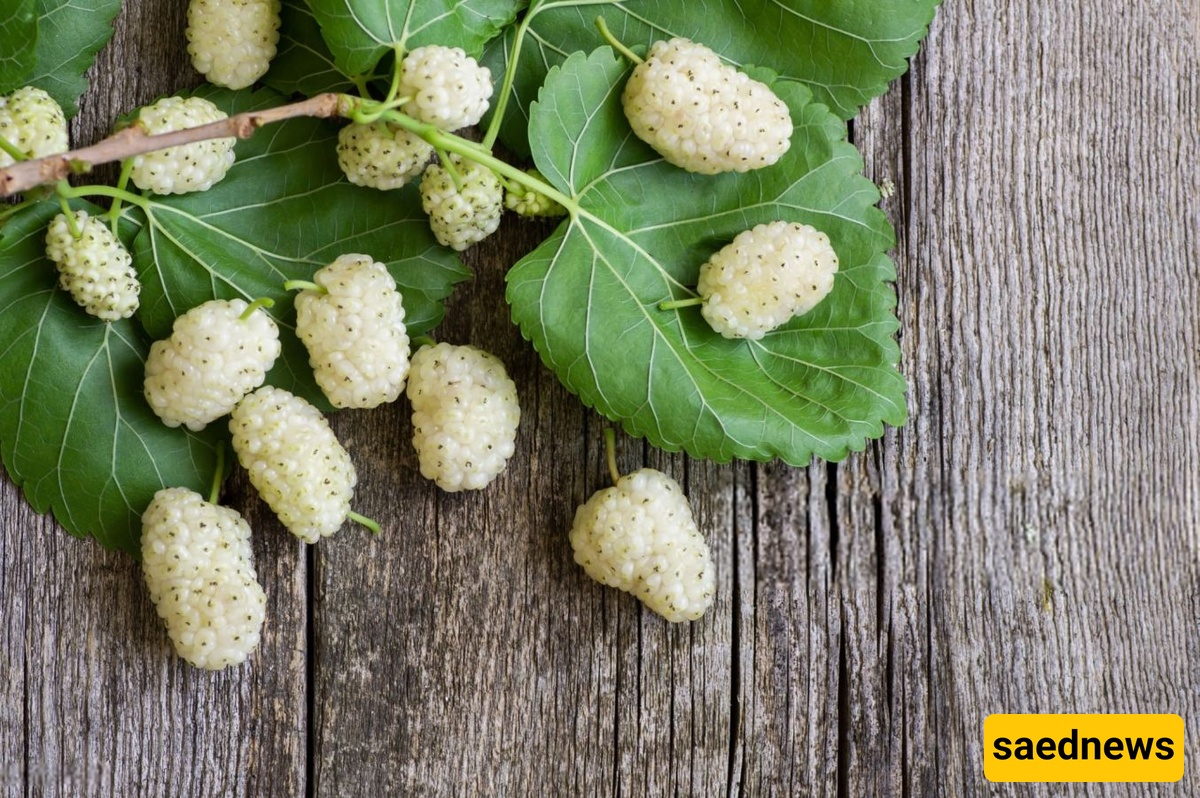
According to Saednews, White mulberries are among those fruits that are difficult to resist because of their pleasant sweetness and attractive appearance.
In this article, we will take a closer look at the calories in white mulberries and consider whether their calorie content needs to be taken seriously when following a weight-loss diet.
The health benefits of white mulberries have long been recognized. They have traditionally been used extensively in different countries as part of traditional medicine. Today, the fruit, leaves, roots, and stems of the white mulberry tree are used for a variety of medical and nutritional purposes.
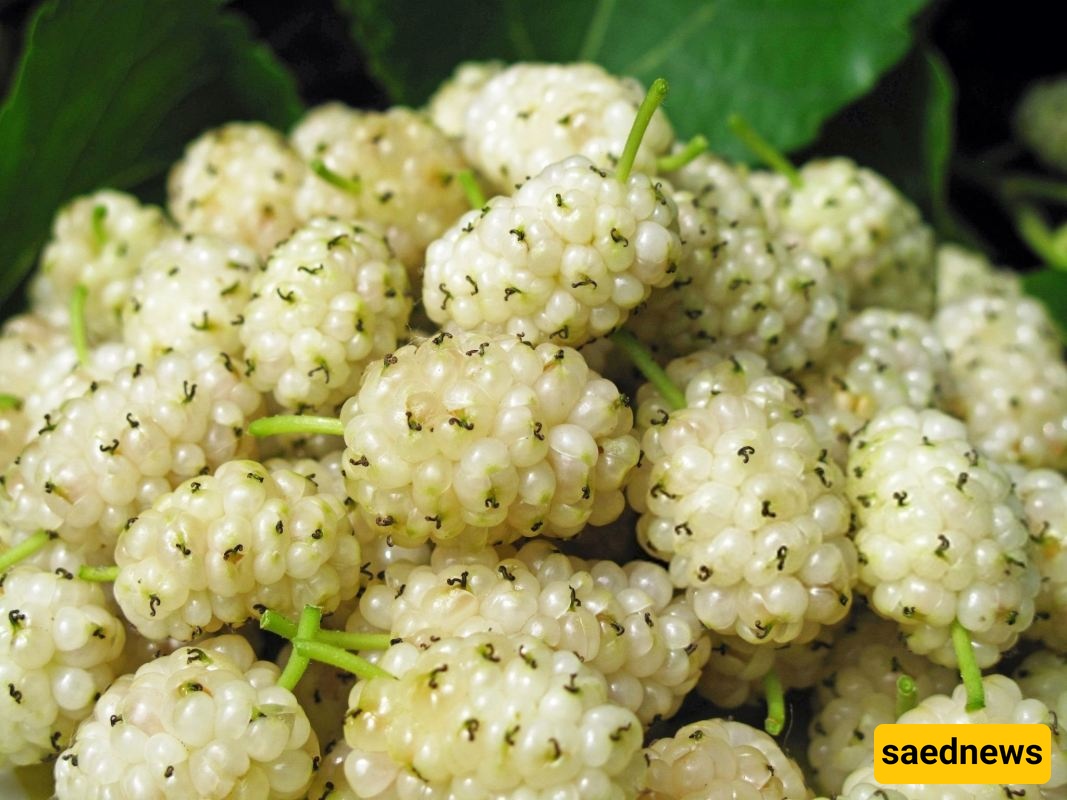
Every 100 grams of fresh white mulberries contains approximately 43 calories. This means that one fresh mulberry contains roughly 2 calories.
Nutrient | Amount per 100 g |
|---|---|
Calories | 43 kcal |
Calcium | 19 mg |
Fat | 0.3 g |
Iron | 8 mg |
Sugar | 8 g |
Fiber | 1.7 g |
Carbohydrates | 9.8 g |
Protein | 1.4 g |
Water | 80% |
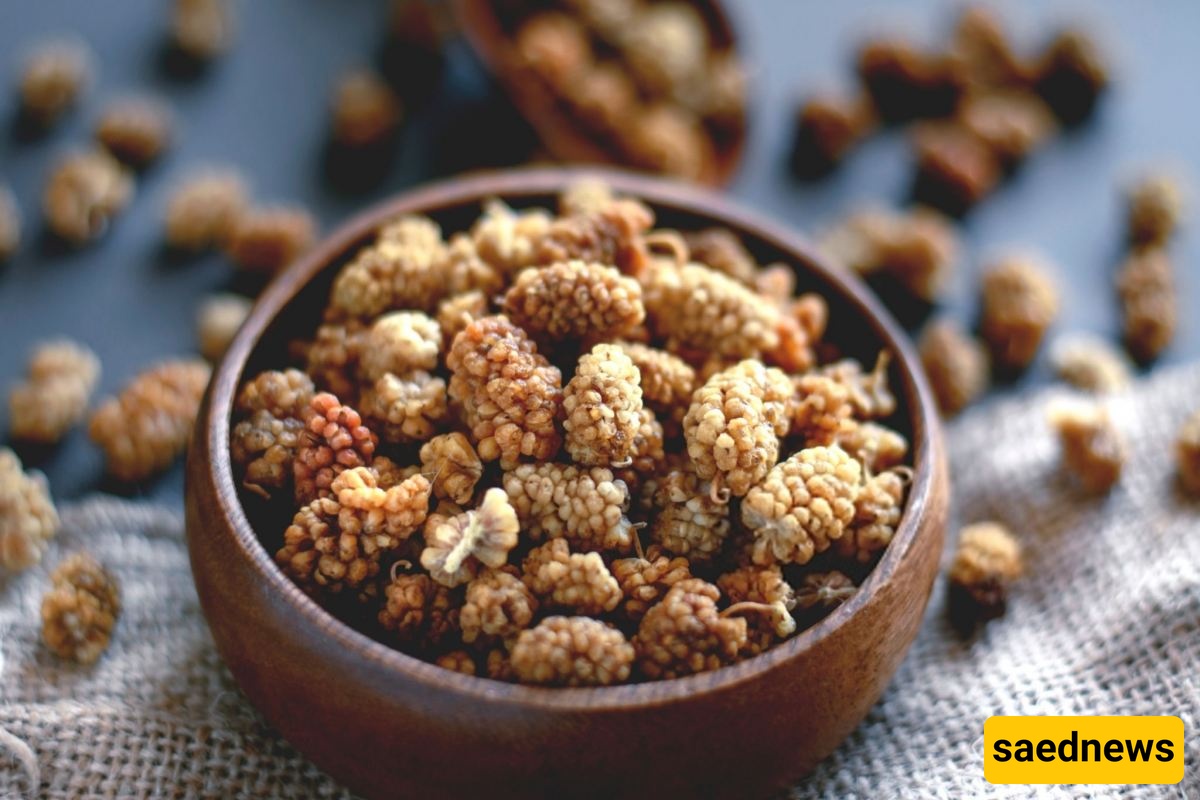
Dried white mulberries are considerably higher in calories because much of their water content has been removed. Every 100 grams contains approximately 365 calories.
Nutrient | Amount per 100 g |
|---|---|
Calories | 365 kcal |
Fat | 1.30 g |
Water | 8 g |
Calcium | 204 mg |
Sugar | 12 g |
Iron | 9.5 mg |
Fiber | 1.7 g |
Phosphorus | 198 mg |
Carbohydrates | 86 g |
Potassium | 1,073 mg |
Protein | 1.88 g |
Sodium | 20 mg |
White mulberries offer a range of potential health benefits. However, fruit and other foods should always be consumed in moderation and, in some cases, according to medical advice. People with conditions that may be aggravated by eating white mulberries should avoid excessive consumption.
The heart and brain are essential organs that play a central role in maintaining overall health. White mulberries contain beneficial nutrients and are traditionally considered supportive of cardiovascular health.
Including white mulberries as part of a balanced diet may contribute to maintaining healthy cholesterol levels. They are also a source of antioxidants and other nutrients that can support general heart health.
Vitamin C is important for maintaining healthy skin, while nutrients such as iron and zinc contribute to normal hair growth and overall health.
White mulberries contain vitamin C and minerals, making them a nutritious addition to a balanced diet. Their water content can also contribute to overall hydration.
Because fresh mulberries are seasonal, some people also use products derived from mulberry leaves for skin and hair care.
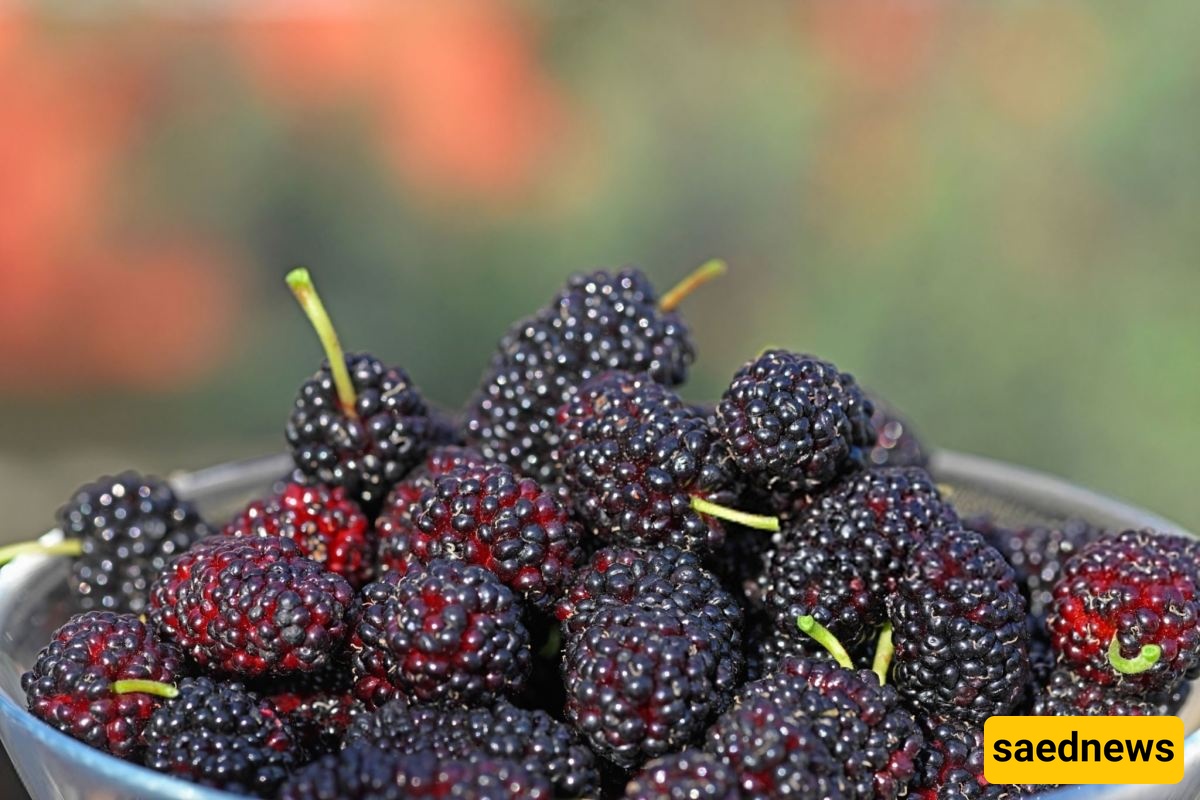
One commonly discussed benefit of white mulberries is their potential role in blood-sugar management. However, diabetes cannot be treated through diet alone, and people with diabetes should follow their healthcare provider's recommendations.
White mulberries contain naturally occurring sugars and carbohydrates. Although they can be included in a balanced diet, both fresh and especially dried mulberries should be consumed in appropriate portions because their carbohydrate and sugar content can contribute to blood glucose levels.
The liver plays an essential role in processing nutrients and removing substances from the body. A balanced diet rich in fruits and vegetables can support overall health.
White mulberries can be included as part of a varied diet, but claims that they directly cleanse or detoxify the liver should not be considered a substitute for medical treatment.
White mulberries contain dietary fiber, which is important for normal digestive function. Adequate fiber intake can help support regular bowel movements and overall digestive health.
Including fiber-rich foods such as fruit in a balanced diet may also help with feelings of fullness, which can be useful when managing body weight.
Fresh white mulberries are relatively low in calories, making them a suitable fruit to include in many weight-management diets.
Replacing highly processed sweets with naturally sweet foods such as fresh fruit can help reduce overall intake of added sugars. However, dried white mulberries are much more calorie-dense than fresh ones. Eating large portions of dried mulberries can therefore add a significant number of calories to your daily intake.
For weight loss, portion size and total daily calorie intake are more important than simply choosing one particular fruit.
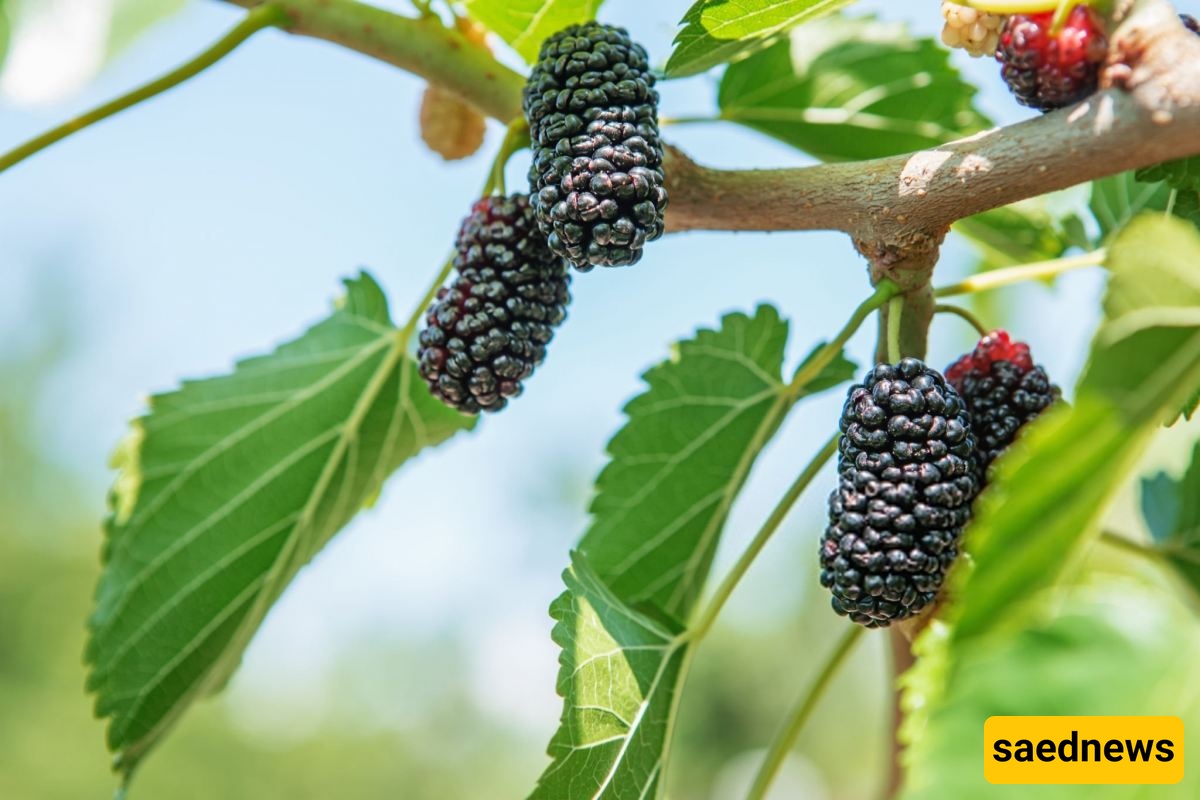
White mulberries contain vitamin C, an important nutrient for normal immune function. Eating a nutritious diet that provides adequate vitamin C can support the body's normal immune system.
Traditional medicine has also used preparations made from mulberry leaves and roots. However, such preparations should not be considered a replacement for proven medical treatment for colds or respiratory infections.
100 g fresh white mulberries: approximately 43 calories
100 g dried white mulberries: approximately 365 calories
The large difference is mainly because drying removes most of the fruit's water, concentrating its carbohydrates and calories.
In short: fresh white mulberries are a relatively low-calorie fruit, while dried white mulberries are much more calorie-dense. If you are trying to lose weight, fresh mulberries are generally easier to fit into a calorie-controlled diet, while dried mulberries should be enjoyed in moderation.