SAEDNEWS: Starch is not only a major source of energy; it also has numerous lesser-known benefits for the body and skin and may play a role in disease prevention. This article provides a comprehensive look at the benefits, potential drawbacks, and practical uses of starch.

According to Saednews, Starch is one of the most widely consumed carbohydrates found in nature and holds an important place in our daily diet. From potatoes and rice to wheat and corn, many common foods are rich in this valuable substance. But have you ever wondered whether starch offers benefits beyond providing energy, including potential effects on overall health, skin, and even the prevention of serious diseases? In this comprehensive article, we explore the nutritional properties and potential drawbacks of starch, its effects on the body, traditional and cosmetic uses, and important considerations for consumption.
Starch is rich in carbohydrates and provides the body with a substantial amount of energy. Approximately 370 calories are found in every 100 grams of pure starch. However, it is also important to consider the presence of other nutrients, including calcium, iron, fiber, and B vitamins, depending on the source of the starch. Starch itself is relatively limited in vitamins, but when consumed as part of a balanced diet, starch-containing foods can contribute to meeting the body's nutritional needs.
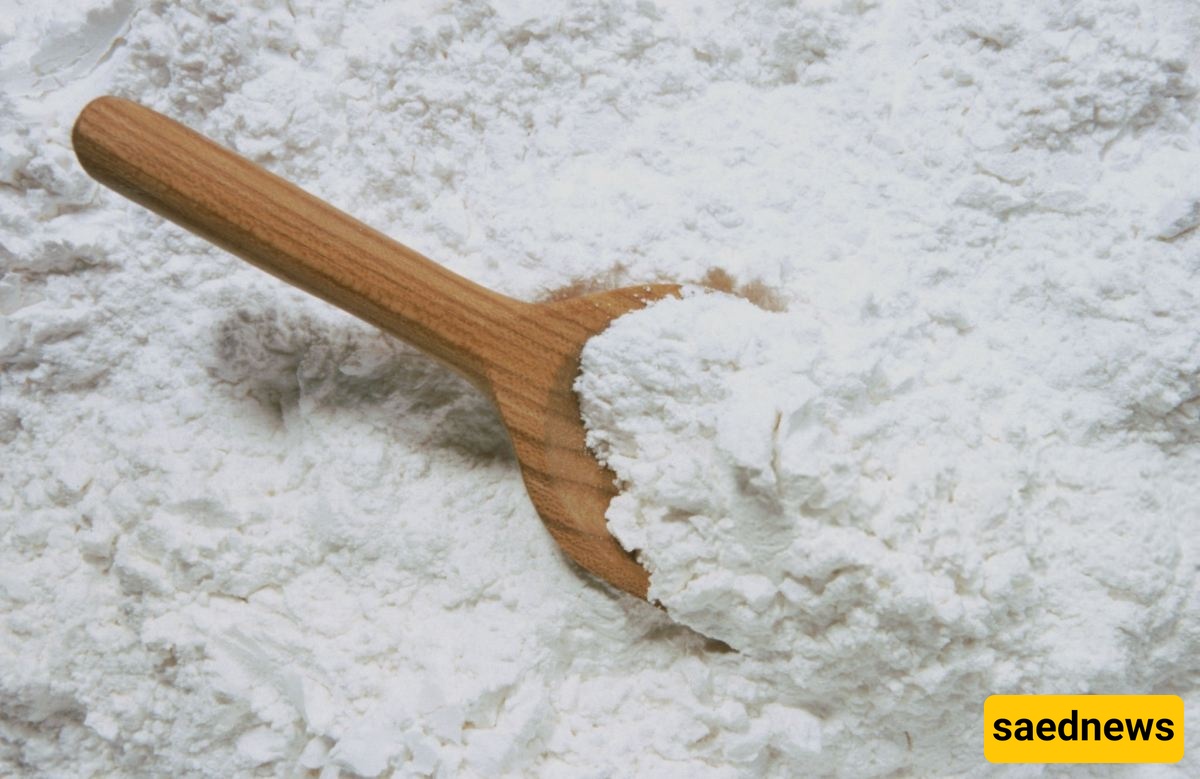
Starch, particularly resistant starch, may offer several health benefits. Some of the most important ones are discussed below.
Research suggests that resistant starch may help support colon health and could potentially reduce the risk of colorectal cancer. When resistant starch reaches the large intestine, beneficial gut bacteria ferment it and produce short-chain fatty acids such as butyrate. These compounds help maintain healthy intestinal cells and may inhibit processes associated with tumor development. People who consume large amounts of red meat may potentially benefit from including sources of resistant starch as part of a balanced diet.
Resistant starch is digested more slowly than rapidly absorbed carbohydrates, which may help moderate the release of glucose into the bloodstream. This can be particularly beneficial for people with type 2 diabetes. Studies have suggested that resistant starch may improve insulin sensitivity and reduce sharp increases in blood glucose after meals. It may also promote a longer-lasting feeling of fullness, which can support weight management.
Elevated levels of LDL cholesterol and triglycerides are important risk factors for cardiovascular disease. Some research indicates that resistant starch and other forms of dietary fiber may contribute to healthier cholesterol levels. Fiber can bind to bile acids in the intestine, reducing their reabsorption and helping the body eliminate them. As part of a balanced diet, fiber-rich starch sources may therefore contribute to cardiovascular health.
Resistant starch acts as a natural prebiotic, promoting the growth of beneficial gut bacteria such as bifidobacteria. These microorganisms support healthy digestion and may help reduce constipation and other digestive problems. Cooked starchy foods such as rice and potatoes are also commonly included in diets for people with digestive discomfort.
Starch is an important source of glucose, which supplies fuel for physical and mental activity. Complex carbohydrates in starchy foods can be broken down gradually, helping provide a steady source of energy. For this reason, consuming balanced portions of carbohydrate-rich foods at breakfast may help support concentration and cognitive performance.
Short-chain fatty acids produced when resistant starch is fermented in the gut play an important role in maintaining intestinal health. These compounds help support the integrity of the intestinal lining and contribute to the body's natural defense mechanisms. In this way, resistant starch may support overall health through its effects on the gut microbiome.
In addition to its dietary uses, starch has traditionally been used in home remedies and cosmetic applications. For people with dry, dull, or acne-prone skin, starch is sometimes used as a natural skin-care ingredient.
A mixture of starch and yogurt is traditionally used as a natural face mask intended to leave the skin looking brighter and feeling softer. The mixture can help remove surface impurities and dead skin cells. To prepare it, mix one tablespoon of starch with two tablespoons of yogurt and apply it to the skin for approximately 15 minutes before rinsing.
Because of its soothing and absorbent properties, starch has traditionally been used for minor skin irritation, sunburn, and heat rash in areas such as the groin and underarms. Applying a small amount of starch powder to irritated skin may help reduce moisture and discomfort. However, starch should not be applied to serious burns or open wounds.
Starch may absorb excess oil from the skin and can have a drying effect. It is therefore sometimes used in homemade remedies for acne. Mixtures containing starch, honey, and lemon juice are traditionally promoted as acne masks. However, such home remedies may irritate sensitive skin, particularly because lemon juice can cause irritation and increase sensitivity to sunlight.
Another traditional use of starch is to soothe itching and irritation associated with chickenpox. Starch baths or compresses have historically been used to provide temporary relief. Starch powder has also been used traditionally as a home remedy for preventing diaper rash, although modern infant skin-care products are generally preferred for sensitive baby skin.
In Iranian traditional medicine and other traditional healing systems, starch has been recommended for various medicinal purposes. Some traditional applications include:
Soothing coughs and chest discomfort: Cooked starch combined with rock candy and almond oil has traditionally been used to soothe the throat and relieve dry coughs and chest discomfort.
Bleeding: Cooked starch with rock candy has traditionally been recommended for certain types of bleeding, including coughing up blood, hemorrhoidal bleeding, and heavy menstrual bleeding.
Gum inflammation and swelling: A starch-and-vinegar poultice has traditionally been used for inflamed gums and certain types of inflammatory swelling.
Insect bites: Starch mixed with saffron has traditionally been applied to insect bites for its purported soothing and anti-inflammatory effects.
Eye irritation: Traditional remedies have included starch-based preparations mixed with milk or egg white to relieve eye irritation and watering.
These uses are based on traditional practices and should not be considered medically proven treatments. Consult a qualified healthcare professional before using starch or any traditional remedy to treat a medical condition.
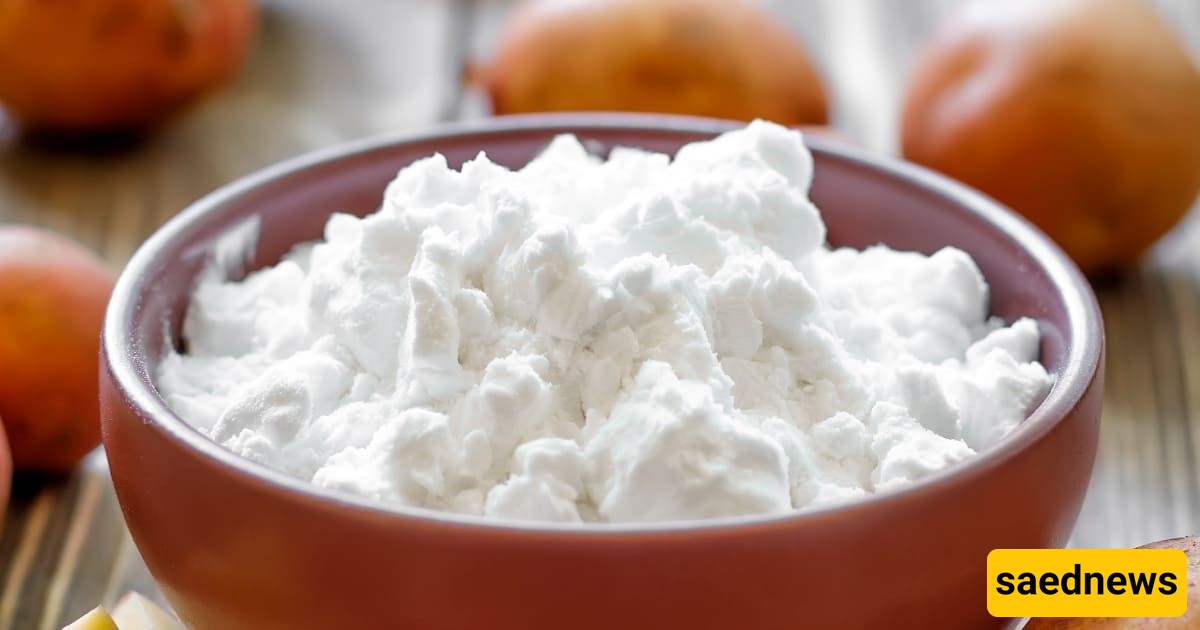
Although starch can be an important part of a healthy diet, excessive consumption or choosing highly refined starches may have disadvantages.
Some claims have raised concerns about high starch consumption during pregnancy, particularly during the first trimester, and possible effects on fetal development. However, these claims should not be interpreted as evidence that normal dietary starch is unsafe during pregnancy. Pregnant women should avoid excessive intake of highly processed foods and discuss any unusual dietary practices or supplements with their healthcare provider.
Starch found in white flour, white rice, and many highly processed breads is rapidly digested and can cause blood glucose levels to rise quickly. Regularly consuming large amounts of these foods may contribute to an increased risk of type 2 diabetes, obesity, and metabolic syndrome. Choosing whole grains and higher-fiber carbohydrate sources such as oats, brown rice, and legumes can be a healthier alternative.
Consuming large amounts of resistant starch, particularly when the digestive system is not accustomed to it, may cause bloating, intestinal gas, or abdominal discomfort. Increasing intake gradually can give the digestive system time to adapt.
Traditional medicine sometimes suggests that excessive starch consumption, because of its relatively low nutrient density and slow digestion, may reduce appetite and sexual desire. These effects have not been established by modern medical research. As with most foods, moderation and a balanced diet are recommended.