SAEDNEWS: Many children invent imaginative stories that may seem unrealistic or exaggerated to adults. Understanding why children create fictional narratives can help parents support emotional, cognitive, and social development while encouraging imagination in positive ways.

According to SAEDNEWS, children often create imaginary stories because their minds are naturally creative and curious. During early childhood, the line between fantasy and reality is still developing, making it normal for children to mix real experiences with imagined events. Story-making allows them to experiment with ideas, express emotions, and explore situations they may not fully understand in everyday life.
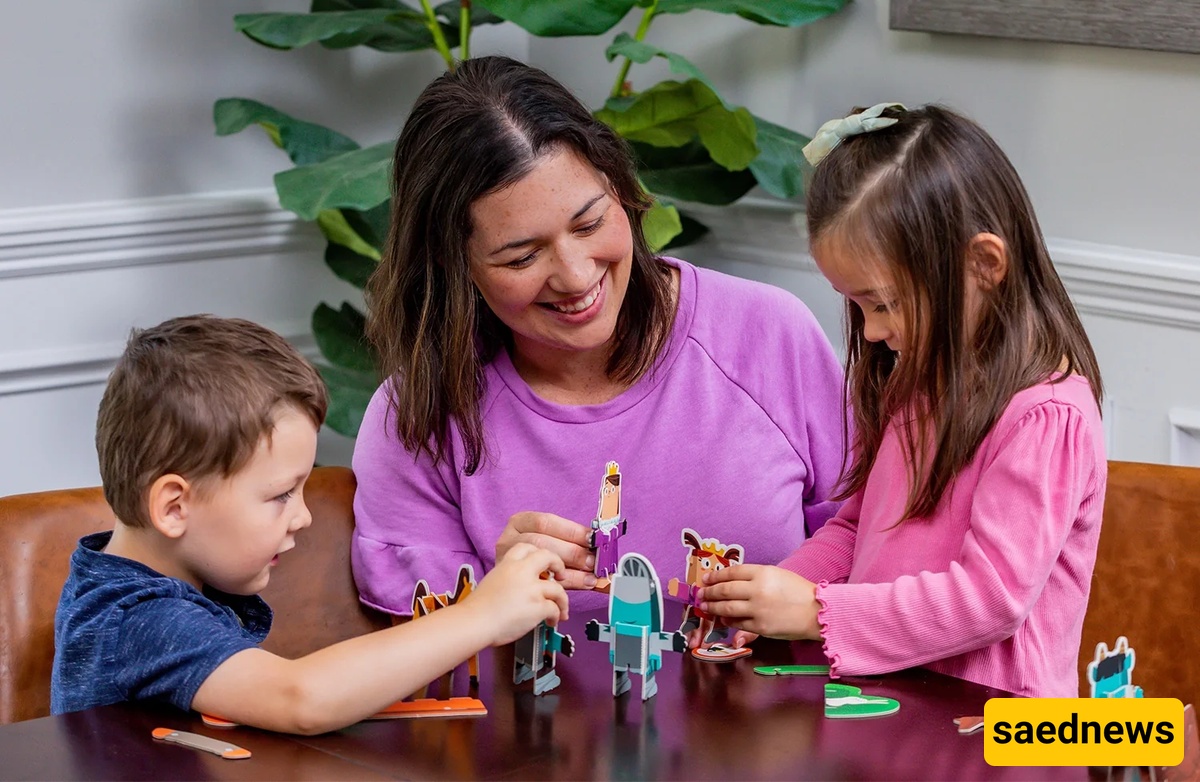
Imaginative storytelling plays an important role in cognitive growth. When children invent characters, adventures, or magical worlds, they practice language skills, memory, and logical thinking while strengthening creativity. These activities also improve problem-solving abilities as children imagine different outcomes and solutions within their stories. Creative play encourages flexible thinking, which is valuable throughout life.
Most fictional storytelling is a normal part of childhood and should be encouraged through books, pretend play, drawing, and open conversations. Parents can gently help children distinguish between fantasy and reality without criticizing their creativity. However, if a child consistently creates stories to hide mistakes, avoid responsibility, or cope with emotional distress, it may be helpful to explore the underlying reasons with patience and understanding. In most cases, imagination is a powerful tool that supports confidence, emotional expression, and healthy mental development.