SAEDNEWS: Vomiting After Feeding in Infants: When It’s Normal and When It Signals a Serious Problem
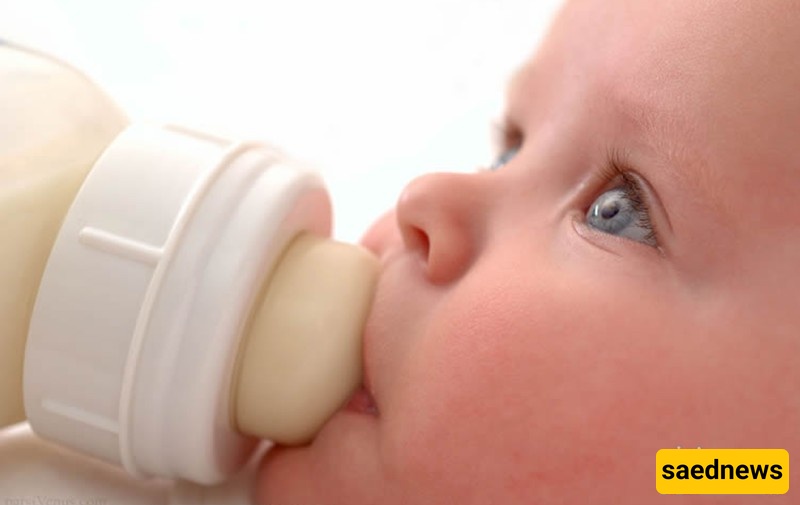
According to Saednews, New mothers who have recently given birth and are breastfeeding their newborns know that nothing is as enjoyable as holding and feeding a baby. However, inexperienced mothers often lack sufficient knowledge about normal and abnormal infant behaviors and may not be fully aware of how to care for their babies properly.
One of the most common issues among infants is vomiting after feeding. Some parents panic immediately and rush to a doctor, while others assume it is completely normal. So which is correct? Is this condition a disease or a natural process? To better understand this issue, we refer to insights from Dr. Parisa Zighami, a pediatric and neonatal specialist.
The main cause of vomiting in infants is related to the esophagus. At the junction between the esophagus and the stomach, there is a valve called the sphincter. In newborns, unlike adults, this valve is very loose and does not fully close after feeding. As a result, milk can flow back from the stomach into the esophagus and even the throat.
This condition is completely normal and is known as physiological reflux in infants. Spitting up usually peaks around 4 months of age and typically resolves by 12 months, although in some cases it may continue up to 24 months. If it persists beyond this period, further medical evaluation is necessary.
Infant vomiting is most commonly caused by overfeeding. Many parents who seek medical help for this issue tend to feed their babies whenever they cry, which can unintentionally lead to overeating habits.
While it is generally recommended to feed a baby whenever they are hungry, in cases of frequent vomiting, spacing feedings by about 2.5 to 3 hours can help control the problem.
If the baby is growing and gaining weight normally, it usually indicates that they are receiving enough milk and there is no need for medication or tests.
Sometimes, a mother’s diet can cause allergies or prolonged reflux in the baby. For example, when a mother consumes dairy products, traces may pass into breast milk and trigger a reaction in sensitive infants.
Dairy does not need to be completely eliminated but may be temporarily reduced or replaced. In more severe cases, or if blood appears in the baby’s stool, hypoallergenic formula may be recommended under medical supervision.
Generally, breastfeeding mothers are advised to avoid heavy, gas-producing, or irritating foods.
Avoid developing a habit of overfeeding your baby, as it may lead to obesity later on. Forcing children to eat can also cause harm, especially after one year of age, when personality and independence begin to form. This can negatively affect the child’s psychological development and may lead to stubborn behavior.
One common cause of persistent reflux is food allergies. Removing the allergen or replacing it with a suitable alternative can help control vomiting.
For example, if a baby is allergic to cow’s milk protein, an alternative formula may be used under medical guidance.
Sometimes chronic coughing is misdiagnosed despite repeated doctor visits, when in fact the cause may be infant reflux. Treating the underlying reflux can resolve the coughing. Conditions like asthma or sinus-related issues can also contribute to reflux symptoms.
The way a baby is positioned after feeding can help prevent vomiting. While most parents place babies on their backs—which is important for preventing sudden infant death syndrome—there are safer alternatives after feeding.
When the baby is awake and supervised, placing them on their stomach (prone position) or on their left side with a thin pillow under the head can help reduce reflux by keeping the head slightly elevated.

Normal infant reflux does not involve weight loss or loss of appetite. The baby usually spits up milk in a curdled form.
In pathological reflux, vomiting is frequent, occurs multiple times a day, and is not curdled. It may also be accompanied by symptoms such as wheezing, shortness of breath, poor weight gain, or persistent coughing.
Babies swallow a significant amount of air while feeding, which can cause bloating and increase reflux. To reduce this:
After feeding, hold the baby upright with their head on your shoulder and gently pat their back to help release trapped air. This may result in slight spit-up, so placing a cloth on your shoulder is recommended.
Try to burp the baby 2–3 times within about 20 minutes after feeding. Avoid laying them flat immediately after feeding; instead, keep them upright or in a prone position under supervision until burping occurs.