SAEDNEWS: Tomato paste is a basic ingredient found in almost every kitchen. While many brands offer commercial versions today, homemade tomato paste remains especially popular due to its natural taste and quality.
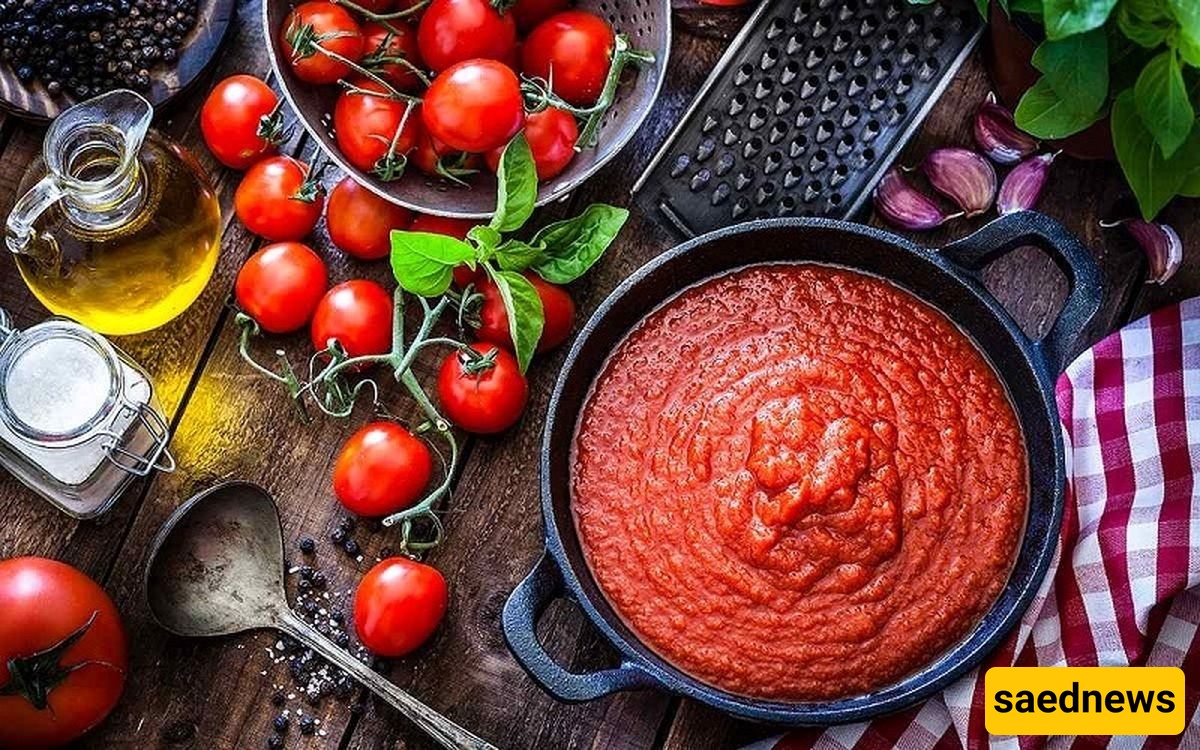
According to Saednews, Tomato paste is a thick, red condiment widely used to enhance the color and flavor of various dishes. It is an essential item in every kitchen refrigerator. Although many commercial brands are available today, homemade tomato paste remains highly popular due to its healthier preparation and richer taste.
Homemade tomato paste is produced without artificial colors or preservatives and under more hygienic conditions. While the process is time-consuming, it requires simple and accessible ingredients. One common challenge people face is preventing the paste from turning dark instead of a bright red color.
Below are 7 golden tips to help you achieve a deeper, brighter red tomato paste.
The pot you use significantly affects the final color of the paste. Avoid using non-stick or copper pots, as they may cause discoloration.
The best options are cast iron or zinc-coated pots. If using cast iron, ensure it does not have a non-stick coating.
Cooking time is crucial for achieving a vibrant red color. Once the paste reaches the desired thickness, remove it from heat.
Overcooking causes the paste to darken or turn black. At the same time, it should not remain too watery, as excess moisture can lead to spoilage and mold growth.
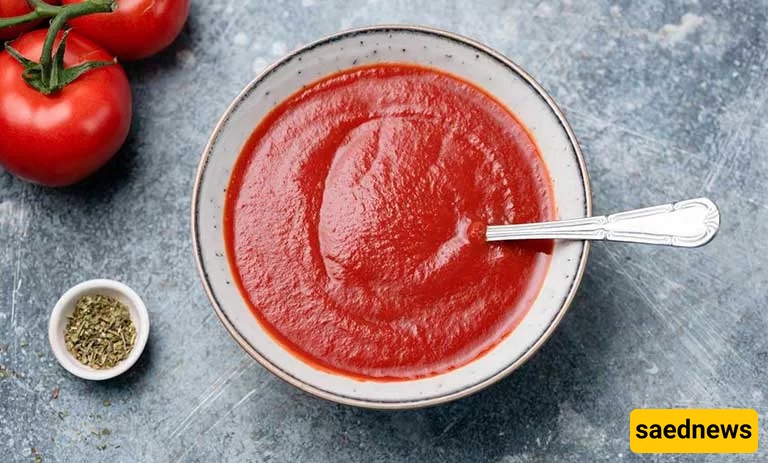
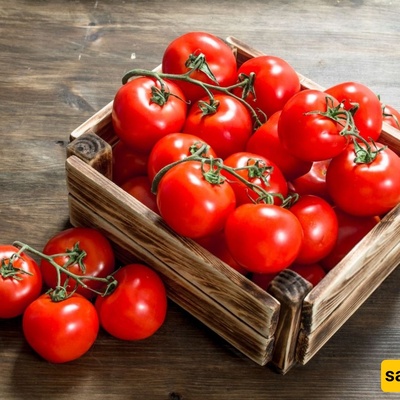
Ripe, high-quality tomatoes play a major role in the final color and taste. Unripe or green tomatoes will not produce a bright red paste.
The best tomatoes are soft, fleshy, thin-skinned, and low in seeds. Field-grown tomatoes are often more flavorful, juicier, and ideal for making paste.
Adding a small quantity of cooking oil can help improve the color and texture of the paste.
For a large pot, about one tablespoon of oil is sufficient. Add it during the middle of the cooking process. Excess oil should be avoided as it can reduce quality.
During boiling, bubbles may form and splash paste onto the sides of the pot. These splashes can burn quickly and darken the final product.
It is important to regularly scrape off any burnt residue from the sides of the pot to prevent it from mixing back into the paste.
Proper storage is essential for maintaining color, taste, and shelf life. Avoid plastic or metal containers.
Glass jars with tight lids are the best choice. Containers must be clean, dry, and airtight. After opening, store the paste in the refrigerator.
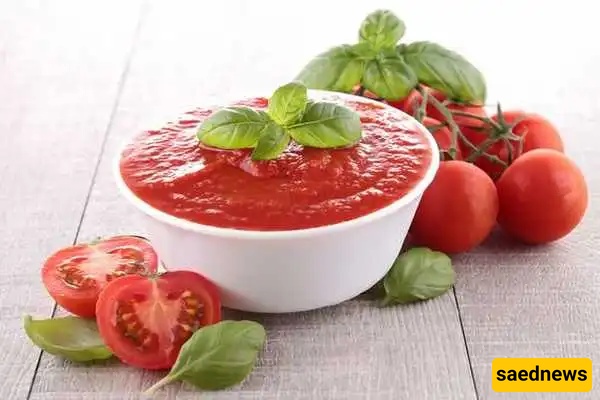
Excess moisture is one of the main reasons for dark-colored paste, as it increases cooking time.
Before cooking, cut the tomatoes and partially dry them using sunlight, an oven, or a pan. This helps reduce water content and improves color quality.
If properly prepared and stored in suitable containers, homemade tomato paste can last 6–7 months. For longer storage, it can be frozen.
No. If mold appears, the paste should be discarded completely. Mold contamination spreads beyond visible areas and cannot be removed by reheating, making it unsafe for consumption.